
Managing glucose levels has become a pretty common goal, especially as more people are dealing with blood sugar issues. Whether you’re looking to keep your body running smoothly, handle a diagnosis like type 2 diabetes, or just make smarter food choices, knowing which foods can help bring your glucose numbers down makes a real difference. I’m here to share what I’ve learned about why it pays to lower glucose, the best strategies for doing so, and which foods support stable blood sugar every day.
Why Do We Need to Reduce Glucose Levels?
Blood glucose, also called blood sugar, provides the main energy for the body’s cells. It comes from the food we eat, mostly carbohydrates. But when glucose levels stay high for too long, it sets the stage for a lot of health issues. I’ve watched friends and family deal with these effects, so I know how important it is to keep these numbers in check.
High glucose stresses many parts of the body. Over time, it can damage blood vessels, nerves, kidneys, and eyes. This can lead to big problems like type 2 diabetes, heart disease, vision troubles, and even nerve pain or numbness. Even without a diabetes diagnosis, keeping blood sugar stable helps you feel more energetic, wards off mood swings, and means fewer energy crashes during busy days.
For anyone with prediabetes or diabetes, getting those glucose numbers down is a daily mission. But healthy eating isn’t just for them—since so many of us eat more sugar or processed carbs than we realize, finding out how to keep your blood sugar in a safe range pays off for everyone’s long-term health.
How Do We Reduce Glucose Levels?
Lowering blood sugar takes more than cutting out sweet stuff. It’s about forming habits that help your body use energy better and avoid quick spikes and crashes. Here’s what’s worked for me and plenty of others:
- Balanced Meals: Pair carbs with protein and healthy fat. This slows the release of glucose into the blood and keeps energy steady after eating.
- Picking Low Glycemic Index Foods: Foods that have a low GI raise blood sugar more slowly for smoother energy throughout the day.
- Watch Portion Sizes: Eating the right amount, even of healthy foods, keeps blood sugar under better control.
- Exercise Regularly: Activities like walking, biking, or yoga help your body’s cells use glucose more efficiently. Even short strolls matter.
- Stay Hydrated: Water helps the kidneys flush excess glucose via urine, aiding natural regulation.
- Manage Stress: Stress hormones can bump glucose levels. Deep breathing, meditation, or simply chilling out for ten minutes does wonders.
- Snack Smart: Reach for nutrient-rich snacks rather than sugary or ultra-processed ones to avoid sudden glucose surges.
Some may need medication or close medical care, especially if an underlying health issue exists. But nearly everyone can use good nutrition to give a boost to daily blood sugar management.
Foods to Eat to Reduce Glucose Levels
Your daily food picks are a powerful tool for managing blood sugar. I’m not suggesting boring options—there’s plenty of flavor and variety in foods that help stabilize glucose. Here’s what I try to include in my own meals and snacks, plus why they work:
Non-starchy Vegetables
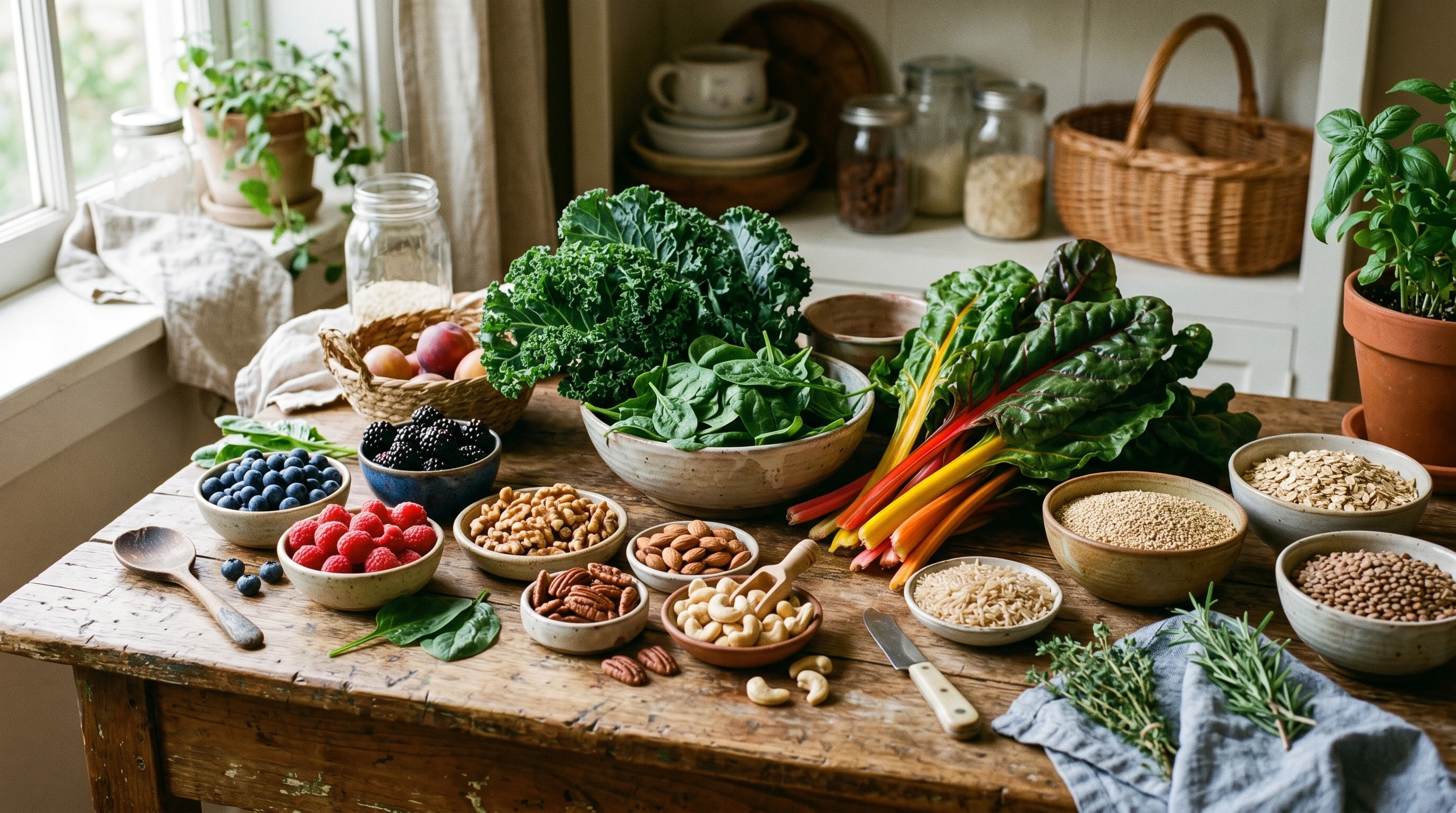
Veggies like broccoli, spinach, kale, cauliflower, peppers, and cucumbers are loaded with vitamins, minerals, and fiber. They have few carbs, so they won’t spike blood sugar. Filling half my plate with these keeps me satisfied without making my glucose shoot up.
Whole Grains
Whole grains such as quinoa, brown rice, barley, and steelcut oats have fiber and nutrients that slow digestion. This means steadier blood sugar. Swapping white bread or pasta for wholegrain versions gives your body better fuel overall.
Legumes
Beans, lentils, and chickpeas offer lots of fiber and protein, both slowing down digestion and glucose release. I use them in soups, stews, salads, or turn them into homemade veggie patties. They’re easy on the wallet, filling, and work in tons of recipes.
Berries and Lower Sugar Fruits
While all fruit has some sugar, berries like strawberries, blueberries, raspberries, and blackberries raise glucose less dramatically. Apples, pears, and citrus are other smart choices. I like to mix berries into yogurt or toss them in salads for color and taste.
Healthy Fats
Avocados, olives, nuts, seeds, and fatty fish like salmon give your plate healthy fats without raising blood sugar. These foods satisfy hunger and help your body absorb vitamins. I sprinkle chia seeds or toss a few avocado slices on toast to add filling power and keep things interesting.
Lean and Plant Based Proteins
Poultry, fish, tofu, eggs, and tempeh add protein that helps keep blood sugar from spiking quickly. I enjoy grilled chicken or baked fish with a hearty vegetable side, or blend eggs and veggies for a quick, tasty meal.
Fermented Foods
Sauerkraut, kimchi, yogurt with live cultures, and kefir help your gut stay healthy. Some studies hint that a strong microbiome might support better glucose control. These foods also add zing and interest to any spread.
Spices and Herbs
Cinnamon, turmeric, ginger, and garlic get attention for their possible blood sugar benefits. While not a magic bullet, using them in recipes turns up the flavor and supports a glucose-friendly eating style.
Superfoods Worth Checking Out
- Chia Seeds: High in fiber, these seeds soak up liquid, filling you up and slowing glucose’s rise after meals.
- Flaxseeds: Ground flax offers fiber and heart-healthy fats. It’s easy to stir into oatmeal, yogurt, or smoothies.
- Apple Cider Vinegar: Some small studies suggest that apple cider vinegar at meals can help limit glucose surges. It’s worth chatting with your healthcare provider about before using regularly.
Foods and Drinks to Limit (or Skip)
Some foods are much more likely to send your glucose soaring. Here are a few to keep to occasional treats, especially if lowering blood sugar is your goal:
- Sugar sweetened beverages, including sodas, sweet iced tea, energy drinks, and lots of coffee shop concoctions.
- Refined grains, like white bread, white rice, and pastries.
- Sweets and desserts, particularly without fiber to slow down absorption.
- Highly processed snack foods like crackers, chips, and sugary granola bars.
- Full sugar fruit juices or smoothies made with lots of high sugar fruit.
Swapping soft drinks for water or sparkling water, or trading pastries for a piece of fruit or small handful of nuts, makes a surprising difference in blood sugar patterns. Treating these foods as once-in-a-while splurges rather than daily staples is really helpful for control.
Tips for Building a Blood Sugar-Friendly Plate
I’ve found that putting together a balanced plate makes keeping an eye on glucose easier day to day. Here’s the formula I use at meals:
- Use half your plate for nonstarchy vegetables.
- Include a good-sized serving of lean or plant protein.
- If you want, add a smaller portion of whole grains or starchy veggies—but stick to one or the other.
- Finish with healthy fats, such as olive oil, nuts, or avocado for flavor and satisfaction.
This eating style keeps you full, feeds your body steady energy, and helps steer glucose where you want. Plus, it keeps food colorful and exciting.
Common Questions About Foods That Lower Glucose
Question: Are all carbs bad for blood sugar?
Answer: Not at all! Carbs fuel your body. The key is to choose better carbs—whole grains, beans, vegetables, and certain fruits—rather than processed ones. Pairing them with protein and fat helps keep blood sugar steadier.
Question: Can I use fruit to satisfy my sweet tooth?
Answer: Definitely! Lower sugar fruits like berries and apples do a great job. Keep portion sizes in check, and pair fruit with protein, like yogurt or nuts, to keep glucose stable.
Question: What about plant-based diets? Are they helpful for lowering glucose?
Answer: Loads of research supports plant-based diets. Filling up on veggies, legumes, whole grains, and healthy fats can help keep blood sugar even, as long as you keep tabs on carb type and serving size. Vegan and vegetarian diets can be a smart choice for those interested in this eating style.
Question: How fast will changes in diet lower my glucose?
Answer: Everyone’s body does its own thing, but you might notice changes fast, especially after you start cutting out processed foods and refined sugars and adding more whole foods. If you’re taking medication, talk to your provider about any dietary switches so changes happen safely.
Real-Life Eating Strategies for Lower Glucose
Knowing what to eat is only half the battle. Here are some real-world tricks I use to keep meals blood sugar-friendly:
- Prepping fresh veggies in advance makes it easy to toss together salads or quick stir fries.
- Batch cooking beans, lentils, and whole grains like brown rice is a time saver. Freeze small amounts to grab when needed.
- Stocking up on healthy snacks—sliced veggies, nuts, plain yogurt—helps me skip processed, sugary treats.
- Reading nutrition labels for added sugars, hidden refined grains, and sneaky carbs helps spot surprises.
- When eating out, look for meals with lots of veggies, grilled protein, and whole ingredients.
One or two mindful choices per meal really add up. It’s about progress, not perfection.
Things to Think About Before Starting a Low-Glucose Diet
Even though these foods and habits usually help drop glucose, there’s a bit to consider first:
- Existing Health Conditions: If you’re on medication or manage diabetes or another condition, check in with your healthcare provider before making big food changes. Blood sugar can drop quicker than you expect.
- No “One Size Fits All” Solution: Food affects everyone differently. Tracking your own responses to meals using a food log (or a continuous glucose monitor if you have one) helps you tweak your personal plan.
- Consistency Rules: The real magic comes from routine habits that fit your lifestyle and taste. Pick changes that work for you long-term so they actually stick.
Good research and guidance help inform your decisions. Start with small, lasting tweaks—extreme changes aren’t the answer. A little support from a buddy or online group keeps you motivated and on track.
Beyond Food: Other Lifestyle Habits That Support Lower Glucose
While food’s a main player, movement, sleep, and stress matter too. Here’s what’s proven helpful for me and others:
- Daily movement—anything from walking and cycling to swimming or yoga—keeps blood sugar on a more even keel.
- Sleeping on a schedule helps prevent stress hormones from causing nighttime blood sugar jumps.
- Simple ways to manage stress, like mindfulness, meditation, or making time for hobbies, help balance glucose.
Mixing healthy eating with good sleep, regular movement, and stress management makes it much easier to keep your glucose right where you want it—setting you up to feel your best every day.