



Introduction
Have you noticed that losing weight becomes more difficult as you get older?
Many women find that the weight they could easily lose in their twenties and thirties becomes much harder to shed after reaching their forties, fifties, and beyond. Clothes feel tighter, energy levels seem lower, and the number on the weighing scale refuses to budge despite your best efforts.
If this sounds familiar, you are not alone.
Weight gain during midlife is one of the most common concerns among women worldwide. The combination of hormonal changes, a slower metabolism, reduced muscle mass, stress, and a busy lifestyle can create the perfect environment for unwanted weight gain.
The good news is that healthy and sustainable weight loss is still achievable at any age. You do not need dangerous crash diets, starvation plans, or miracle pills. Instead, a balanced approach that focuses on nutritious foods, regular exercise, and healthy habits can help you reach your goals while improving your overall well-being.
In this article, we will explore why weight gain happens as women age, how the Paleo Diet may help, and practical strategies to lose weight naturally and safely.
Why Weight Loss Becomes More Difficult After 40
Many mature women become frustrated because they continue eating the same way they did when they were younger, yet they still gain weight.
Several factors contribute to this challenge.
1. Slower Metabolism
As we age, our metabolic rate naturally declines. This means the body burns fewer calories at rest than it did during our younger years.
Even if your eating habits remain unchanged, your body may require fewer calories than before.
2. Loss of Muscle Mass
After the age of 30, muscle mass gradually declines unless actively maintained through exercise.
Since muscle burns more calories than fat, losing muscle can slow metabolism further and make weight gain easier.
3. Hormonal Changes
For women approaching menopause or already experiencing menopause, declining estrogen levels can affect body composition.
Many women notice increased fat accumulation around the abdomen, even if their overall weight remains relatively stable.
4. Lifestyle Factors
Modern life often involves:
- Long hours sitting
- Increased stress
- Poor sleep
- Less physical activity
These factors can influence appetite, energy levels, and fat storage.

Why Crash Diets Often Fail
When women become desperate to lose weight quickly, crash diets can seem attractive.
Unfortunately, these diets often create more problems than solutions.
Crash diets may:
- Cause nutrient deficiencies
- Slow metabolism further
- Lead to muscle loss
- Trigger binge eating
- Produce only temporary results
Many people regain the lost weight shortly after returning to normal eating patterns.
Successful weight loss is not about losing the maximum amount of weight in the shortest time. It is about creating habits that can be maintained for years.
Understanding the Paleo Diet
One dietary approach that has attracted considerable attention is the Paleo Diet.
The word “Paleo” comes from the Paleolithic era, a period before modern agriculture and food processing became widespread.
The Paleo Diet encourages eating foods that humans have consumed for thousands of years.
Typical Paleo foods include:
- Lean meats
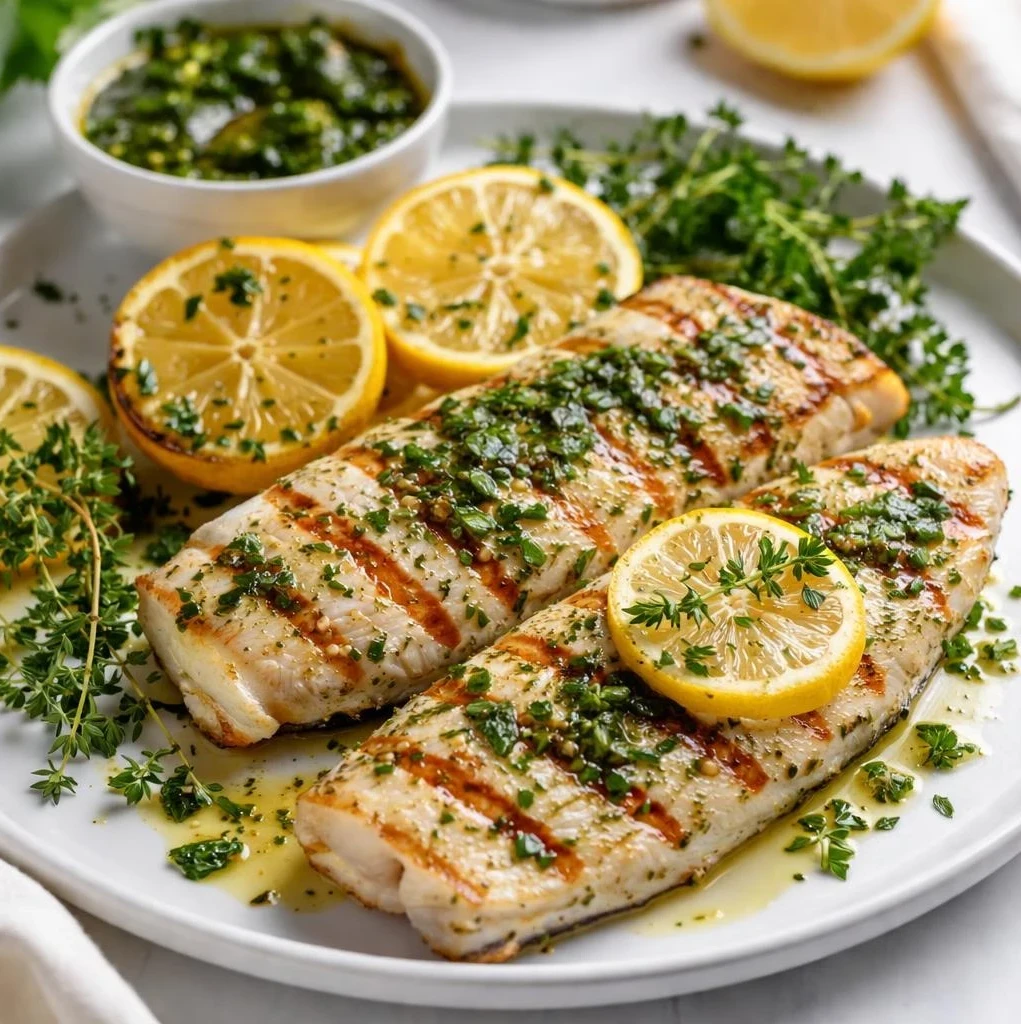
- Fish
- Eggs
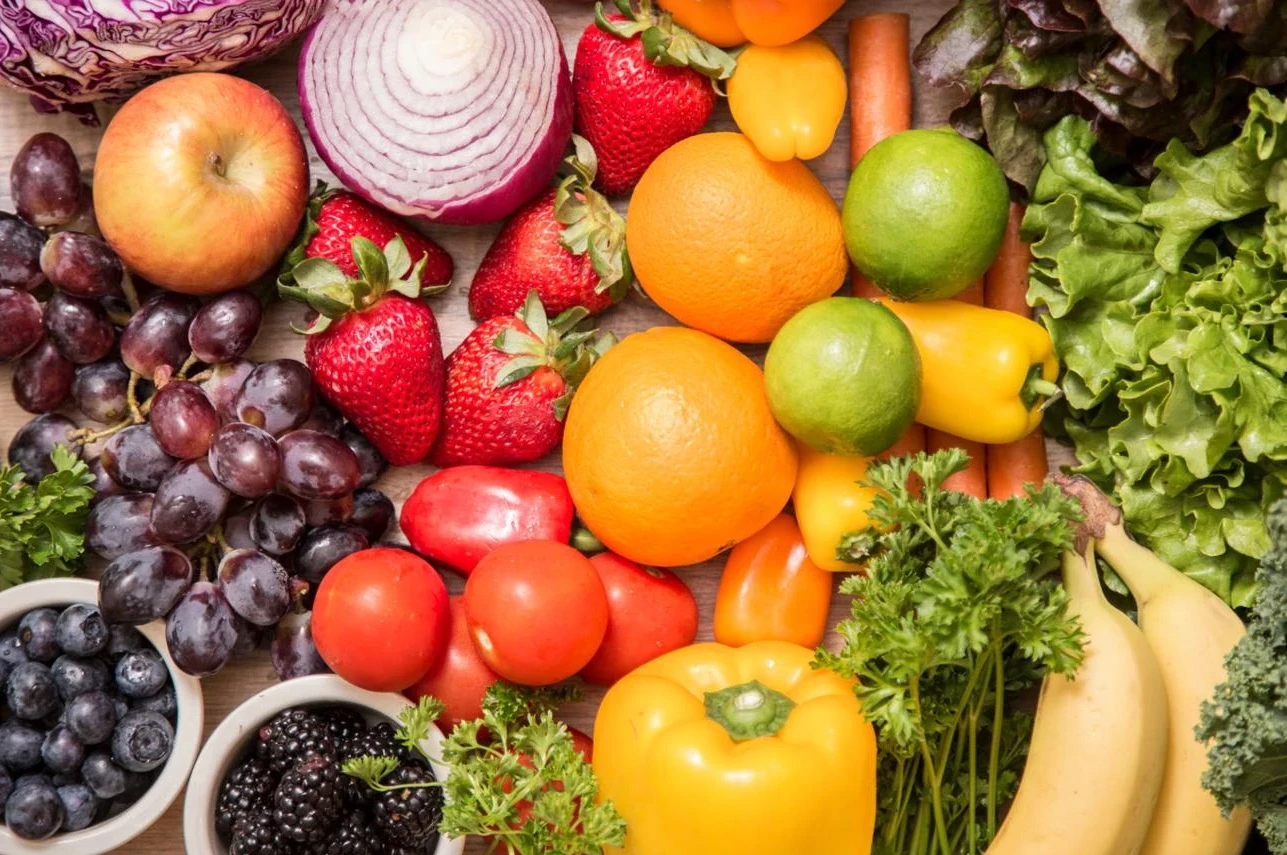
- Vegetables
- Fruits
- Nuts
- Seeds
- Healthy fats
Foods usually limited or avoided include:
- Highly processed foods
- Refined sugar
- Sugary beverages
- Artificial additives
- Excessively processed snacks
The emphasis is on whole, natural foods that provide nutrients in their most natural form.
How the Paleo Diet May Support Weight Loss
Increased Satiety
One major benefit of Paleo-style eating is that many of the foods are naturally filling.
Protein-rich foods can help reduce hunger and increase satisfaction after meals.
When you feel full longer, you are less likely to snack unnecessarily.
Reduced Processed Foods
Processed foods are often high in calories while providing relatively little nutrition.
By replacing processed foods with whole foods, many people naturally reduce calorie intake without feeling deprived.
Better Blood Sugar Stability
Meals containing protein, healthy fats, and fiber-rich vegetables may help maintain more stable blood sugar levels.
Stable blood sugar can reduce energy crashes and food cravings.
Improved Food Awareness
The Paleo approach encourages people to think carefully about what they eat rather than consuming food mindlessly.
This increased awareness often leads to healthier choices.
A Typical Day on a Paleo-Inspired Meal Plan
Breakfast
- Vegetable omelet with spinach and mushrooms
- Fresh berries
- Herbal tea
Mid-Morning Snack
- Handful of almonds
- Apple
Lunch
- Grilled fish
- Mixed salad
- Olive oil dressing
Afternoon Snack
- Carrot sticks
- Cucumber slices
Dinner
- Lean chicken breast
- Steamed vegetables
- Sweet potato
Evening
- Herbal tea
- Small portion of fruit if desired
This type of meal plan focuses on nutrient-dense foods while minimizing highly processed products.


The Importance of Exercise for Mature Women
Diet alone is rarely enough.
Physical activity plays a crucial role in maintaining health and supporting weight loss.
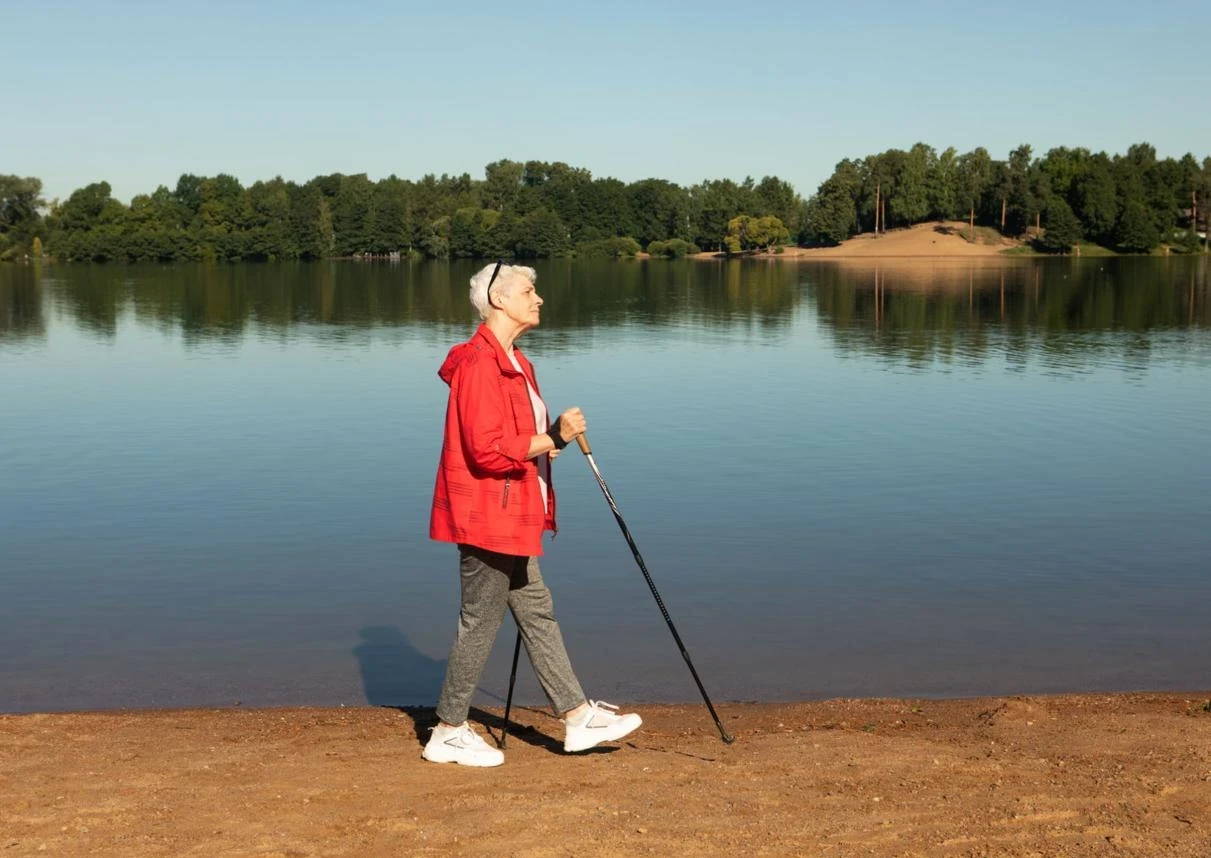
Walking
Walking remains one of the safest and most effective exercises.
Benefits include:
- Improved heart health
- Better circulation
- Increased calorie expenditure
- Reduced stress
Aim for at least 30 minutes daily.
Strength Training
Many women avoid strength training because they fear becoming bulky.
In reality, strength training helps:
- Preserve muscle mass
- Strengthen bones
- Improve metabolism
- Support healthy aging
Even light resistance training can make a significant difference.
Yoga and Pilates
Yoga and Pilates can improve:
- Flexibility
- Balance
- Core strength
- Stress management
These exercises are particularly beneficial for mature adults.
Swimming
Swimming is excellent because it provides a full-body workout while being gentle on the joints.
The Connection Between Sleep and Weight Loss
Many people underestimate the importance of sleep.
Poor sleep may:
- Increase hunger hormones
- Reduce energy levels
- Encourage unhealthy food choices
- Slow recovery from exercise
Aim for 7 to 9 hours of quality sleep each night.
Creating a consistent bedtime routine can help improve sleep quality.
Managing Stress for Better Weight Control
Stress affects weight more than many people realize.
Chronic stress can increase cortisol levels, which may encourage fat storage, especially around the abdomen.
Effective stress-management techniques include:
- Meditation
- Deep breathing exercises
- Prayer
- Yoga
- Walking in nature
- Reading
- Spending time with family and friends
Managing stress can make healthy eating much easier.
Common Weight Loss Mistakes Mature Women Make
Skipping Meals
Skipping meals often leads to overeating later in the day.
Eating Too Little
Extremely low-calorie diets may slow metabolism and reduce energy.
Ignoring Strength Training
Many women focus solely on cardio and neglect muscle-building activities.
Expecting Instant Results
Healthy weight loss typically occurs gradually.
Losing 0.5 to 1 kilogram per week is often considered realistic and sustainable.
Comparing Yourself to Others
Every person’s body responds differently.
Focus on your own progress rather than comparing yourself with friends or social media influencers.
Simple Healthy Habits That Make a Big Difference
You do not need to change everything overnight.
Start with small improvements:
- Drink more water
- Eat more vegetables
- Walk daily
- Sleep earlier
- Reduce sugary drinks
- Prepare meals at home
- Practice portion control
Small changes performed consistently often produce impressive results over time.
Can Mature Women Still Lose Weight Successfully?
Absolutely.
Age does not prevent weight loss.
Many women successfully lose weight in their 50s, 60s, and even 70s.
The key is consistency.
Rather than chasing quick fixes, focus on sustainable habits that support your long-term health.
Remember that weight loss is not only about appearance.
Benefits may include:
- Better mobility
- Improved energy
- Lower blood pressure
- Better blood sugar control
- Improved confidence
- Enhanced quality of life
Even modest weight loss can produce meaningful health improvements.
Final Thoughts
Losing weight after 40 or 50 may require more patience than it did in your younger years, but it is certainly possible.
The Paleo Diet offers one approach that encourages whole, natural foods while reducing heavily processed products. Combined with regular exercise, quality sleep, stress management, and healthy daily habits, it may help support gradual and sustainable weight loss.
Remember that there is no perfect diet for everyone. The best eating plan is one that provides adequate nutrition, supports your health goals, and can be maintained for the long term.
Instead of focusing solely on the number on the scale, focus on becoming healthier, stronger, and more energetic.
Your future self will thank you for every healthy choice you make today.
Have You Tried the Paleo Diet?
Have you experienced success with the Paleo Diet or another healthy eating plan? Share your experiences in the comments below. Your story could inspire and encourage other women who are beginning their own weight-loss journey.