
Dealing with pre-diabetes is challenging, but you don’t need to switch up your entire fitness routine overnight. Making simple, smart changes can help you keep blood sugar levels under control and give your everyday energy a boost. Exercise is a powerful, research-backed method for keeping pre-diabetes in check, and there are plenty of ways to stay active without feeling overwhelmed. I’ll break down the types of exercise that make the most sense if you’re managing pre-diabetes, plus lay out practical, approachable tips to get moving with less stress.
Why Exercise Matters When You Have Prediabetes
Exercise is about more than burning calories. It lets your body use insulin more efficiently, dropping your blood sugar in a natural way. When your muscles are working, they pull sugar from the blood, helping keep glucose stable. According to the American Diabetes Association, at least 150 minutes of moderate physical activity per week is ideal for people with prediabetes. The best part? You don’t have to do all those minutes at once to make a difference.
If you’re new to movement or getting back after some time off, any motion helps. Finding consistency is what really matters. If you enjoy what you’re doing, it’s way easier to keep it up. Even small daily efforts can give your blood sugar and overall well-being a major boost.
Core Types of Exercise for Prediabetes
Prediabetes responds well if you mix together a few forms of movement. Changing your workouts can help prevent boredom and lower your risk for overuse injuries or joint pain. Here are the main types to mix in, with real-life examples:
- Aerobic Exercise: Also called cardio, this covers activities that keep your heart rate up for a while. Walking, swimming, cycling, and dancing are all great.
- Resistance Training: This form helps you build muscle — think lifting weights, using resistance bands, or doing moves like pushups, squats, or lunges that only use your bodyweight.
- Flexibility and Balance: Regular stretching, yoga, or basic balance activities make daily life simpler and reduce risk of falls.
- Short Activity Bursts: Mini movement sessions add up quickly and are awesome for those with packed schedules. Spread brisk walks or short stretches throughout the day.
How Aerobic Exercise Supports Prediabetes
Cardio activities are trending for a reason: they’re accessible, effective, and proven to benefit your heart and blood sugar. Working at a moderate intensity—enough to keep a conversation but too tough for singing—helps your body tap into more glucose for fuel. Getting going with brisk walks, stair climbing, cycling at a leisurely pace, or dancing in your living room all count.
Aim for 30 minutes a day, five days a week. Not ready for that yet? Break it into smaller routines of 10 or 15 minutes, or just focus on moving more after your meals. Many people find even a quick stroll after eating makes a difference with blood sugar. I’ve enjoyed adding in a ten-minute walk after dinner, and it genuinely improves both mood and blood sugar trends.
Adding a little extra movement every day makes each week’s total add up and can help keep you motivated by making goals feel manageable. If you can, try to use a pedometer, step counter, or an app to track your progress, since small wins help reinforce new routines.
Strength Training and Why It’s Really Important
Building muscle helps your body use glucose more effectively because muscle cells need more energy even at rest. You don’t need to become a professional lifter to see the benefits; using resistance bands or lighter weights is enough. Moves like squats, wall push-ups, or even standing lunges are good. Muscle mass also makes it easier to manage or lose body weight, which is often helpful for prediabetes.
Target two to three sessions per week with a resting day between. Start easy, with good form as your focus, before going for heavier weights or extra reps. If you need inspiration, there are beginner routines on YouTube and in many fitness apps. One fast circuit might include:
- Squats (10-15 reps)
- Wall push-ups (10-12 reps)
- Chair dips (8-10 reps)
Repeat for two to three rounds, taking short breaks in between.
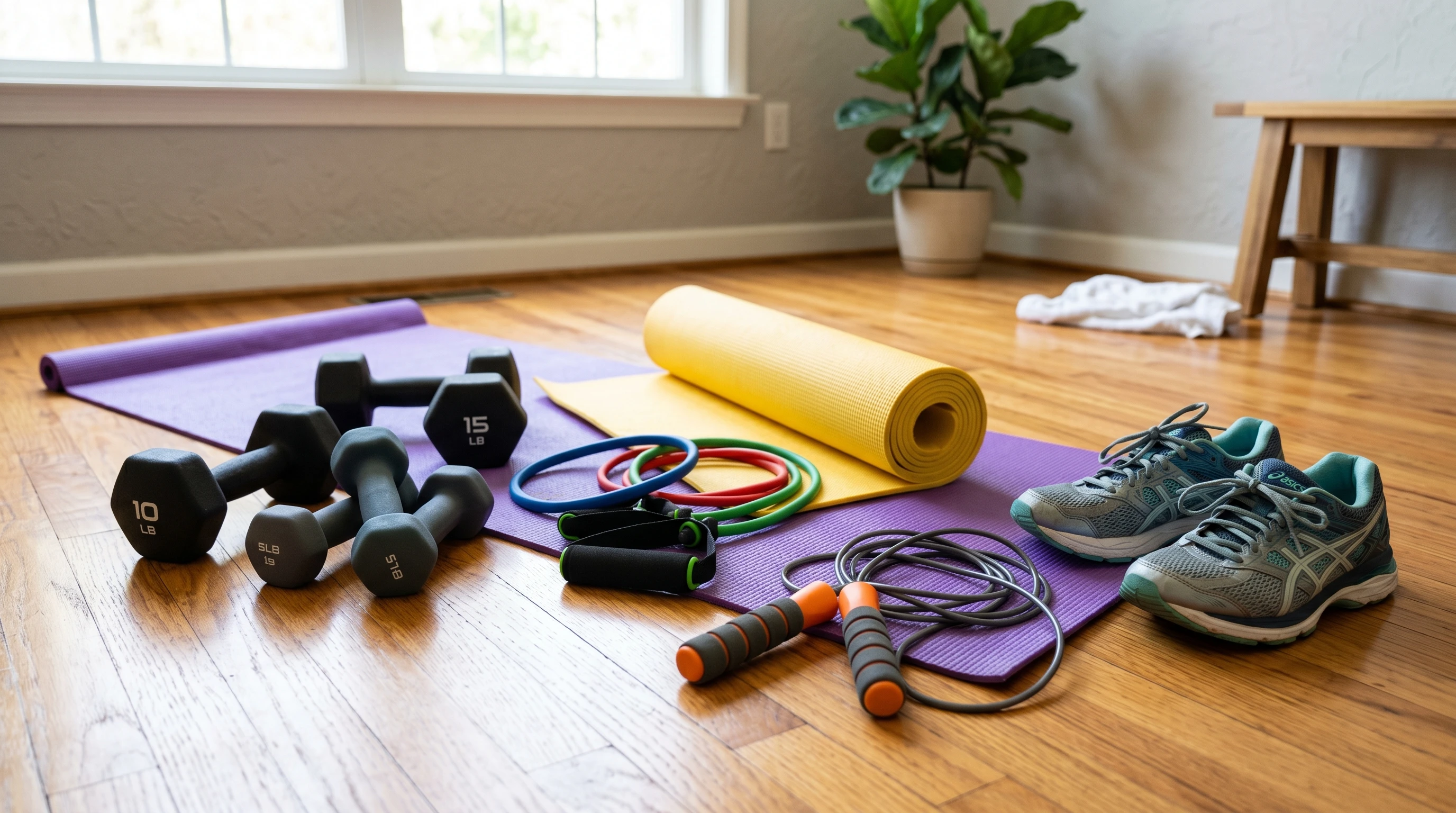
If you don’t have hand weights at home, resistance bands are inexpensive and perfect for keeping in a drawer, plus they’re gentle on your joints. Strength training doesn’t have to be long; even 10-20 minutes is excellent for building habits and results.
Flexibility and Balance: Easy Ways to Stay Limber
Flexibility and balance are key but often skipped over in traditional exercise routines. Stretching keeps movement comfortable day to day and lowers the odds of getting hurt. Yoga or gentle stretching is strategic since lowering stress can also help keep blood sugar levels in check. Some favorites for beginners are:
- Standing calf stretch against a wall
- Hamstring stretch while sitting
- Torso twists while seated
Balance work is especially helpful as you age or if you feel unsteady. Try standing on one leg when brushing your teeth, or walk heel-to-toe in a straight line. Classes like tai chi or online yoga videos can support better balance and coordination. Even just taking a few moments each day to do a couple of stretches pays off over time.
Short Bursts of Activity: Why They Work
If your day is packed or you aren’t keen on a long gym session, short indoor or outdoor movement bursts are very effective. Even 5-15 minute activities count. Research backs this up; short movement periods sprinkled through your day can help blunt blood sugar spikes after meals and improve how your body responds to insulin. Try taking the stairs, adding a handful of jumping jacks now and then, or getting up from your desk for a stretch every hour.
Find opportunities that fit naturally within your routine. Stand up and do a couple of squats during TV commercials, or walk while chatting on the phone. These micro-sessions add up and can sneak exercise into your day without requiring a big time commitment.
Tips to Get Started Safely
If it’s been a while since you exercised, it makes sense to check in with your healthcare provider. They’ll let you know if there’s anything to avoid or if you should ease into it in specific ways. Use these tips for a smoother (and safer) start:
- Go slow. You don’t need to jump straight to 150 minutes per week; start with 5 to 10 minutes most days and add time as your body gets comfortable.
- Stay hydrated by drinking water before, during, and after you’re active; dehydration can bump blood sugar up.
- Wear comfortable, supportive shoes and loose clothing so you can move freely.
- Pay attention to signals from your body. Stop if you feel dizzy, lightheaded, extremely tired, or short of breath. Let someone know if you have unusual chest pain, a racing heart, or breathing trouble.
- If you’re taking medicine that drops blood sugar, keep a small snack with you in case you need it after exercising.
Common Challenges and How to Handle Them
Starting and sticking with an exercise plan isn’t always easy. Life gets busy, joints get sore, and some days just feel heavy. Here’s how you can smooth the rough spots and keep momentum going:
- Time crunches: Focus on shorter movement sessions, or fit in movement during daily tasks—like calf raises while brushing your teeth, or a walk at lunch.
- Low energy days: Sometimes moving around boosts your energy; if you still feel drained, do gentle walks or stretches depending on how your body feels.
- Pain or joint stiffness: Swimming, water aerobics, or chair exercises are smart alternatives if regular movements are tough on your joints.
- Getting bored: Switch up activities regularly and consider inviting a friend along. Even changing your playlist or walking route can bring new energy.
Making Exercise Part of Your Routine
Building movement into your regular plans can help it stick. Here’s how to make those workouts happen week after week:
- Block off exercise time on your calendar, just like an appointment.
- Pick a steady window: early morning, during your lunch break, or after work—whatever lines up with your daily pattern best.
- Log your movement, whether in a journal, an app, or by ticking a reminder on your fridge. Tracking keeps you accountable and helps you notice progress.
- Join group classes, online challenges, or exercise communities. Socializing while working out keeps things fun and helps you stick with it when motivation dips.
Real-Life Examples of Movement for Prediabetes
Fitting more movement into everyday living doesn’t require a fancy gym or costly equipment. Here are example activity setups for varying ability and interest levels:
- Starting out: Go for a 15-minute walk in the morning, then do a 5-minute stretching session before bed. Twice a week, try simple resistance moves with resistance bands you can store away easily.
- Intermediate habit: Go for a 30-minute brisk walk most days, add a light dumbbell circuit twice a week, and do a weekend yoga video to add variety.
- Seated or limited mobility: Try chair yoga (lots of options available online), light stretches, and use hand weights to get your upper body moving.
- Busy days: Add a five-minute mini walk following each meal, do squats while food is heating up, or set a step target on your phone or fitness device.
Factors to Think About When Starting to Exercise With Prediabetes
When prediabetes isn’t the only thing on your plate, movement may require a little creativity and patience. Common things to keep in mind include:
- Blood sugar swings: Exercise sometimes temporarily drops blood sugar, especially if you use specific medications. In the first couple weeks, check before and after new routines. This can help you spot patterns or avoid dips.
- Injury risk: If your feet are sensitive or you’re new to movement, pay careful attention to shoe fit and how your joints feel. Adding small bits of activity and listening to your body can help prevent setbacks.
- Motivation and goal setting: Your movement goals don’t need to be major. Maybe you want more restful sleep, less stress, or simply better mood each day—these are all valid motivators.
- Safety and weather: When it’s too hot, icy, or dark outside, make use of indoor walking, free online workouts, or home exercise gadgets to keep moving safely.
Staying Motivated Over the Long Term
Everyone’s drive dips now and then. Setting small, doable goals provides mini wins that keep things on track. This could mean aiming for five extra minutes of movement each week, or just noticing how good you feel after seven days of walks. Try rewarding yourself—maybe new music, fun socks, or a relaxing soak post-exercise. Reach out to family, a friend, or a diabetes group if you need a push to keep going.
Frequently Asked Questions
Here are answers to a few questions that pop up most often for folks managing prediabetes and exercise:
Question: What’s the best type of exercise if I’m just starting?
Answer: Walking is an easy go-to since it’s gentle, adjustable, and free. Anything that’s genuinely fun—dancing, swimming, or simple exercise routines online—makes sticking with it less of a chore.
Question: How fast will I see results in my blood sugar?
Answer: Some improvements appear within a few weeks, but it depends on how much you’re moving and your other health conditions. The key: keep going, and check in regularly with your healthcare provider to see how your numbers are shifting.
Question: I have joint pain. What movement can I try?
Answer: Swimming, water workouts, chair movement routines, and gentle walking all offer exercise while being easy on sore spots. Yoga or steady stretching routines also help your joints stay flexible.
Question: What if I fall off track?
Answer: It happens! Start small when you come back—just 5-10 minutes or something you actually enjoy. Forget perfection; focus on getting back in the groove and feeling better bit by bit.
Exercise and Prediabetes: The Key Takeaway
Bringing movement into your life is a straightforward, proven way to keep prediabetes from turning into type 2 diabetes. Whether you love strolls, resistance bands, or yoga, enjoying what you do is most important for sticking with it. Mix up your activities based on your interests and mood. That keeps things fresh and sustainable.
Good habits take time. Starting small is just fine and often more doable. Every step towards movement makes a positive difference, so pull on those sneakers, roll out your mat, and start your next step today!