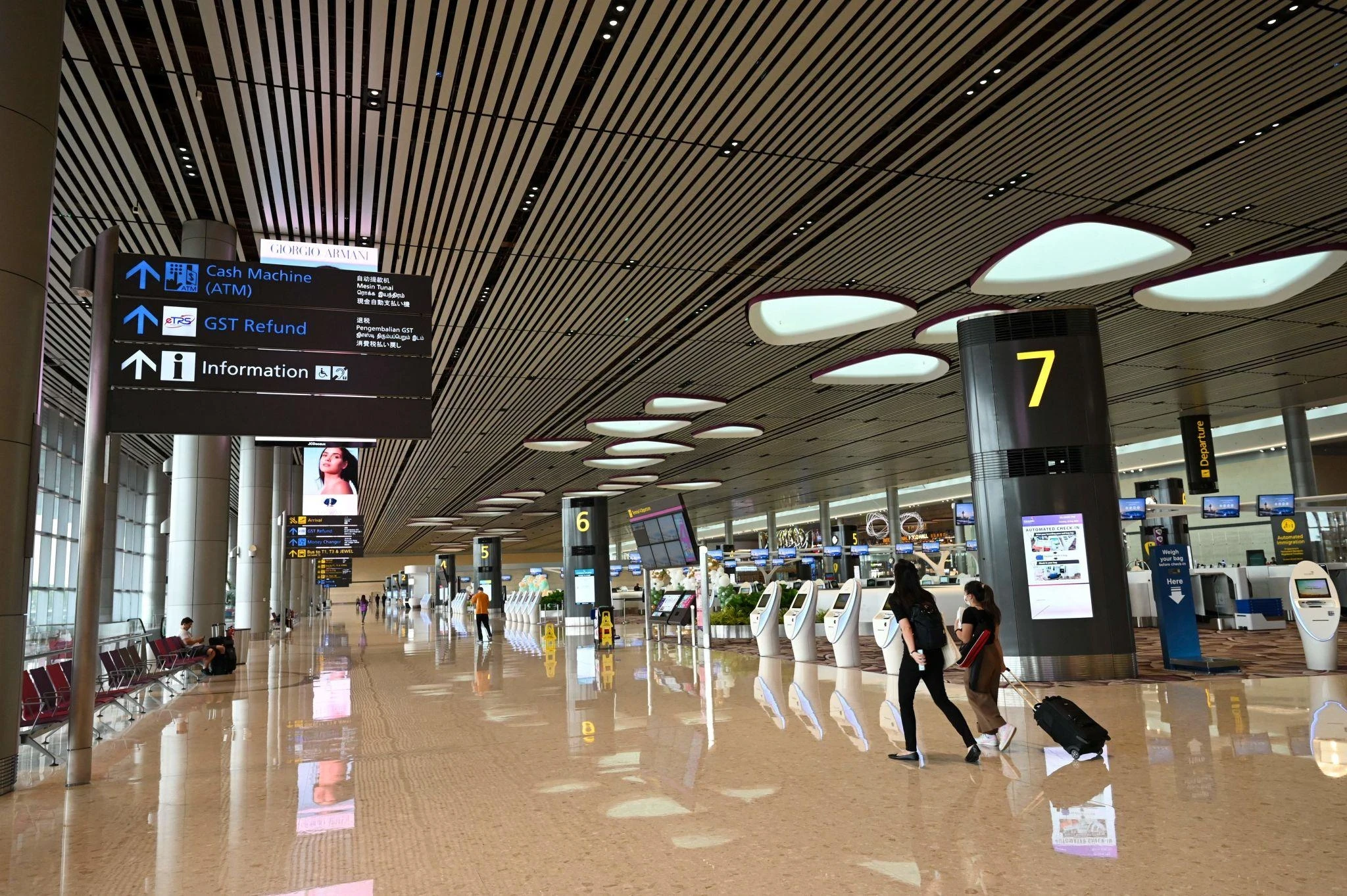
he COVID-19 pandemic did more than disrupt daily life—it exposed social issues that many of us had previously overlooked. One of the most widely discussed topics during the height of the pandemic was the situation faced by foreign workers in Singapore, particularly those living in large dormitories.
When infection rates surged among dormitory residents, many Singaporeans became aware of the challenges faced by thousands of migrant workers who contribute significantly to the nation’s economy. The pandemic prompted important conversations about living conditions, employment practices, and the treatment of these workers.
While social media was flooded with opinions and debates, it is worth taking a moment to understand the experiences of foreign workers from their perspective.
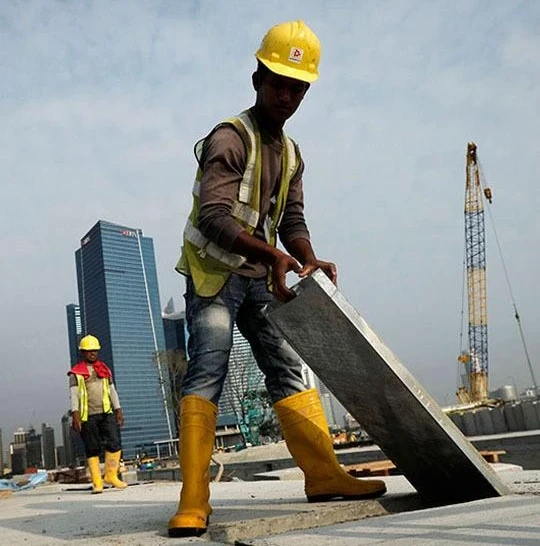
The People Behind Singapore’s Development
Many foreign workers come from countries such as Bangladesh, India, Nepal, Myanmar, Sri Lanka, and China. They leave behind their families and familiar surroundings in search of better economic opportunities.
Their goal is simple: to earn enough money to support their loved ones and provide a better future for their families.
For many of them, the decision to work overseas is not made lightly. It often involves significant financial commitments and personal sacrifices before they even set foot in Singapore.
The Cost of Chasing a Better Future
Before arriving in Singapore, many workers must pay recruitment fees to agents in their home countries. Some borrow money from relatives, friends, or money lenders to cover these expenses.
Recruitment agents often present Singapore as a land of opportunity where workers can earn salaries that are significantly higher than what they might receive back home.
With dreams of financial stability and a brighter future, many workers take the leap of faith.
However, the reality they encounter can sometimes be very different from what they expected.
Expectations Versus Reality
Many Singaporeans assume that foreign workers earn relatively good salaries because employers are generally required to provide accommodation and other forms of support.
In reality, experiences vary greatly depending on the employer, industry, and individual circumstances.
Some workers enjoy fair treatment and stable employment. Others may encounter challenges that significantly reduce their actual take-home income.
The gap between expectations and reality can be difficult for workers who have already accumulated debts before arriving.
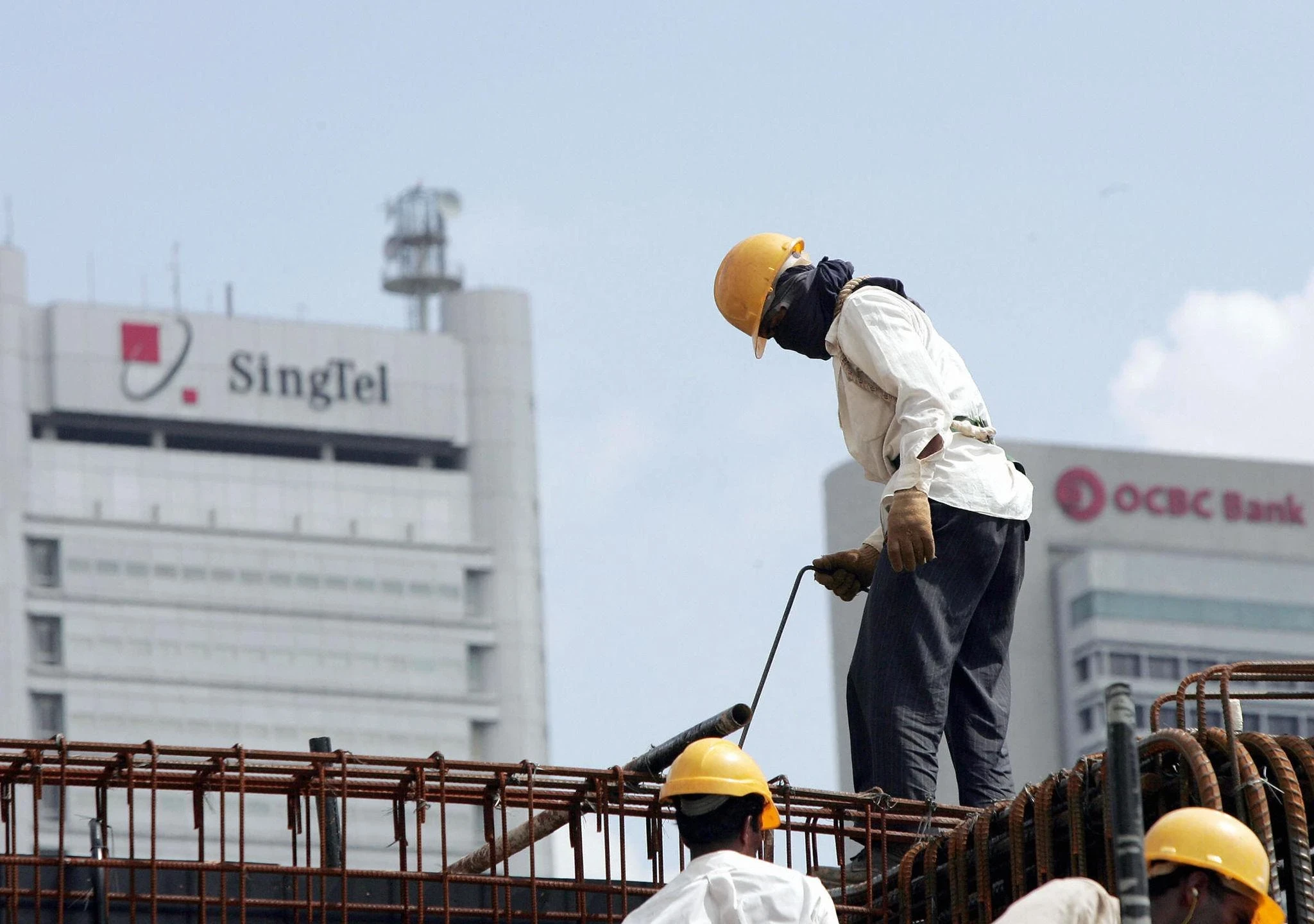
Employment Contracts and Salary Expectations
When foreign workers are recruited, employment contracts are typically submitted as part of the work pass application process.
These contracts outline salary terms, job responsibilities, and employment conditions.
Naturally, workers expect the salary stated in their contracts to be what they will receive after arriving in Singapore.
For someone coming from a developing country, even a modest salary by Singapore standards can represent a substantial improvement in living conditions for their family back home.
Unfortunately, disputes over salary expectations and deductions have occasionally been reported in various industries worldwide, highlighting the importance of transparency and compliance with employment regulations.
The Financial Burden of Initial Expenses
Upon arrival, workers may face various expenses before they begin earning a stable income.
These can include:
- Recruitment debts incurred before departure
- Medical examinations
- Administrative fees
- Transportation expenses
- Daily living costs until their first salary is received
Even when certain expenses are covered by employers, workers often find themselves under financial pressure during their first few months in Singapore.
As a result, it can take considerable time before they are able to start saving money or sending funds home.
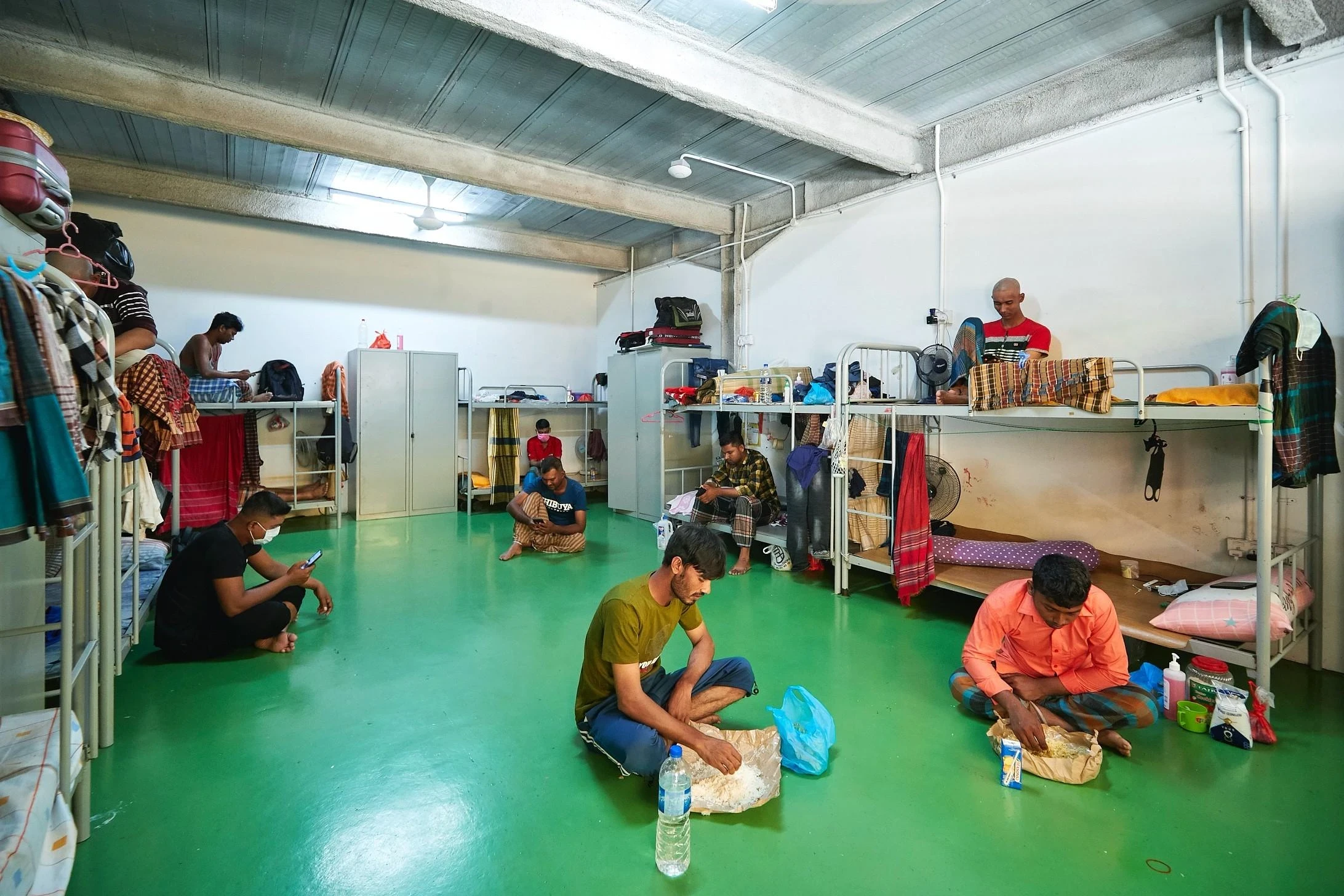
Living Arrangements and Dormitory Life
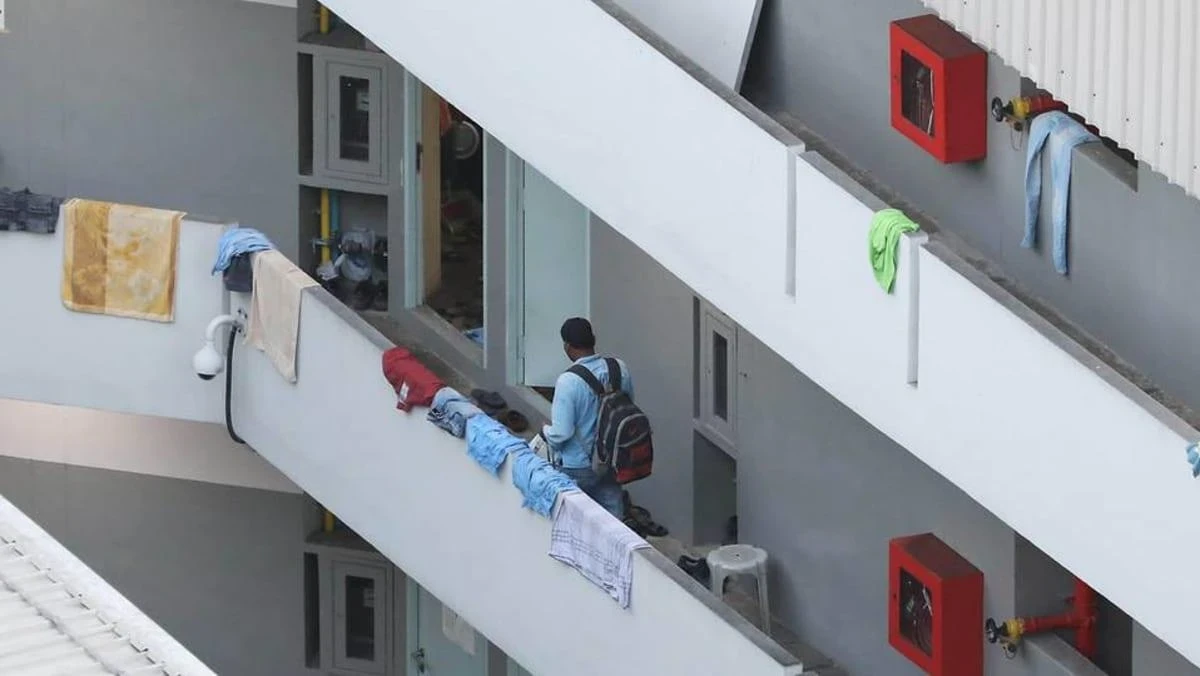
Many foreign workers live in purpose-built dormitories or other forms of shared accommodation.
Dormitory living allows workers from different countries and backgrounds to stay together while working in Singapore.
While significant improvements have been made over the years, the COVID-19 outbreak highlighted how densely populated living environments can increase vulnerability during public health crises.
The pandemic sparked discussions about housing standards, worker welfare, and the importance of providing safe and healthy living conditions.
Long Working Hours and Workplace Challenges
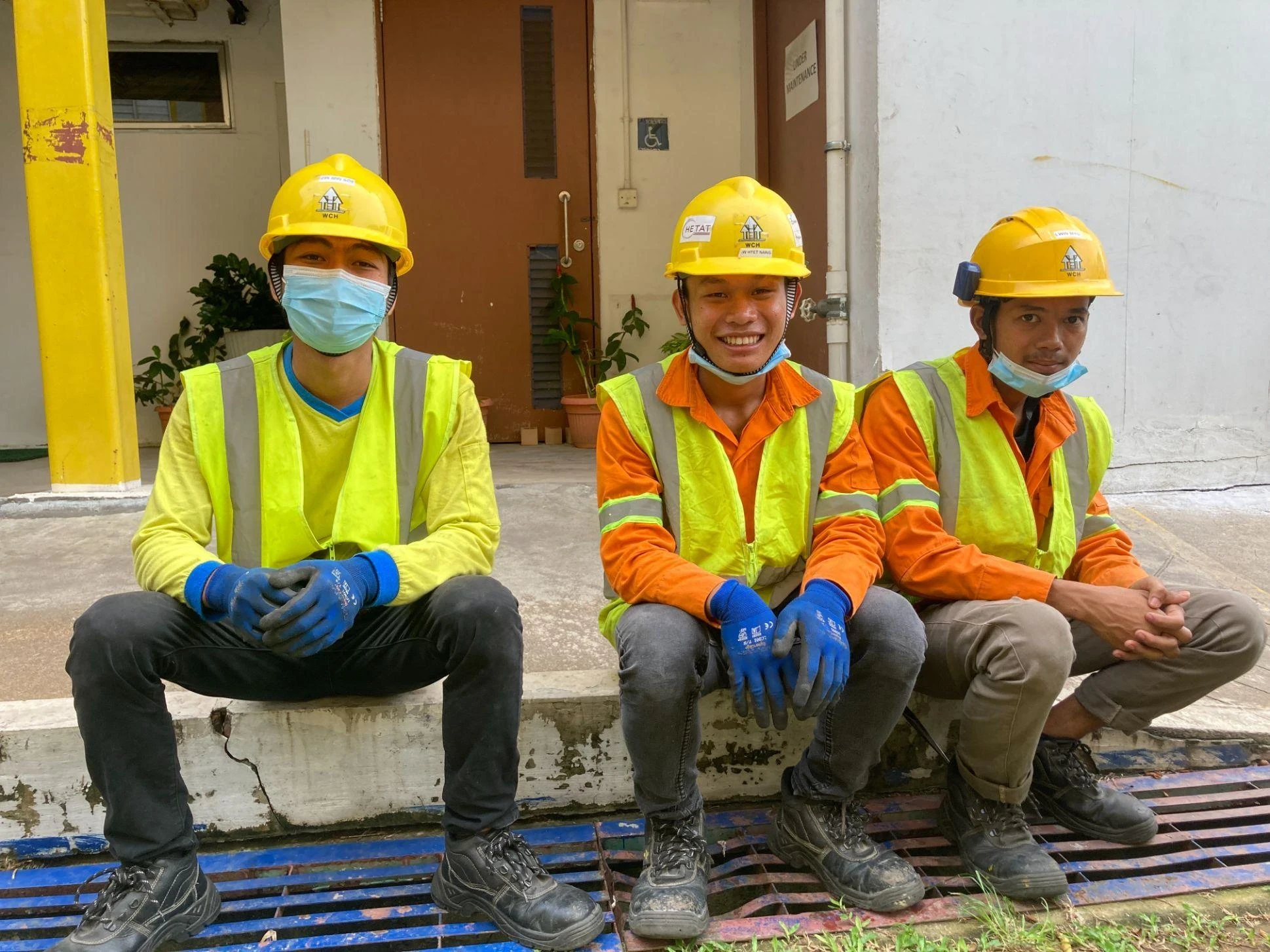
Construction, marine, manufacturing, and related industries often require physically demanding work.
Workers may spend long hours on construction sites, industrial facilities, or infrastructure projects that many Singaporeans rely upon daily.
These jobs can be challenging due to:
- Physically demanding conditions
- Exposure to heat and weather elements
- Long working hours
- Separation from family
- Language and cultural barriers
Despite these challenges, many workers continue to perform their duties diligently because they understand the importance of supporting their families.
The Human Side of the Story
Behind every work permit holder is a human story.
There is a father trying to pay for his children’s education.
There is a son supporting elderly parents.
There is a husband or wife working thousands of kilometers away from home to provide financial security for loved ones.
Their sacrifices often go unseen.
The buildings we work in, the roads we travel on, and many of the facilities we enjoy today have been built with the contributions of migrant workers.
Recognizing their efforts does not diminish anyone else’s contributions—it simply acknowledges the important role they play in Singapore’s development.
Lessons from the Pandemic
COVID-19 reminded us that society is interconnected.
The well-being of foreign workers affects the well-being of the wider community.
The pandemic also encouraged governments, employers, and society to re-examine issues such as:
- Worker welfare
- Housing standards
- Public health preparedness
- Employment practices
- Social inclusion
These conversations remain relevant today.
Looking Forward
For individuals considering overseas employment opportunities, it is important to conduct thorough research before making any decisions.
Potential workers should:
- Understand the terms of their employment contracts
- Verify information provided by recruitment agents
- Learn about their rights and responsibilities
- Develop skills and qualifications that improve employment opportunities
- Seek advice from reliable sources before committing financially
Knowledge remains one of the most valuable tools for making informed decisions.
Conclusion
Foreign workers have played an important role in Singapore’s growth and development for decades. While their experiences vary widely, their contributions deserve recognition and respect.
The COVID-19 pandemic brought greater awareness to the challenges many migrant workers face and highlighted the importance of empathy, fairness, and understanding.
By looking beyond statistics and headlines, we can better appreciate the individuals behind the workforce and the sacrifices they make in pursuit of a better future for themselves and their families.
What are your thoughts on the experiences of foreign workers in Singapore? Feel free to share your views and perspectives in the comments section below.
Stay safe, stay healthy, and let us continue building a society based on mutual respect and understanding.