

Introduction
Weight loss remains one of the most popular health goals worldwide, and every year new diet trends emerge promising faster and easier results.
One program that continues to attract attention is the Smoothie Diet. Advocates claim that replacing certain meals with nutrient-rich smoothies can help accelerate weight loss, boost energy levels, and improve overall health.
But does the Smoothie Diet actually work, or is it simply another short-lived dieting trend?
In this comprehensive review, we’ll explore how the Smoothie Diet works, its potential benefits, drawbacks, and whether it may be suitable for your personal weight-loss journey.
What Is the Smoothie Diet?
The Smoothie Diet is a structured weight-loss program that uses specially designed smoothies as meal replacements.
Unlike many fad diets that rely on severe calorie restriction or complicated meal plans, smoothie-based programs focus on consuming nutrient-dense drinks made from fruits, vegetables, healthy fats, and protein sources.
The concept is simple:
Replace one or two daily meals with carefully prepared smoothies while continuing to eat healthy, balanced meals for the remainder of the day.
The goal is to reduce overall calorie intake while still providing the body with essential nutrients.
Many people are attracted to smoothie diets because they are:
- Easy to prepare
- Convenient for busy lifestyles
- Packed with fruits and vegetables
- Customizable to personal preferences
- Simple to follow
Why Smoothie Diets Have Become So Popular
Modern lifestyles leave many people struggling to prepare healthy meals every day.
Fast food, processed snacks, and sugary beverages have become common dietary staples.
Smoothies offer a convenient alternative.
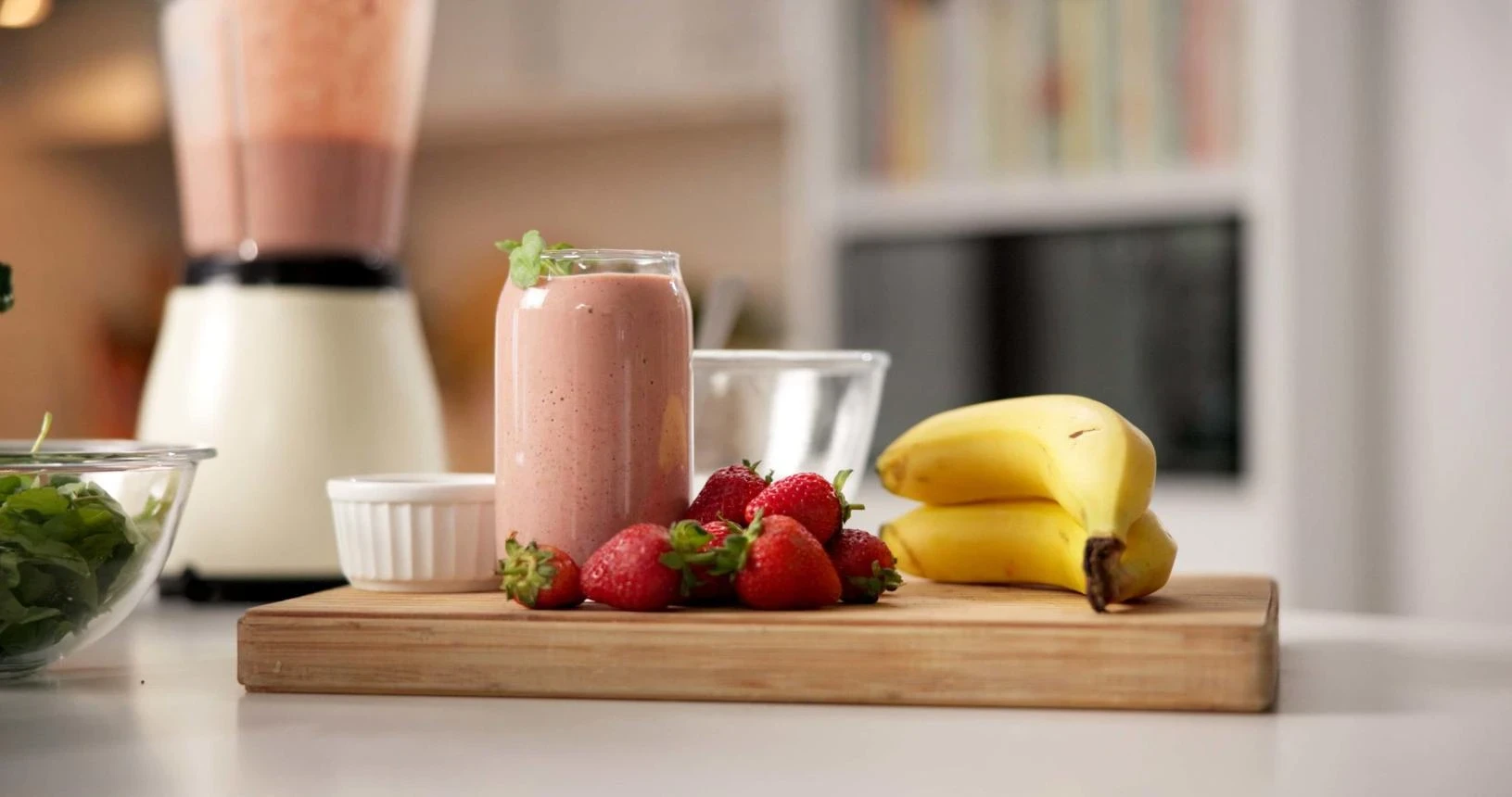
With a blender and a few fresh ingredients, you can create a nutrient-packed meal in just minutes.
For people who dislike cooking or have limited time, this convenience can make healthy eating much easier.
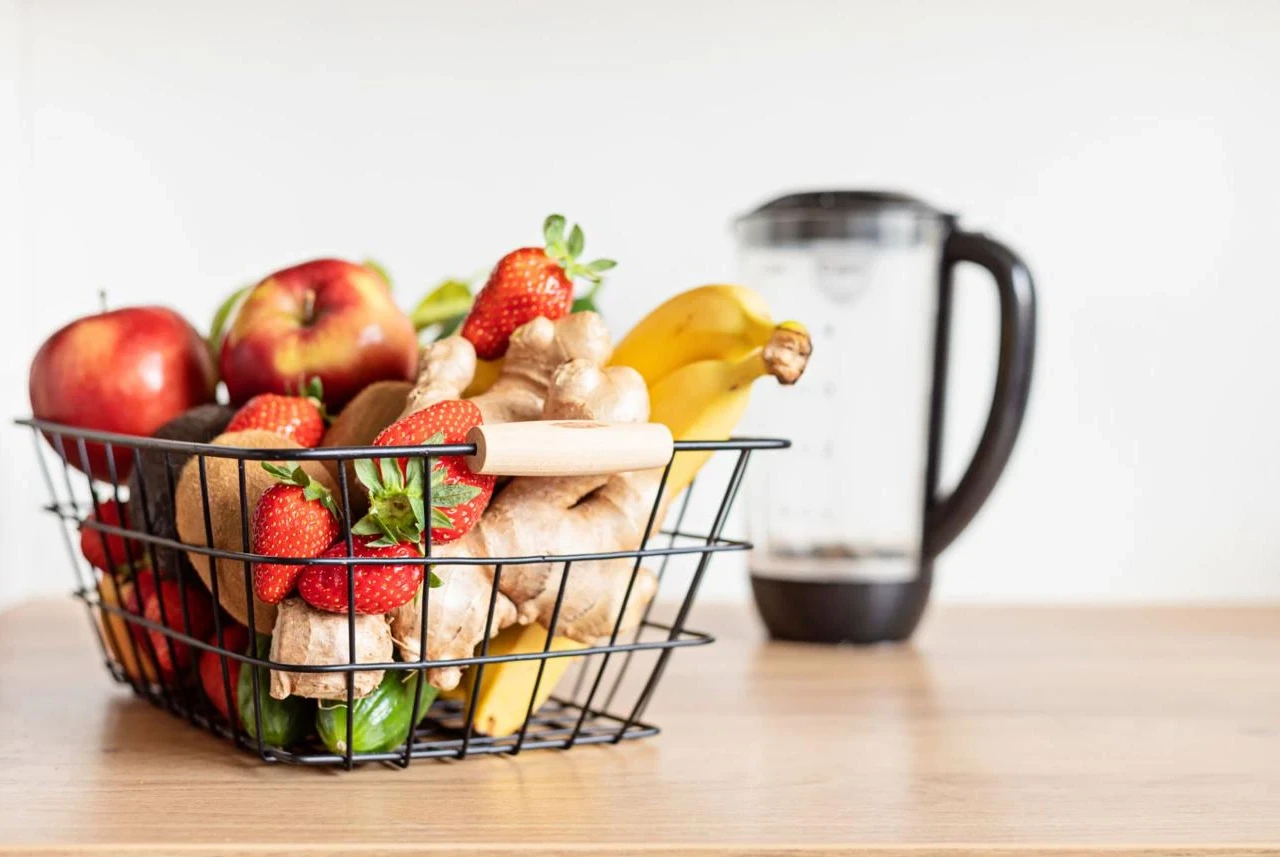
Additionally, smoothies can help increase consumption of fruits and vegetables, which many adults fail to eat in sufficient quantities.
How Smoothies May Support Weight Loss
The effectiveness of any weight-loss plan ultimately comes down to creating a sustainable calorie deficit while maintaining proper nutrition.
Smoothies can support this process in several ways.
1. Portion Control
Many people unknowingly consume excessive calories during traditional meals.
A properly prepared smoothie can provide a controlled amount of calories while still delivering important nutrients.
This can make it easier to manage overall calorie intake.
2. Increased Fruit and Vegetable Intake
Fruits and vegetables are naturally rich in:
- Vitamins
- Minerals
- Antioxidants
- Dietary fiber
These nutrients support overall health and may help improve satiety, making it easier to stick with a healthy eating plan.
3. Better Meal Consistency
Skipping meals often leads to overeating later in the day.
Smoothies provide a quick and convenient option that may help people maintain consistent eating habits.
4. Reduced Consumption of Processed Foods
Many smoothie-based programs encourage replacing high-calorie processed meals with nutrient-dense alternatives.
This alone can lead to significant improvements in dietary quality.
What Makes a Healthy Weight-Loss Smoothie?
Not all smoothies are created equal.
A healthy smoothie should contain a balance of nutrients that help keep you satisfied and energized.
Include Plenty of Vegetables
Vegetables add nutrients while keeping calories relatively low.
Good choices include:
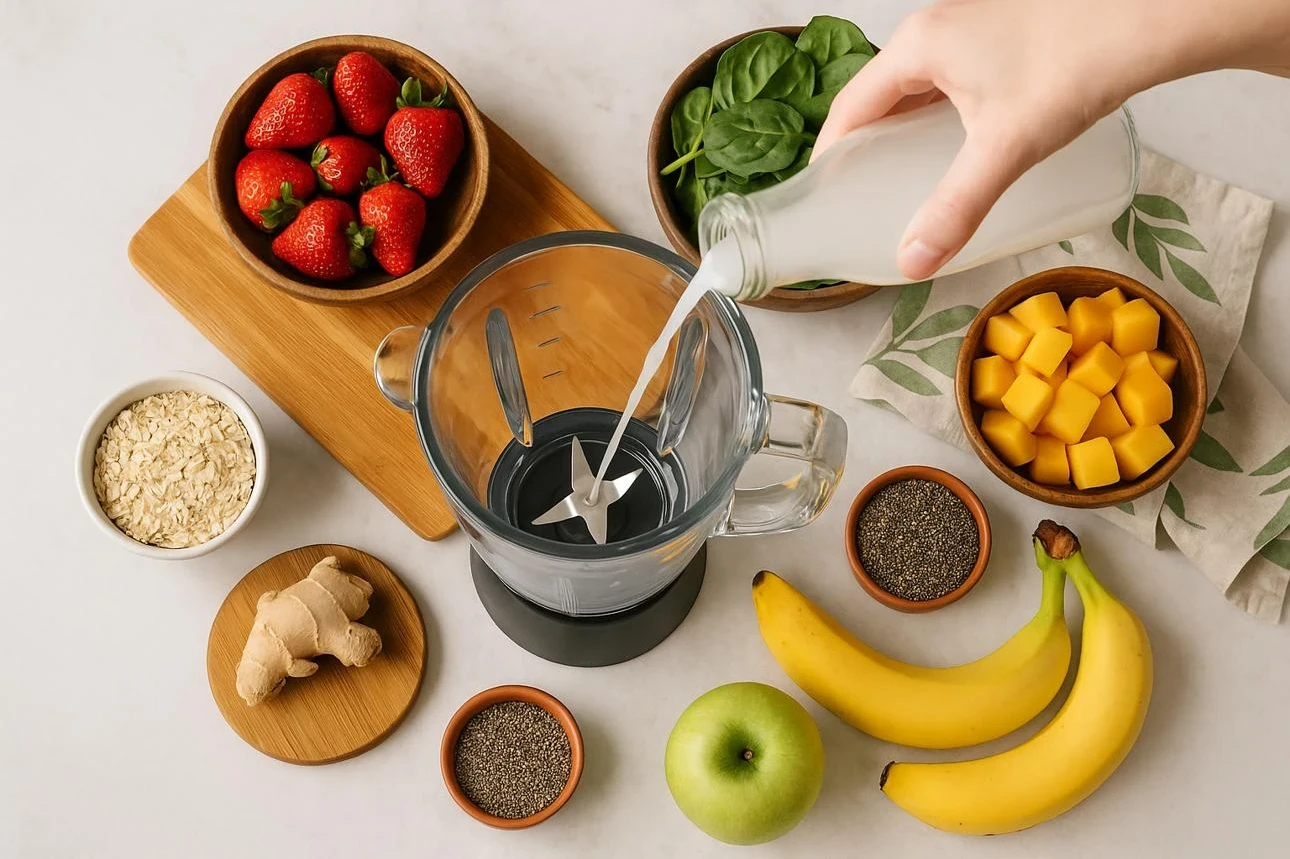
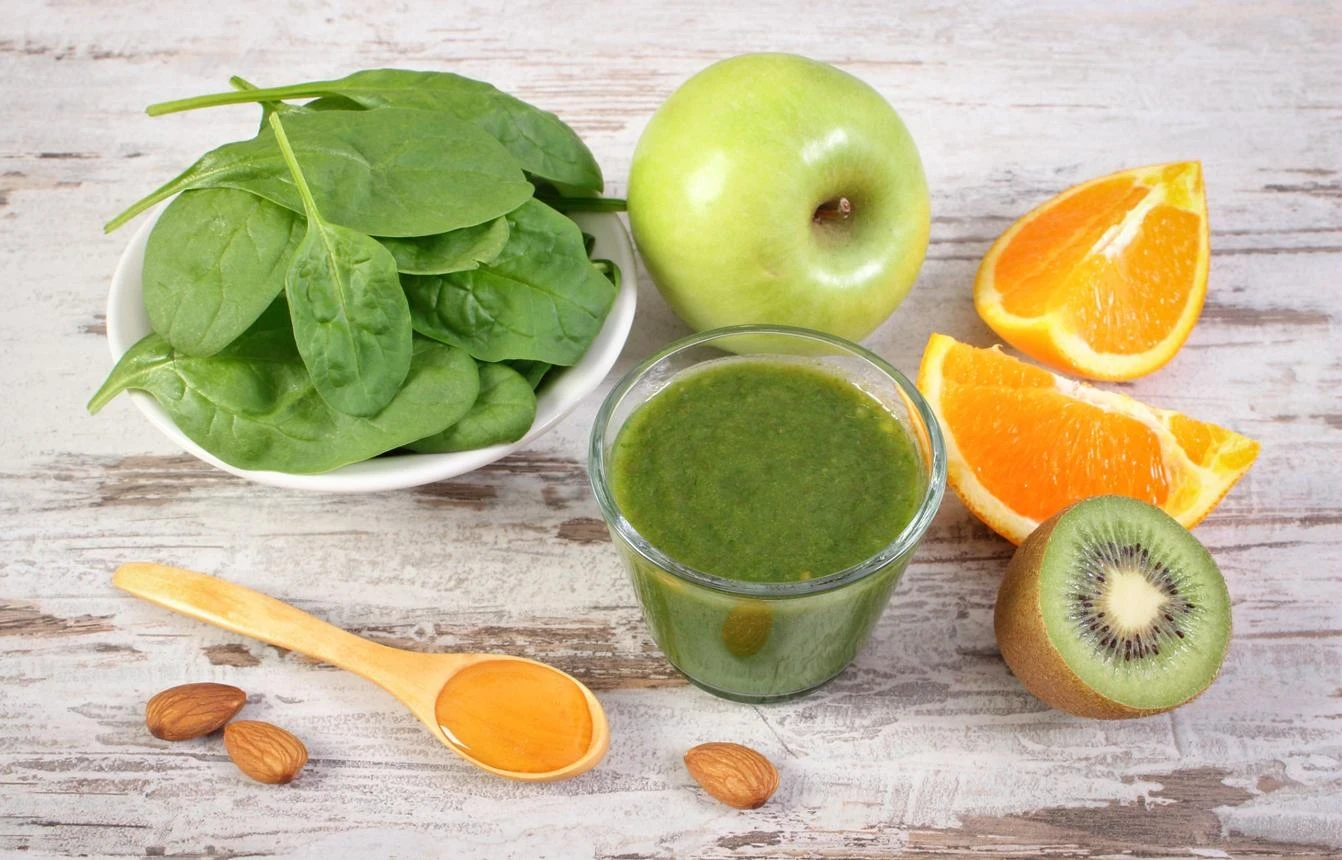
- Spinach
- Kale
- Cucumber
- Celery
- Zucchini
Add Moderate Amounts of Fruit
Fruit provides natural sweetness and valuable nutrients.
Popular options include:
- Berries
- Apples
- Bananas
- Mangoes
- Pineapple
However, excessive fruit can increase sugar content, so moderation is important.
Include Protein
Protein helps support muscle maintenance and increases feelings of fullness.
Examples include:
- Greek yogurt
- Protein powder
- Tofu
- Soy milk
- Nut butters
Add Healthy Fats
Healthy fats can improve satiety and nutrient absorption.
Examples include:
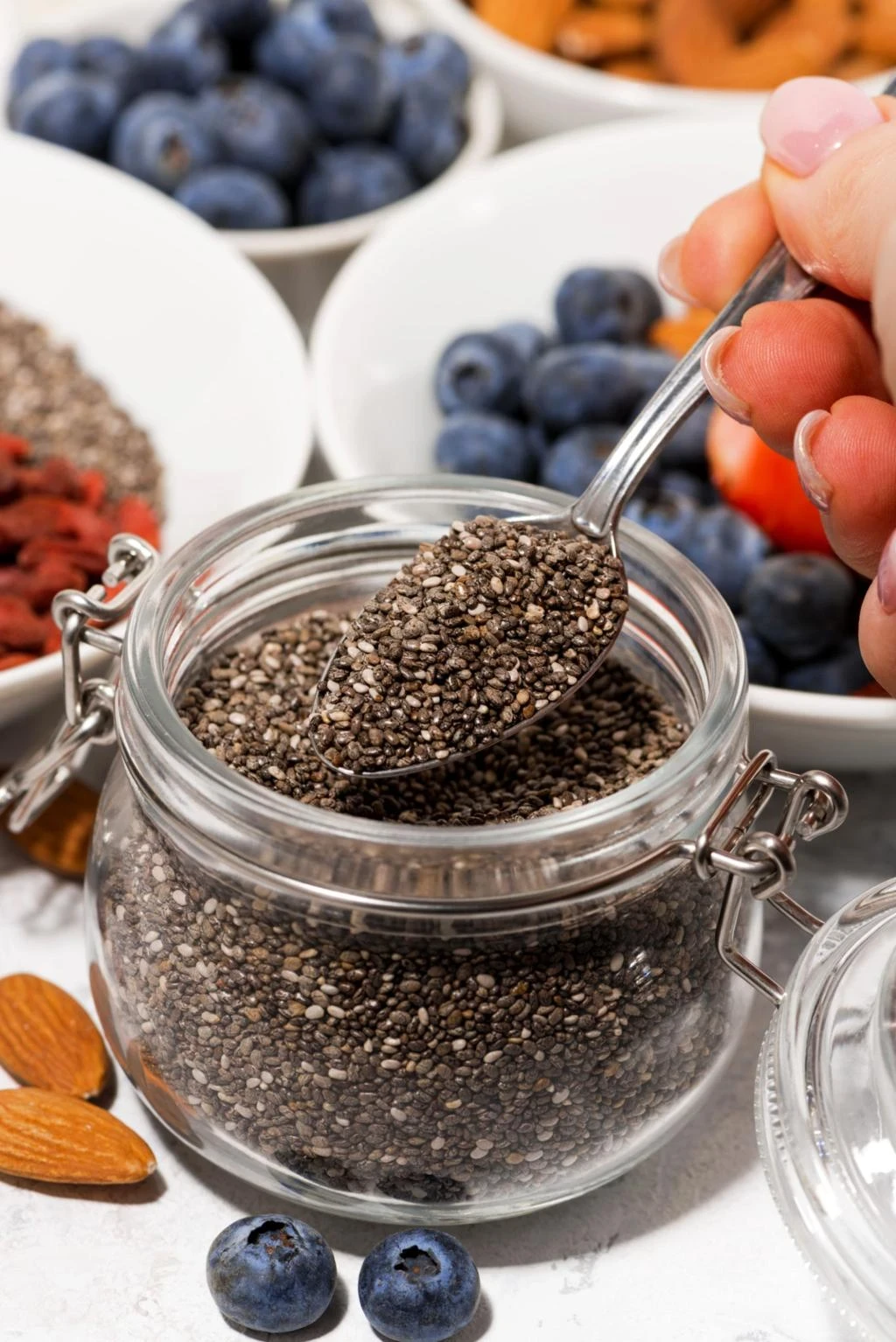
- Chia seeds
- Flaxseeds
- Almond butter
- Walnuts
- Avocado
The Pros of the Smoothie Diet
Convenience
One of the biggest advantages is convenience.
Most smoothies can be prepared within minutes, making them ideal for busy individuals.
Increased Nutrient Intake
A well-designed smoothie can contain multiple servings of fruits and vegetables in a single meal.
Supports Hydration
Because smoothies contain significant amounts of water, they can contribute to daily hydration needs.
Easy to Customize
People with different dietary preferences can adapt smoothies to fit their needs, including vegetarian, vegan, dairy-free, and gluten-free lifestyles.
May Encourage Healthier Habits
Many participants report becoming more mindful of their food choices after beginning a smoothie-based eating plan.
The Cons of the Smoothie Diet
Liquid Meals May Not Feel Filling
Some people feel less satisfied after consuming liquid meals compared to solid foods.
This can lead to increased hunger later in the day.
Hidden Calories
Healthy ingredients can still be calorie-dense.
Adding excessive amounts of:
- Nut butters
- Honey
- Sweetened yogurt
- Dried fruit
can quickly increase calorie content.
Lack of Dietary Variety
Relying too heavily on smoothies may reduce exposure to other important food groups and textures.
Social Challenges
Meal replacement programs can be difficult to maintain during family gatherings, vacations, or social events.
Potential Risks and Side Effects
Although smoothie diets can be beneficial for some individuals, they are not risk-free.
Potential concerns include:
Blood Sugar Spikes
Fruit-heavy smoothies may cause rapid increases in blood sugar, particularly for individuals with diabetes or insulin resistance.
Nutritional Imbalances
Replacing too many meals with smoothies may result in insufficient protein, healthy fats, or certain micronutrients.
Digestive Issues
Sudden increases in fiber intake may cause:
- Bloating
- Gas
- Stomach discomfort
particularly among individuals not accustomed to consuming large amounts of fruits and vegetables.
Unsustainable Expectations
Some marketing materials promote rapid weight loss.
While quick results may occur initially, sustainable weight management requires long-term lifestyle changes.



How to Use Smoothies the Right Way
If you decide to incorporate smoothies into your weight-loss journey, consider the following recommendations:
Replace Only One or Two Meals
Avoid replacing every meal with a smoothie.
Your body still benefits from chewing whole foods and consuming a variety of nutrients.
Prioritize Protein
Including protein helps improve satiety and supports muscle preservation during weight loss.
Watch Portion Sizes
Healthy ingredients can still contribute significant calories if portions become excessive.
Stay Physically Active
Exercise remains a critical component of any successful weight-loss plan.
Aim for:
- Regular walking
- Strength training
- Cycling
- Swimming
- Yoga
Drink Plenty of Water
Hydration supports digestion, energy levels, and overall health.
Does the Smoothie Diet Really Work?
The answer depends on how it is implemented.
The Smoothie Diet is not a magic solution.
However, for individuals who struggle with unhealthy eating habits, meal skipping, or excessive consumption of processed foods, it can provide a structured framework that encourages healthier choices.
Many people experience positive results because they:
- Consume fewer calories
- Increase fruit and vegetable intake
- Reduce processed foods
- Become more mindful about eating habits
The smoothies themselves are not necessarily responsible for all the weight loss; rather, they often help create healthier overall eating patterns.
Final Verdict
The Smoothie Diet can be an effective tool for weight loss when used correctly as part of a balanced lifestyle.
Its greatest strengths are convenience, nutritional flexibility, and its ability to help people increase their consumption of fruits and vegetables.
However, it should not be viewed as a miracle solution.
Long-term success still depends on maintaining healthy eating habits, staying physically active, managing stress, and getting adequate sleep.
If you are considering a smoothie-based weight-loss program, consult your healthcare provider or nutrition professional, especially if you have diabetes, medical conditions, or specific dietary requirements.
Remember, sustainable weight loss is not about finding the perfect diet. It is about creating healthy habits that you can maintain for life.
Ready to Learn More?
If you’re interested in discovering how a structured smoothie program works and whether it may fit your goals, be sure to explore additional resources and educational materials before making your decision.
Your journey toward better health starts with informed choices and realistic expectations.
Want to discover the complete Smoothie Diet program and recipe guide?
Learn how thousands of people are using simple, nutrient-rich smoothie recipes to support their weight-loss goals and create healthier eating habits.
👉 Click here to explore the Smoothie Diet program and see if it’s the right fit for your lifestyle.