
Protein: An Essential Nutrient for Health, Muscle Building, and Weight Loss
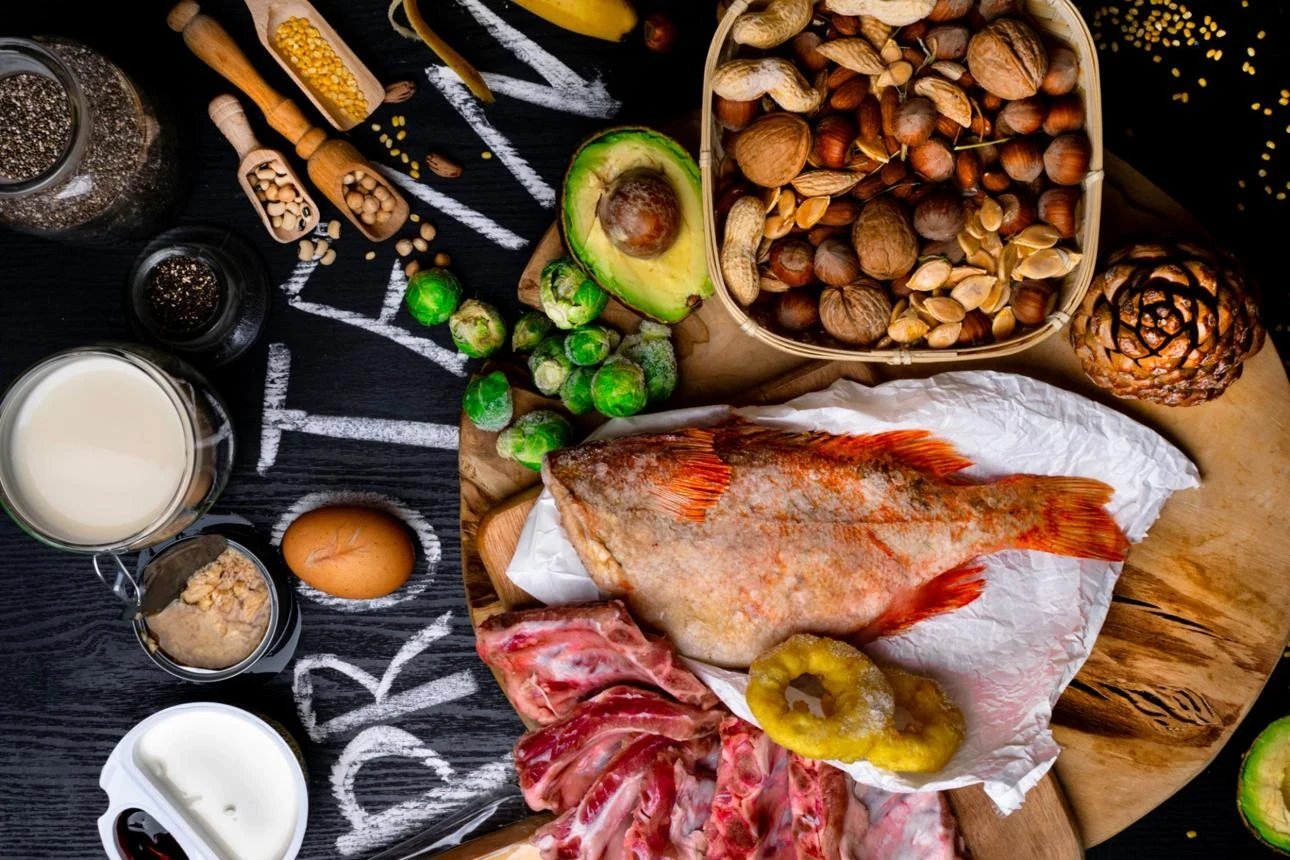
When it comes to healthy eating and sustainable weight loss, few nutrients are as important as protein. Often referred to as the “building blocks of life,” proteins play a vital role in nearly every function of the human body.
From repairing tissues and building muscle to supporting the immune system and regulating hormones, protein is an essential component of a balanced diet. In recent years, protein has also gained attention for its role in weight management, appetite control, and maintaining lean muscle mass during weight loss.
Understanding why protein matters and how to incorporate it into your daily meals can help you achieve better health and long-term wellness.
What Is Protein and Why Is It Important?
Proteins are large molecules made up of smaller units called amino acids. These amino acids are responsible for numerous bodily functions, including:
- Building and repairing muscles
- Supporting healthy skin, hair, and nails
- Producing enzymes and hormones
- Strengthening the immune system
- Transporting nutrients throughout the body
- Supporting healthy metabolism
There are 20 amino acids that the body uses to build proteins. Nine of these are known as essential amino acids because the body cannot produce them on its own. Therefore, they must be obtained through food.
Without adequate protein intake, the body cannot efficiently repair tissues, maintain muscle mass, or perform many of its essential functions.
Protein and Muscle Health
One of protein’s most well-known functions is supporting muscle growth and maintenance.
Every day, our muscles undergo natural wear and tear through normal activities such as walking, lifting, exercising, and even maintaining posture. Protein provides the amino acids necessary to repair damaged muscle fibers and build new tissue.
This process is especially important for:
- Athletes
- Active individuals
- Older adults
- People recovering from illness or injury
Maintaining muscle mass becomes increasingly important as we age. Research shows that adults naturally lose muscle mass over time, a condition known as age-related muscle loss. Consuming adequate protein can help slow this process and support healthy aging.
How Protein Supports Weight Loss
Many people associate weight loss solely with reducing calories, but the quality of those calories matters as much as the quantity. Protein offers several advantages that can support healthy and sustainable weight loss.
1. Protein Increases Satiety
Protein is highly satisfying and helps you feel fuller for longer.
Compared to carbohydrates and fats, protein stimulates the release of hormones that promote feelings of fullness while reducing hunger hormones.
As a result, individuals who consume more protein often experience:
- Reduced appetite
- Fewer cravings
- Less snacking between meals
- Better portion control
This can naturally lead to lower calorie intake without feeling deprived.
2. Protein Boosts Metabolism
Protein has a higher thermic effect than fats and carbohydrates.
The thermic effect of food (TEF) refers to the number of calories your body burns while digesting and processing food.
Because protein requires more energy to digest, the body burns more calories during the digestion process.
This means that increasing protein intake may provide a modest boost to daily calorie expenditure.
3. Protein Helps Preserve Lean Muscle Mass
One of the biggest challenges during weight loss is preventing muscle loss.
When calorie intake is significantly reduced, the body may break down muscle tissue for energy. This can lower metabolism and make long-term weight maintenance more difficult.
Adequate protein intake helps preserve lean muscle mass while encouraging the body to utilize stored fat for energy.
Maintaining muscle mass is beneficial because muscle tissue burns more calories than fat tissue, even while at rest.
4. Protein Supports Long-Term Weight Management
Research consistently shows that higher-protein diets may help people maintain weight loss more effectively than lower-protein diets.
By reducing hunger and preserving muscle mass, protein helps create a sustainable approach to weight management rather than a temporary dieting solution.
How Much Protein Do You Need?
Protein requirements vary depending on factors such as age, activity level, health status, and fitness goals.
General recommendations suggest:
- Adult women: Approximately 46 grams per day
- Adult men: Approximately 56 grams per day
However, individuals who are physically active, older adults, or those trying to lose weight may benefit from higher protein intake.
Many nutrition experts recommend consuming approximately 1.2 to 2.0 grams of protein per kilogram of body weight for optimal muscle maintenance and weight management.
For example:
- A 70 kg adult may require between 84 and 140 grams of protein daily depending on activity levels and goals.
Consulting a healthcare professional or registered dietitian can help determine your personal protein needs.
Best Sources of Protein
Protein can be obtained from both animal-based and plant-based foods.
Animal-Based Protein Sources
These are considered complete proteins because they contain all essential amino acids.
Examples include:
- Chicken breast
- Turkey
- Fish
- Eggs
- Greek yogurt
- Cottage cheese
- Lean beef
- Milk
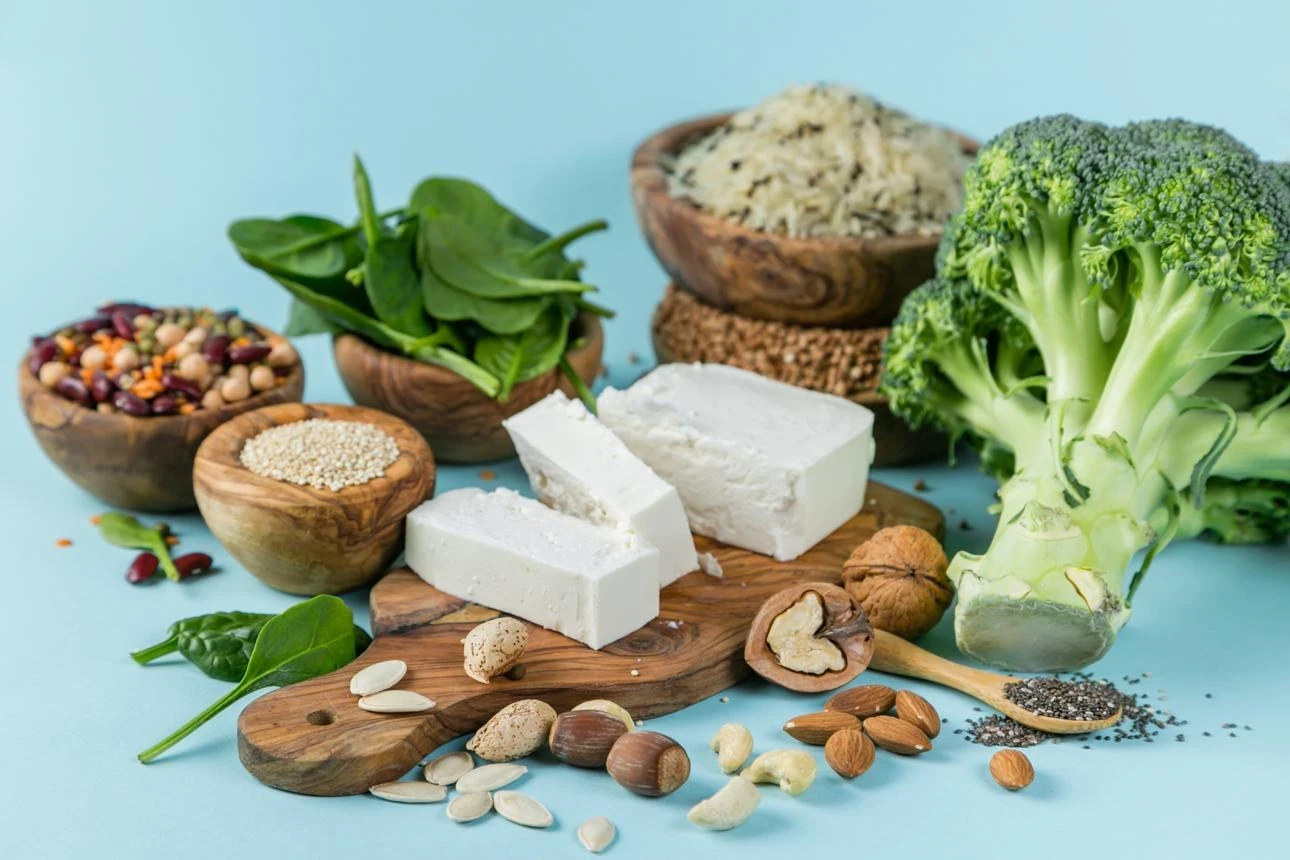
Plant-Based Protein Sources
Plant proteins provide valuable nutrients, fiber, and antioxidants.
Excellent choices include:
- Lentils
- Chickpeas
- Black beans
- Kidney beans
- Tofu
- Tempeh
- Edamame
- Quinoa
- Nuts and seeds
For vegetarians and vegans, combining a variety of plant protein sources throughout the day helps ensure adequate amino acid intake.

Protein Sources for Vegetarians
For those following a vegetarian diet, obtaining sufficient protein is entirely achievable with proper planning.
High-protein vegetarian foods include:
- Tofu
- Tempeh
- Soy milk
- Lentils
- Chickpeas
- Black beans
- Kidney beans
- Greek yogurt
- Cottage cheese
- Paneer
- Quinoa
- Chia seeds
- Hemp seeds
- Almonds
A simple vegetarian meal plan may include:
Breakfast
Greek yogurt with nuts and seeds
Lunch
Quinoa salad with chickpeas and vegetables
Snack
Protein smoothie with soy milk
Dinner
Tofu stir-fry with brown rice and mixed vegetables
Can You Eat Too Much Protein?
While protein offers many benefits, balance remains important.
Excessive protein consumption may:
- Increase calorie intake
- Reduce intake of other important nutrients
- Cause digestive discomfort in some individuals
For healthy individuals, moderate increases in protein intake are generally considered safe. However, those with existing kidney disease should consult their healthcare provider before significantly increasing protein consumption.
The goal is to consume enough protein to support health without neglecting other important nutrients such as healthy fats, fiber, vitamins, and minerals.
Practical Tips to Increase Protein Intake
If you’re looking to increase your protein consumption, consider these simple strategies:
Start Your Day with Protein
Choose:
- Eggs
- Greek yogurt
- Protein smoothies
- Tofu scramble
Add Protein to Every Meal
Include:
- Beans
- Lentils
- Fish
- Chicken
- Tofu
- Low-fat dairy
Choose High-Protein Snacks
Examples include:
- Nuts
- Greek yogurt
- Cottage cheese
- Roasted chickpeas
- Protein shakes
Plan Meals Ahead
Meal preparation helps ensure you consistently meet your daily protein requirements.
Final Thoughts
Protein is far more than a nutrient for athletes and bodybuilders. It is an essential component of a healthy diet that supports muscle maintenance, immune function, hormone production, and overall well-being.
For individuals pursuing weight loss goals, protein offers additional advantages by promoting fullness, supporting metabolism, and preserving lean muscle mass.
Whether you follow an omnivorous, vegetarian, or plant-based diet, incorporating adequate protein into your daily meals can significantly improve your health and support long-term weight management success.
Rather than focusing solely on cutting calories, consider prioritizing protein-rich foods as part of a balanced lifestyle. Small changes today can lead to lasting improvements in your health, energy levels, and overall quality of life.