
Is the Keto Diet Right for You? Benefits, Risks, and Weight Loss Success Tips

The ketogenic diet, commonly known as the keto diet, has become one of the most popular weight loss approaches in recent years. Advocates claim it can help burn fat, reduce hunger, improve energy levels, and even support better blood sugar control.
With countless success stories appearing online, it’s understandable why many people are curious about trying keto. However, while the ketogenic diet can be effective for some individuals, it may not be the ideal solution for everyone.
Before making significant changes to your eating habits, it’s important to understand how the keto diet works, its potential benefits, possible risks, and whether it fits your lifestyle and health goals.
What Is the Keto Diet?
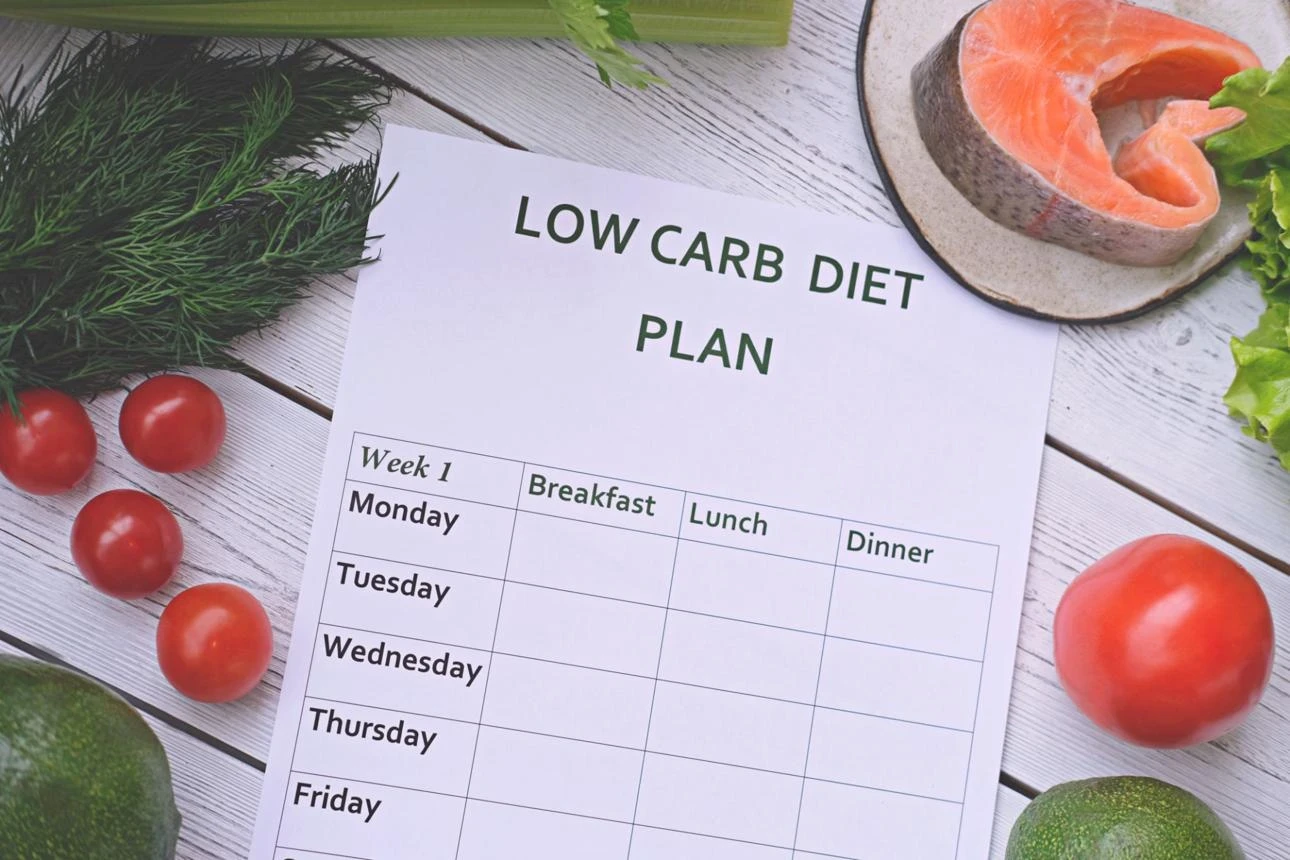
The ketogenic diet is a very low-carbohydrate, moderate-protein, and high-fat eating plan designed to shift the body’s primary fuel source from carbohydrates to fat.
Under normal circumstances, your body uses glucose (derived from carbohydrates) as its main source of energy. When carbohydrate intake is significantly reduced, the body enters a metabolic state called ketosis.
In ketosis, the liver converts fat into molecules called ketones, which become the body’s primary energy source.
A typical ketogenic diet consists of:
- 70% to 75% healthy fats
- 20% to 25% protein
- 5% to 10% carbohydrates
Common keto-friendly foods include:
- Avocados
- Eggs
- Cheese
- Fatty fish
- Nuts and seeds
- Olive oil
- Coconut oil
- Non-starchy vegetables
Foods usually restricted include:
- Bread
- Rice
- Pasta
- Sugary foods
- Most fruits
- Potatoes
- Sweetened beverages
How Does the Keto Diet Promote Weight Loss?
One of the primary reasons people adopt the keto diet is its potential to support weight loss.
Several factors may contribute to its effectiveness.
1. Reduced Appetite
Many people report feeling less hungry when following a ketogenic diet.
Fat and protein tend to be more satisfying than carbohydrates, which can help reduce overall calorie intake without constantly feeling hungry.
2. Increased Fat Burning
When the body enters ketosis, it begins using stored fat as a primary fuel source.
This shift may contribute to body fat reduction, especially during the initial stages of the diet.
3. Lower Insulin Levels
Carbohydrate consumption stimulates insulin production.
By reducing carbohydrate intake, insulin levels often decrease, which may encourage the body to utilize stored fat for energy.
4. Reduced Water Retention
Many people notice rapid weight loss during the first few weeks of keto.
A significant portion of this early weight loss comes from reduced water retention as glycogen stores become depleted.
Potential Benefits of the Keto Diet
Beyond weight loss, the ketogenic diet may offer additional health benefits for some individuals.
Improved Blood Sugar Management
Reducing carbohydrate intake can help stabilize blood sugar levels.
Some studies suggest that low-carbohydrate diets may benefit individuals with insulin resistance or type 2 diabetes under appropriate medical supervision.
Better Appetite Control
Because keto meals are rich in fat and protein, many people experience fewer cravings and improved control over snacking.
Enhanced Mental Focus
Some individuals report improved concentration and mental clarity after adapting to ketosis.
While research is ongoing, ketones may provide a stable energy source for the brain.
Increased Energy Stability
Unlike high-carbohydrate diets that may cause energy spikes and crashes, keto followers often experience more consistent energy levels throughout the day.
Potential Drawbacks of the Keto Diet
Despite its popularity, the ketogenic diet has several limitations that should be carefully considered.
Restrictive Nature
One of the biggest challenges of keto is its strict carbohydrate restriction.
Many healthy foods are limited, including:
- Whole grains
- Certain fruits
- Legumes
- Some vegetables
This can make social dining, travel, and long-term adherence more difficult.
Nutritional Deficiencies
Without proper planning, keto diets may be low in:
- Fiber
- Vitamin C
- Potassium
- Magnesium
- Certain antioxidants
A lack of dietary fiber can also contribute to digestive issues such as constipation.
Keto Flu
During the first few days or weeks, some individuals experience symptoms known as the “keto flu.”
Common symptoms include:
- Headaches
- Fatigue
- Irritability
- Dizziness
- Brain fog
- Muscle cramps
These symptoms usually improve as the body adapts to ketosis.
Long-Term Sustainability
Many people find the keto diet difficult to maintain over the long term.
A weight loss plan is only effective if it can become part of a sustainable lifestyle.
Who Should Avoid the Keto Diet?
The ketogenic diet may not be appropriate for everyone.
Individuals with the following conditions should seek medical advice before starting:
- Liver disease
- Pancreatic disorders
- Kidney disease
- Certain thyroid conditions
- Eating disorders
- Pregnancy or breastfeeding
If you take medications for diabetes or blood pressure, professional guidance is especially important because dietary changes may affect medication requirements.
Keto Diet for Vegetarians
As a vegetarian, you may wonder whether keto is possible without meat.
The answer is yes, but it can be more challenging.
Vegetarian keto-friendly protein sources include:
- Eggs
- Cheese
- Greek yogurt
- Tofu
- Tempeh
- Nuts
- Seeds
- Unsweetened soy products
However, many vegetarian protein sources such as beans, lentils, and chickpeas contain higher amounts of carbohydrates, making strict keto more difficult to follow.
For many vegetarians, a moderate low-carbohydrate diet may be easier and more sustainable than a strict ketogenic approach.
Alternatives to the Keto Diet
If keto feels too restrictive, several other eating patterns may support weight loss while offering greater flexibility.
Mediterranean Diet
The Mediterranean diet emphasizes:
- Vegetables
- Fruits
- Whole grains
- Healthy fats
- Fish
- Nuts
It is widely regarded as one of the healthiest eating patterns in the world.
Plant-Based Diet
A whole-food plant-based diet focuses on:
- Fruits
- Vegetables
- Legumes
- Whole grains
- Nuts and seeds
Many people successfully lose weight while improving overall health using this approach.
Moderate Low-Carbohydrate Diet
A less restrictive low-carb plan allows more flexibility while still reducing processed carbohydrates and added sugars.
This option may be easier to maintain long-term.

Questions to Ask Before Starting Keto
Before committing to a ketogenic diet, consider the following:
Can I Maintain It Long-Term?
A diet that fits your lifestyle is more likely to produce lasting results.
Does It Match My Food Preferences?
Enjoying your meals makes healthy eating easier and more sustainable.
Do I Have Any Medical Conditions?
Consult your healthcare provider if you have any underlying health concerns.
Am I Looking for Quick Results or Long-Term Health?
While keto may produce rapid initial weight loss, sustainable health often requires a balanced long-term strategy.
Final Verdict: Is the Keto Diet Right for You?
The ketogenic diet can be an effective weight loss tool for many people. Its ability to reduce appetite, encourage fat burning, and support blood sugar management has made it a popular choice among those seeking to lose weight.
However, keto is not a one-size-fits-all solution. Its restrictive nature, potential nutrient deficiencies, and long-term sustainability challenges mean it may not be suitable for everyone.
The best diet is not necessarily the one that produces the fastest results—it is the one you can maintain while supporting your overall health and well-being.
If you’re considering the keto diet, take time to evaluate your personal goals, health status, and lifestyle. Consulting a healthcare professional or registered dietitian can help you determine whether keto is the right approach for your individual needs.
Bottom Line
The keto diet can support weight loss and metabolic health for some individuals, but long-term success depends on consistency, proper nutrition, and choosing an eating plan that fits your lifestyle. Sustainable habits—not quick fixes—are the foundation of lasting health and weight management.