
Managing diabetes and high cholesterol involves more than just medication. From my experience, what I choose to eat and how active I stay each day has a really big influence on my blood sugar and cholesterol numbers. Small adjustments in daily habits can lead to measurable differences over time. I’m going to share my approach for using food and exercise as practical tools for reducing diabetes risk and bringing down cholesterol to healthier levels. Over the years, I’ve also gathered additional tips and strategies from doctors, nutritionists, and support groups that make this path smoother and more rewarding. Let’s check out how daily routines, smart choices, and ongoing learning can help you feel more confident in your health journey.
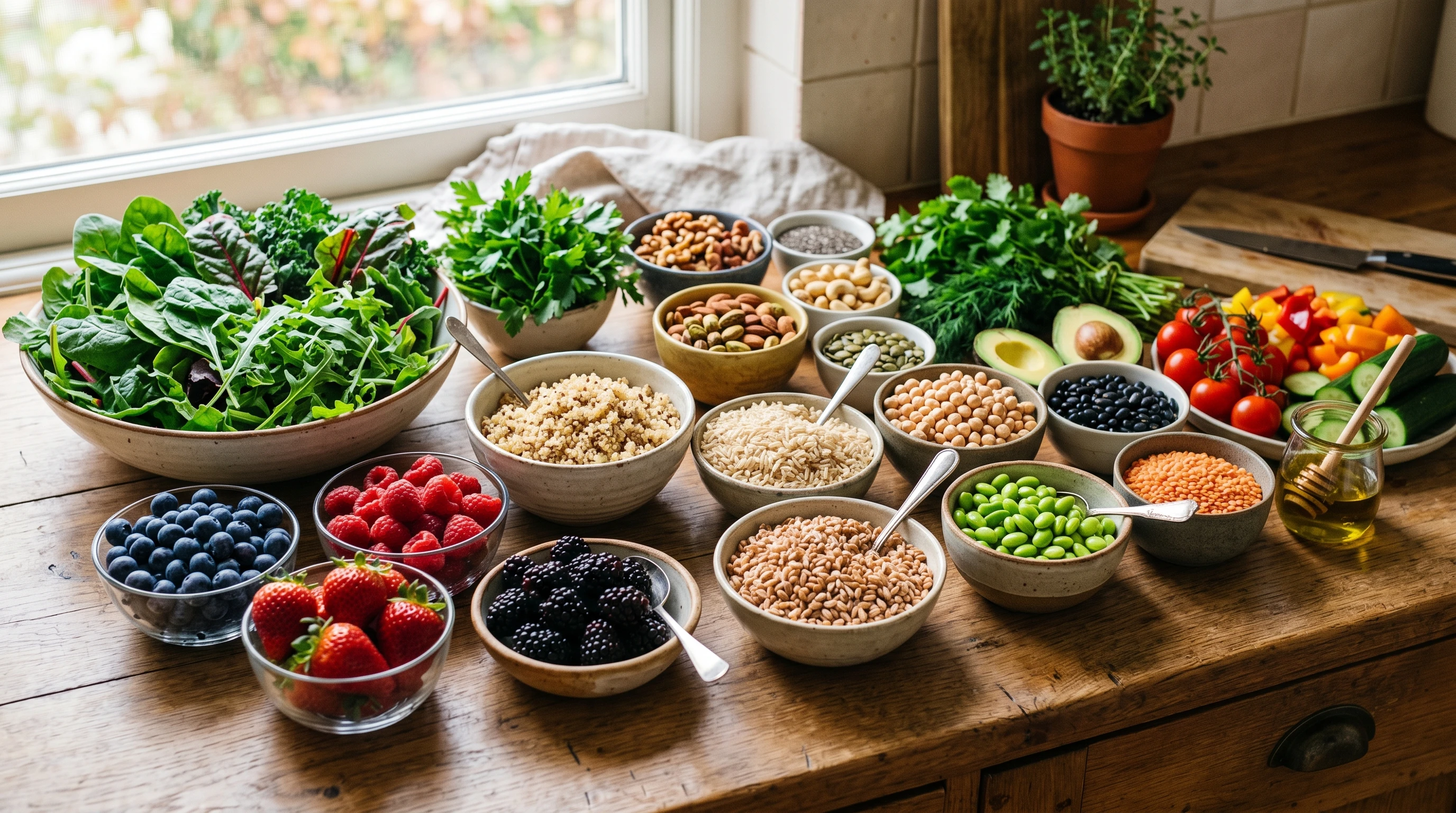
Why Diet and Exercise Make a Difference for Diabetes and Cholesterol Control
Diabetes and high cholesterol often show up together, and both conditions raise the risk of heart problems. Doctors, including my own, tell me that lifestyle switches are the main line of defense, not just for prevention but also for ongoing management. I’ve found that while medication can help, it works a lot better when paired with consistent, healthy habits.
Eating patterns and physical activity affect the way my body processes sugar and fat. Eating too many processed foods and skipping exercise pushes blood sugar and cholesterol in the wrong direction. On the other hand, choosing whole foods and moving more every day helps keep these numbers in a better range. This isn’t just my personal hunch. Studies published in sources like the CDC and the American Heart Association back this up.
Consistency is key—not perfection. Whether you’re newly diagnosed or have been living with these concerns for years, regularity helps set the foundation for improvements. Each small step, from tweaking one meal at a time to squeezing in walks, has a cumulative effect that can be measured in better blood work and higher energy.
Building a Diabetes and Cholesterol Friendly Diet
When managing both diabetes and cholesterol, the food on my plate plays a key role every day. Here’s how I structure my eating habits for the best results.
The Right Carbohydrates
I focus on quality over quantity. Not all carbs are troublemakers for blood sugar. Foods high in fiber, like whole grains, beans, and vegetables, break down slowly and help keep sugar levels more balanced. Refined carbs, like white bread or sugary drinks, spike blood sugar quickly, so I limit those as much as possible. Brown rice, quinoa, and farro are on my grocery list more often than white pasta or bread. Incorporating different types of legumes—black beans, lentils, chickpeas—not only adds interest to meals but also supplies valuable fiber and protein.
Managing Fats
Fat isn’t always the enemy. I try to swap out saturated and trans fats for healthier sources like olive oil, nuts, avocados, and fatty fish (such as salmon or sardines). These swaps help lower LDL (the “bad”) cholesterol, and some even raise HDL (the “good”) cholesterol. I double-check food labels for “partially hydrogenated oils” since those add trans fats, which are best left out completely. Snack options such as walnuts and almonds, and drizzling salads with flax seed or canola oil rather than heavy dressings, help me make better fat choices.
Adding More Fiber
Fiber does more than just help digestion. Soluble fiber, which I find in oats, beans, apples, and barley, acts a bit like a sponge for cholesterol and helps slow down sugar absorption in the blood. I make sure to include a mix of fruits, vegetables, legumes, and whole grains in every meal to crank up the fiber content. Experimenting with chia pudding, overnight oats, or barley soup has kept my meals exciting and my fiber intake consistently high.
Protein Choices
Lean chicken, fish, eggs, nuts, lentils, and tofu all fit into my weekly rotation. I keep an eye on fat content if choosing red meat, sticking to the leanest cuts and watching portion sizes. For heart health, plant based proteins and fish are options I lean into most often. Swapping red meats for turkey or plant based alternatives, trying marinated tofu, or adding roasted chickpeas as salad toppers helps keep my meals balanced and satisfying.
Salt, Sugar, and Processed Foods
Too much sodium raises blood pressure (which also strains the heart), so I use herbs, vinegar, or citrus for flavor. Prepackaged snacks and ready made meals often sneak in extra salt, sugar, and saturated fat. Preparing my meals at home gives me better control over what winds up on my plate and into my body. Often, I roast veggies with lemon and fresh herbs, or use garlic and smoked paprika on my proteins instead of relying on packaged flavoring blends loaded with salt.
Practical Steps to Creating Healthy Meals
- Shop for Whole Foods: Filling my cart with fruits, vegetables, whole grains, beans, lean proteins, and healthy oils helps me build nutritious meals at home. Looking for what’s in season can save money and boost flavor variety.
- Read Labels: Checking for added sugars and saturated/trans fats helps me avoid hidden pitfalls in packaged foods. Comparing brands and picking the one with less sodium and sugar is a simple way to step up my nutrition.
- Stick to Simple Cooking: Baking, roasting, grilling, or steaming are my go to methods instead of frying. Stirfries with tons of veggies and a splash of low sodium soy sauce are quick to prepare and easy to customize.
- Plan Portions: I use my hand or a simple measuring cup as a quick guide. Half my plate is veggies, one quarter is lean protein, and one quarter is whole grains or starchy veggies. Prepping single serving containers for lunches lets me grab healthy options even on busy days.
- Stay Consistent: Skipping large swings in when and how much I eat keeps my blood sugar more predictable throughout the day. I aim to eat at similar times each day, which helps set a rhythm for my body and keeps cravings in check.
Trying new recipes or adding a handful of spices can keep meals interesting without extra calories or unhealthy ingredients. Being mindful of hunger and fullness cues, as well as eating slowly, helps prevent overeating and makes me appreciate my food more.
The Role of Exercise in Blood Sugar and Cholesterol
Getting active is one of the most reliable ways I keep both my diabetes and cholesterol in check. Movement makes my body more sensitive to insulin (the hormone that lets sugar move out of the blood and into the cells), and it helps improve cholesterol numbers by raising the good cholesterol and lowering the bad. Here’s what has worked well for me, and what the experts at Diabetes.org suggest.
Finding Enjoyable Activities
I focus on activities that fit my lifestyle and feel fun rather than forcing myself into a routine I dread. Brisk walking, cycling, swimming, and even dancing count. Mixing things up keeps me from getting bored. A simple walk after meals lowers my blood sugar spikes more than larger, less frequent workouts. Gardening, household chores, and walking the dog also add up toward my daily activity goals.
How Much Exercise Do I Need?
Most guidelines suggest aiming for at least 30 minutes of moderate activity five days a week. Some days, even 10 minute bursts throughout the day add up. I try to mix in a combination:
- Aerobic Exercise: Anything that gets my heart rate up, like brisk walking, swimming, cycling, or using a treadmill, is helpful for both blood sugar and cholesterol.
- Resistance Training: Lifting light weights, using resistance bands, or doing body weight moves like squats and pushups helps build and maintain muscle, which can also improve blood sugar control.
- Flexibility and Balance: Activities like yoga or gentle stretching support my daily movement and reduce chances of injury.
Tracking steps with a pedometer or activity app keeps me motivated, and setting incremental goals (like increasing my daily step count by 500 each week) makes fitness progress more attainable.
Staying Safe During Exercise
Because I’m managing diabetes, I keep an eye on my blood sugar before and after workouts, especially when I’m starting a new routine. Carrying a snack just in case my blood sugar drops too low has come in handy more than once. If you’re new to exercise or have any health conditions, talking with your doctor before making drastic changes is a good idea. Comfortable shoes and proper hydration make it easier to stick with exercise long term.
Common Challenges and How I Tackle Them
Making daily changes isn’t always easy, especially since temptations and time pressures can get in the way. I’ve faced a few hurdles and found some workarounds that keep me on track.
Challenge: Cravings for Sweets or Fried Foods
I still get the urge for something sweet or crunchy every now and then. Swapping regular chips for homemade roasted chickpeas, or eating berries with Greek yogurt, gives me a similar taste experience with way less sugar and unhealthy fat. Sometimes, I satisfy cravings by having a square of dark chocolate or a fruit smoothie blended with leafy greens—both options help me avoid a bigger blood sugar swing while still feeling like a treat.
Challenge: Busy Schedules
Once in a while, long days make it tough to fit in exercise or cook balanced meals. I keep a list of simple, healthy recipes or snack ideas, and I schedule my walks or workouts like any other appointment. On weekends, I batch cook soups, roasted veggies, and lean proteins to reheat when I’m short on time. Keeping a stocked pantry with canned beans, frozen veggies, and quick cook grains saves me from takeout traps when days get hectic.
Challenge: Eating Out and Social Events
I look at restaurant menus ahead of time and choose grilled or roasted dishes with lots of vegetables. I ask for sauces and dressings on the side so I can control what goes into my meal. If dessert is part of the event, I share a serving or take a small bite rather than skipping out completely, which keeps it realistic for me. Bringing a healthy dish to get guarantees I’ll have at least one good option, and often inspires friends to try new foods too.
Advanced Tips for Long Term Success
Once I got the basic routine down, I started fine-tuning for better results. Small upgrades to my habits have a big impact on my numbers and how I feel overall. Staying curious and open to learning helps me stay on track, even when things get busy or challenging.
Tracking Progress
I keep a simple journal, writing down what I eat, my blood sugar readings, exercise, and how I’m feeling. This helps me spot patterns, like certain foods raising my numbers or feeling tired when I skip workouts. Apps designed for diabetes and cholesterol management can also make logging easier. Reviewing this info with my care team leads to adjustments that give better results over time.
Trying Meal Timing Strategies
I find that eating at regular times, without skipping meals, stops wild swings in my blood sugar. Some people experiment with meal timing, such as earlier dinners or spreading carbs out evenly through the day, and I’ve noticed improvements when I do this. Research supports consistent patterns, especially for people with type 2 diabetes. Mindful eating—focusing on flavors and minimizing distractions—helps me avoid overeating or stress snacking.
Staying Motivated Over the Long Haul
The results don’t happen overnight, and keeping up motivation can sometimes be hard. Setting small, achievable goals (like hitting my exercise target for a week or trying a new vegetable every day) makes it feel more doable. Celebrating those wins helps me build healthy habits into my daily routine. Making changes with a friend or family member builds accountability and makes it more fun. Competing in step challenges or recipe swaps sparks friendly competition and keeps things interesting.
Getting Support and Reliable Information
I lean on my healthcare team for advice. My doctor and dietitian help me figure out what works best for my specific numbers and medical history. I also join online communities and forums; places like the American Diabetes Association and the American Heart Association have forums, free information, and newsletters that offer helpful tips and ongoing encouragement. Regular checkins with other people on the same path take some of the isolation out of making changes and give me fresh ideas when I hit a plateau.
Real World Examples of Healthy Changes
- Weekly Meal Prepping: On Sundays, I roast several trays of vegetables, cook a pot of beans, and portion out snacks. This makes healthier eating during the week a lot less stressful.
- Walking After Dinner: Instead of watching TV right after a meal, my friend and I make it a routine to walk for 20 minutes. Both of us have seen improvements in our blood sugar readings and energy levels.
- Simple Swaps: Swapping soda for sparkling water, and chips for air-popped popcorn or nuts, made it easier to reduce salt, sugar, and unhealthy fats.
- Creating a Support Group: Forming a small WhatsApp group with friends who have similar health goals helps us share recipes, celebrate wins, and stay accountable together.
- Strategic Snacking: Pre-cutting veggies and portioning out nuts at the start of the week makes it easier to skip vending machine snacks during long workdays.
Frequently Asked Questions
Question: What foods should I eat to lower both diabetes and cholesterol?
Answer: I focus on fiber rich foods like vegetables, beans, lentils, oats, barley, whole fruits, nuts, and seeds. Lean proteins, such as fish and chicken, also help. I avoid refined flours, added sugars, fried foods, and high sodium snacks.
Question: Do I have to give up carbs completely?
Answer: Giving up carbs isn’t necessary, but choosing better carbs is really important. Whole grains, beans, and vegetables give energy but break down slower, helping to control blood sugar. I keep those as a steady part of my meals.
Question: Can exercise alone lower my cholesterol?
Answer: Exercise helps, but the best results happen when I pair it with healthy eating. Some people see noticeable drops in their cholesterol numbers after several months of regular activity and better meal choices.
Question: How do I stay on track if I travel or eat out a lot?
Answer: I stick to grilled, baked, or steamed dishes with plenty of veggies when eating out. Packing healthy snacks like fruit, nuts, or roasted chickpeas keeps me from reaching for less healthy options. Checking menus and making special requests is something I do often and most restaurants are willing to help.
Simple Changes with a Big Impact
Small steps I take every day—choosing fiber rich foods, walking after meals, keeping an eye on portions—make a real difference for both diabetes and cholesterol. I don’t need perfection, just consistency. Support from my healthcare team, a little prep work, and sharing my progress with others helps keep me on track. Over time, these choices have improved my health and my confidence in managing these conditions.
Continued learning and adaptation are part of the process. If you ever get discouraged, remember that every positive change, even the smallest ones, adds up over time. Don’t hesitate to ask for help or fresh ideas when you hit a wall. Everyone’s adventure with diabetes and cholesterol is unique, but with patience and the right strategies, meaningful progress is absolutely possible.