
 Stable blood sugar isn’t just a concern for people managing diabetes; it’s also fantastic for keeping your energy, mood, and overall health in check. For a long time, I assumed blood sugar wasn’t something I’d ever need to watch, but once my energy crashes started affecting my day-to-day, my doctor explained that stable blood sugar could actually help just about anyone feel better every day. The best part? You can get more stable blood sugars in just 30 days by making a few practical, realistic changes. There’s no need for wild fad diets or obsessively tracking every bite.
In this guide, I’m going to share smart and sustainable steps that can make a real difference in balancing your blood sugar. These tips aren’t about cutting everything you love out of your diet—instead, they’re about simple tweaks that add up over time. You’ll find meal ideas, snack hacks, easy ways to move more, and tricks to become more aware of your body’s patterns without overwhelm. Whether you want to amp up your energy, support your long-term health, or just put a stop to those annoying afternoon crashes, this plan can help you reset and feel your best, starting today.
Step 1: Know Your Own Blood Sugar Triggers
The first thing that really made a difference for me was figuring out what actually sets off my blood sugar highs and lows. Everyone’s a bit different, but there are some common triggers that can cause a blood sugar rollercoaster, such as eating refined breads or cereals, skipping breakfast, or downing a sweet coffee drink without anything in your stomach.
Questions to Ask Yourself:
- Do I feel tired or sluggish after meals heavy on carbs, like pasta or white rice?
- Do I often go hours without eating, only to grab whatever’s nearby?
- Which snacks do I reach for when my mood dips mid-afternoon?
- How often do I drink sugary beverages?
Common Symptoms of Blood Sugar Ups and Downs:
- Tiredness, especially mid-morning or late afternoon
- Craving sweets or carb-heavy snacks
- Feeling shaky, irritable, or lightheaded if a meal is delayed
- Trouble focusing after eating
Once you notice your patterns, it’s a lot easier to start swapping out habits to support better energy and mood.
Step 2: Build Your Balanced Plate for Blood Sugar
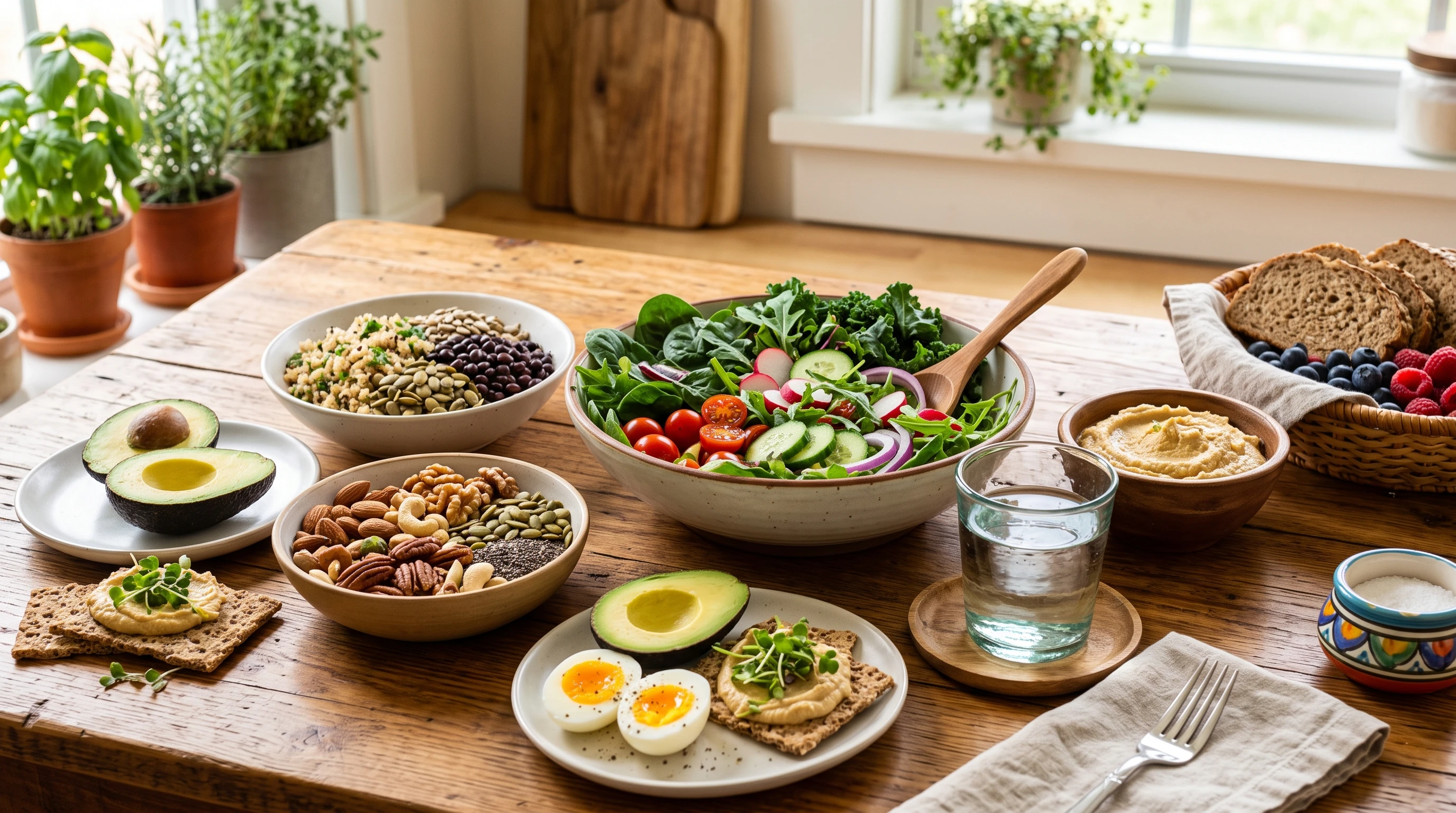
What you put on your plate directly affects how steady your blood sugar and energy stay throughout the day. Every meal—yes, even breakfast—should bring together fiber, healthy fats, and protein. This trio slows down the speed at which sugars from your food hit your bloodstream, helping you feel satisfied longer and avoiding sugar highs and lows.
The Simple Balanced Plate Formula:
- Nonstarchy veggies for half your plate. Think leafy greens, broccoli, zucchini, peppers, cucumbers, or cauliflower.
- Lean protein. Options like chicken, eggs, tofu, cottage cheese, Greek yogurt, lentils, or fish work well.
- Small serving of slow-digesting carbs. Choose brown rice, whole wheat toast, quinoa, oats, or sweet potatoes.
- Healthy fats. Avocado, olive oil, nuts, seeds, and cheese give your meal staying power.
Sample Balanced Meals:
- Breakfast: Scrambled eggs with spinach and tomatoes, whole grain toast, and half an avocado.
- Lunch: Grilled chicken breast with a large salad of greens and chopped veggies, a sprinkle of nuts, and olive oil dressing.
- Dinner: Lentil stew with brown rice, plus a side of steamed broccoli.
Using this mix keeps meals filling and helps you steer clear of big energy drops later on.
Step 3: Get Smart About Snacks
Sugary or starchy snacks—like cookies, crackers, or granola bars—can spike blood sugar and leave you wiped out soon after. The trick is to pair carbs with a little protein or fat. This simple change slows down digestion and keeps you full for longer.
Snack Swaps That Make a Difference:
- Apple slices paired with peanut butter
- Plain Greek yogurt and walnuts
- Cheese stick and carrot sticks
- A small handful of almonds with blueberries
- Hummus with sliced peppers
Snack Timing Can Help:
If you typically go more than 4 or 5 hours between meals, plan in a snack so you don’t hit a blood sugar low. A small snack in the mid-morning or mid-afternoon can help you avoid those energy crashes and mood dips.
Step 4: Balance Your Drinks
Sugary drinks can throw off blood sugar more quickly than just about anything else, no matter how healthy they seem. They deliver sugar straight into your bloodstream, so limiting them is key.
Drinks to Enjoy Less Often:
- Soda—including diet versions, which may increase cravings
- Fruit juices (better to eat the whole fruit!)
- Sugary coffee or pre-sweetened tea drinks
- Sports or energy drinks
Better Drink Choices:
- Water (jazz it up with lemon, cucumber, or a few berries)
- Unsweetened iced or hot tea
- Coffee, either plain or with a splash of milk
- Sparkling water
If you’re not into plain water, experiment with natural add-ins until you find what you like. Keeping water interesting can be one of the most effortless ways to keep your blood sugar steady throughout the day.
Step 5: Move Your Body (Intensity Isn’t Required)
You don’t have to sign up for hardcore workouts or fancy classes to help your body use blood sugar efficiently. Moving your body—even if it’s gentle—helps lower spikes after meals and supports steady energy.
Practical Movement Ideas:
- Walk for 10 minutes after any meal. Even a stroll around the block or light pacing at home works.
- Stand up and stretch after sitting for 30–60 minutes.
- Take five minutes for a dance break between tasks (try putting on a favorite song!).
- Do squats or wall push-ups if a craving hits—a quick burst of movement can sometimes switch the urge.
Consistency matters more than pushing yourself hard. Moving most days—even briefly—can make a meaningful difference in just a month. For more information about gentle movement and its benefits, check out the CDC’s diabetes activity page.
Step 6: Get Ahead with Meal Planning
Winging it used to be my default, but a little bit of meal planning goes a long way toward steady blood sugar. You don’t have to prep every meal in advance, but spending a few minutes getting ready for the week can keep you on track without stress.
Beginner-Friendly Planning Tips:
- Choose two easy breakfasts, two lunch go-tos, and a couple dinners you enjoy.
- Batch-cook protein (chicken, tofu, fish) and chop a bunch of veggies when you have time.
- Keep canned beans, eggs, and greens close at hand for fast meals.
- Divide snacks into small to-go containers for quick grabs.
When you’ve already stocked your kitchen, you’re less likely to opt for a candy bar or fast food out of desperation.
Sample Simple Meal Plan for One Week:
- Breakfast: Overnight oats with chia seeds and berries, or scrambled eggs and spinach
- Lunch: Turkey and veggie wrap, or a chickpea and cucumber salad bowl with olives and feta
- Dinner: Tofu and broccoli stir fry over brown rice, or baked salmon and green beans
Planning makes decisions easier and removes the stress when you’re tired or busy. As an added bonus, it can help save money on those unplanned takeouts.
Step 7: Stay Consistent (and Track How You Feel)
It takes time for your blood sugar and energy to even out, especially early on. Look for small wins rather than aiming to be perfect from day one.
Tips for Tracking Your Progress:
- Keep a food and mood journal. What did you eat? How did you feel one hour afterward?
- Notice if you’re having fewer energy crashes or if you feel more stable across the day.
- Are sweet cravings less strong or less frequent?
- Do you find yourself irritable or foggy less often?
If you use a blood sugar monitor (like a fingerstick meter or continuous glucose monitor), track what you see, but you don’t need technology to notice positive changes. I found that even a simple written journal helped me spot food routines that worked a lot better over time. You’ll be amazed at how small tweaks can add up.
Common Questions & Troubleshooting
What if I still crave sweets all the time?
Try satisfying cravings the smart way—have a small piece of dark chocolate after a fiber-rich meal, or pair sweet fruit with a handful of nuts. As your blood sugar stabilizes, cravings usually ease up. If they’re sticking around, take another look at whether your meals are missing protein or healthy fats.
Do I have to count every carb or calorie?
For most folks, counting isn’t needed (unless a doctor tells you to). Focusing on balance at each meal and making smart snack swaps goes a long way. Just eat real foods in the right combos and you’ll be on your way to steady blood sugar without obsessive tracking.
I’m rushed and can’t cook much—does this actually work?
- Stock up on quick proteins like rotisserie chicken, hard boiled eggs, or pre-cooked lentils
- Bagged salads, frozen veggies, and canned beans are super convenient
- Pack fruit and nuts in your bag before leaving home for emergencies
- Check packaged food nutrition labels; opt for those with more fiber and less sugar
Is it okay to have a treat sometimes?
Definitely. Enjoy treats as part of a meal instead of eating them by themselves. For instance, a cookie with dinner is far less likely to cause a blood sugar spike than eating it alone as a snack.
Daily Checklist and What to Do Next
If all of this feels like a lot up front, just start with a couple of changes and let the rest follow naturally. The real game-changer is consistency, not being flawless every single day.
Your 30-Day Blood Sugar Reset Blueprint:
- Build balanced meals using fiber, protein, healthy fats, and slow-digesting carbs
- Swap sugary drinks for water or unsweetened options
- Move your body for at least 10 minutes after a meal each day
- Prepare snacks that combine protein, fat, and carbs (think fruit with nuts instead of straight-up crackers)
- Keep a simple journal tracking food, mood, and cravings
By day 30, check back with yourself. Are you less tired and running into fewer cravings than before? That’s a win in itself. Even if you just swap out one or two habits, staying consistent brings real results. I’d love to know: what’s one small change you’ll try first? Drop a comment and let’s dig into it together!