
How To Keep A Healthy Body At 60 And Beyond
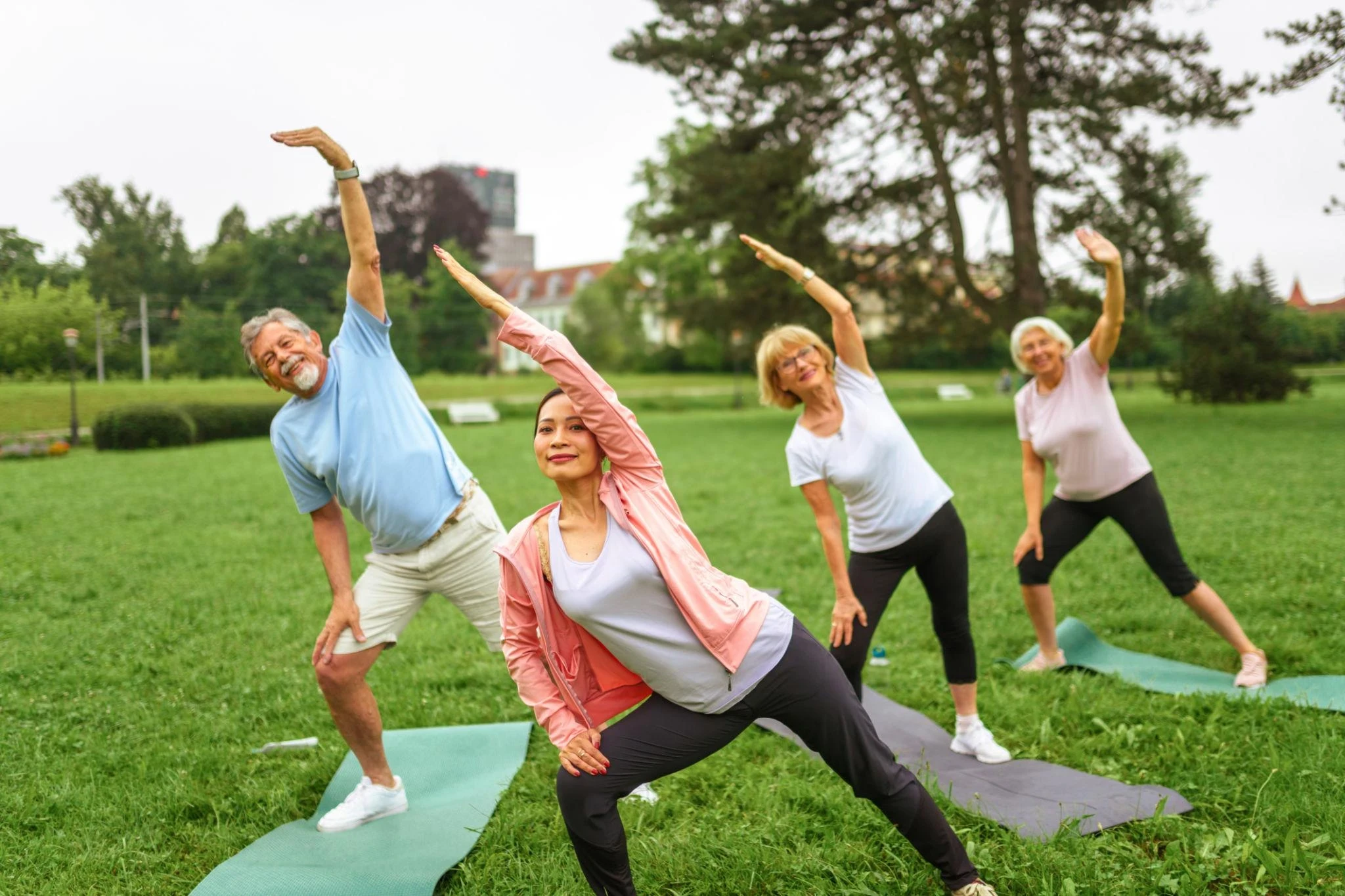
Age 60 Is Not the End—It’s a New Beginning
Turning 60 is one of life’s greatest milestones. Rather than seeing it as the beginning of old age, think of it as the start of a new chapter filled with wisdom, freedom, and opportunities to enjoy life more fully.
Many people mistakenly believe that reaching 60 means slowing down, becoming less active, or accepting declining health as inevitable. Fortunately, modern research tells a very different story. Today, many individuals in their 60s, 70s, and even 80s are living active, vibrant, and fulfilling lives.
Maintaining a healthy body at 60 is not merely about looking younger. It is about having the energy to pursue your passions, spend quality time with loved ones, travel, remain independent, and enjoy life to the fullest.
The good news? It’s never too late to improve your health. Small, consistent lifestyle changes can make a significant difference in your physical and mental well-being.
Why Exercise Becomes More Important After 60
Exercise is often called the closest thing to a fountain of youth—and for good reason.
As we age, our bodies naturally experience changes such as:
- Reduced muscle mass
- Lower bone density
- Slower metabolism
- Decreased flexibility
- Reduced cardiovascular endurance
However, regular physical activity can help slow down or even reverse many of these age-related changes.
Studies consistently show that active seniors enjoy:
✅ Better heart health
✅ Stronger muscles and bones
✅ Improved balance and coordination
✅ Reduced risk of chronic diseases
✅ Better sleep quality
✅ Enhanced mental health
✅ Increased longevity
Exercise isn’t about competing with younger people. It’s about maintaining your independence and quality of life for years to come.
Best Exercises For People Over 60
Not all exercises are created equal. The key is choosing activities that are effective while minimizing stress on your joints and reducing injury risks.
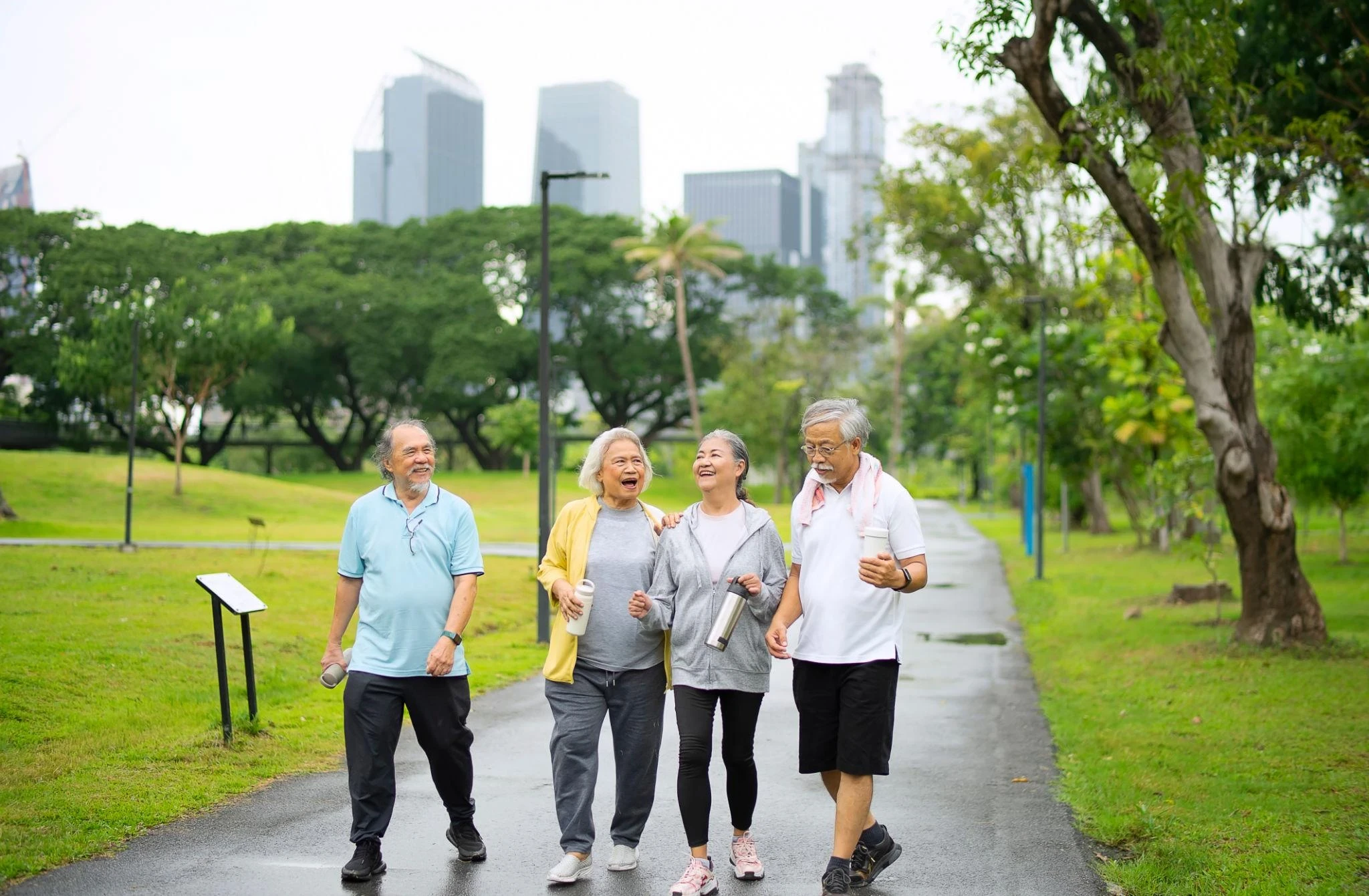
1. Walking
Walking remains one of the simplest and most effective exercises available.
Benefits include:
- Improved cardiovascular health
- Better mood and stress reduction
- Enhanced mobility
- Weight management
Aim for 30 minutes of brisk walking most days of the week.
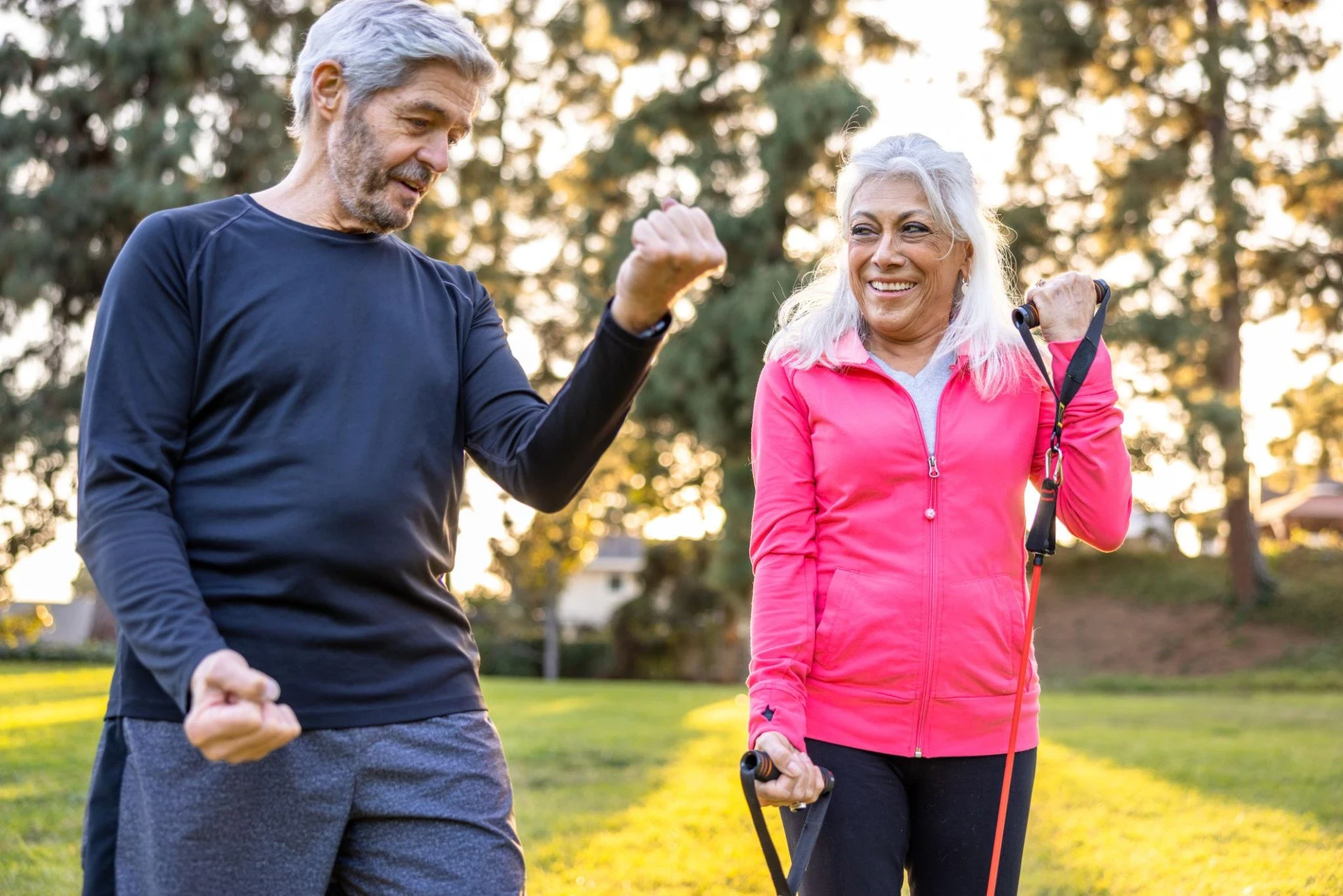
2. Strength Training
Many seniors avoid strength training because they believe it’s only for younger people. In reality, it’s one of the most important forms of exercise after 60.
Strength training helps:
- Preserve muscle mass
- Increase bone density
- Improve balance
- Prevent falls
- Enhance everyday functionality
You can use:
- Resistance bands
- Light dumbbells
- Bodyweight exercises
Start slowly and increase resistance gradually.
3. Swimming
Swimming provides a full-body workout without placing excessive strain on joints.
It is particularly beneficial for individuals suffering from:
- Arthritis
- Joint pain
- Back problems
The water supports your body while allowing muscles to work effectively.
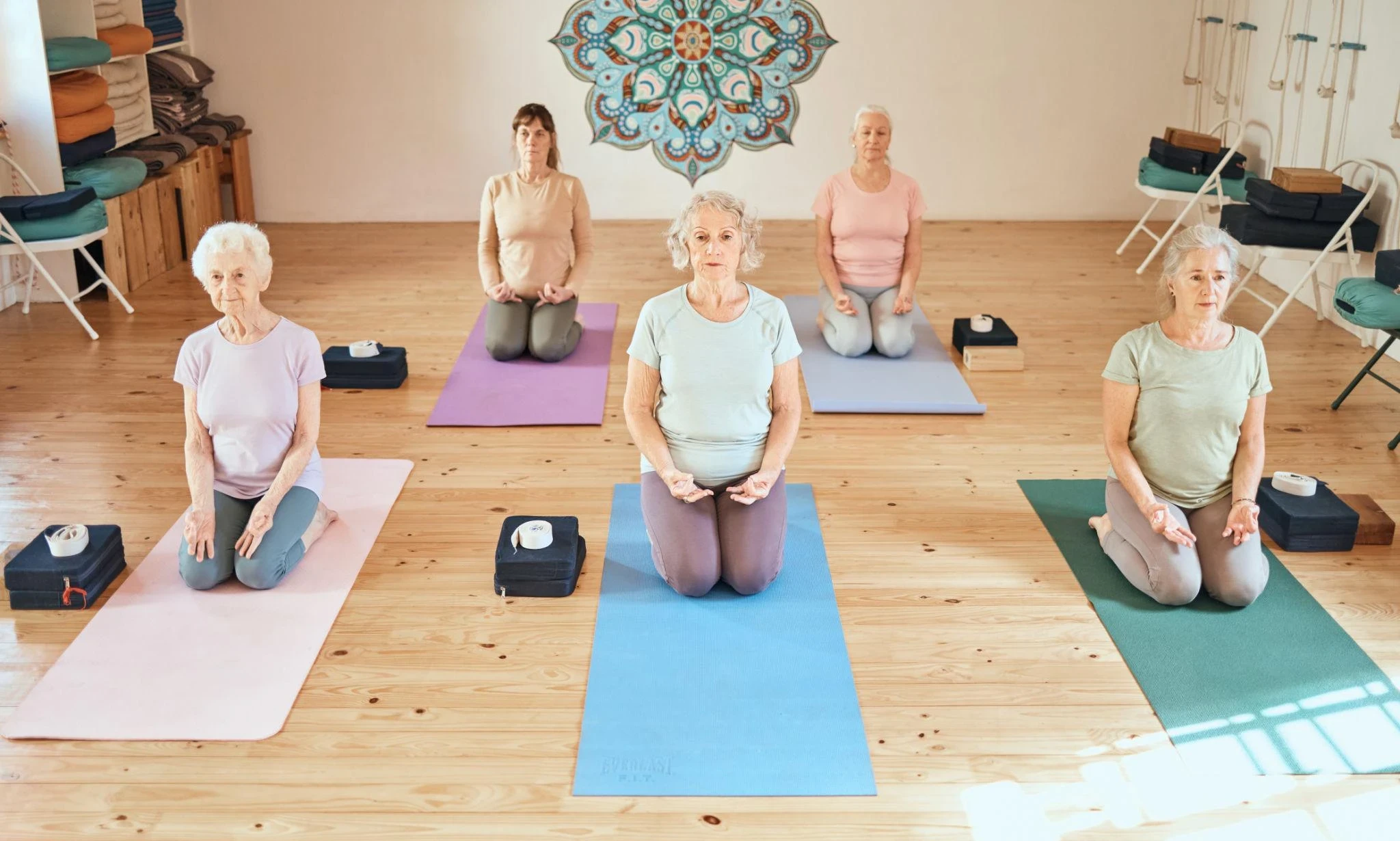
4. Yoga
Yoga improves:
- Flexibility
- Balance
- Mobility
- Mental relaxation
Many community centers offer beginner-friendly classes specifically designed for seniors.
5. Tai Chi
Often described as “meditation in motion,” Tai Chi combines gentle movements with deep breathing.
Research has shown it can:
- Improve balance
- Reduce fall risks
- Lower stress levels
- Enhance overall well-being
Many healthcare professionals recommend Tai Chi for older adults.
Creating An Exercise Routine That Works
One of the biggest mistakes people make is trying to do too much too quickly.
Instead:
Start Small
Begin with manageable goals:
- A 15-minute walk daily
- Two strength-training sessions per week
- One yoga class weekly
Focus On Consistency
Regular activity is more beneficial than occasional intense workouts.
A simple routine performed consistently can deliver remarkable results over time.
Mix Different Types Of Exercise
A balanced fitness plan should include:
- Cardiovascular exercise
- Strength training
- Flexibility work
- Balance exercises
This combination helps keep your entire body functioning optimally.
Listen To Your Body
Discomfort and soreness are normal when starting something new, but sharp pain is not.
Always consult a healthcare professional before beginning a new exercise program, especially if you have existing medical conditions.

Nutrition: Fueling Your Body After 60
Exercise is only half the equation. Proper nutrition plays a critical role in maintaining strength, energy, and overall health.
Prioritize Protein
Protein becomes increasingly important with age because it helps preserve muscle mass.
Excellent protein sources include:
- Fish
- Chicken
- Eggs
- Greek yogurt
- Tofu
- Beans and lentils
Try to include protein with every meal.
Eat Plenty Of Fruits And Vegetables
Colorful fruits and vegetables provide:
- Vitamins
- Minerals
- Antioxidants
- Fiber
These nutrients support immune health and help reduce inflammation.
Choose Whole Grains
Whole grains such as:
- Oats
- Brown rice
- Quinoa
- Whole wheat bread
provide sustained energy and support digestive health.
Stay Hydrated
Many older adults do not drink enough water.
Even mild dehydration can contribute to:
- Fatigue
- Dizziness
- Confusion
- Reduced physical performance
Make hydration a daily priority.
The Importance Of Rest And Recovery
Many people focus heavily on exercise while overlooking recovery.
Your body repairs and strengthens itself during rest—not during workouts.
Prioritize Quality Sleep
Adults over 60 should aim for approximately 7–9 hours of quality sleep each night.
Good sleep supports:
- Muscle recovery
- Brain function
- Immune health
- Emotional well-being
Schedule Recovery Days
Rest days are not a sign of weakness.
They help:
- Prevent injury
- Reduce fatigue
- Improve long-term consistency
Practice Stress Management
Chronic stress negatively affects both physical and mental health.
Consider:
- Meditation
- Deep breathing exercises
- Reading
- Gardening
- Spending time in nature
These activities can significantly improve overall well-being.
Staying Socially Active Matters Too
Health isn’t only physical.
Research consistently shows that maintaining strong social connections contributes to:
- Longer lifespan
- Better mental health
- Reduced risk of depression
- Improved cognitive function
Consider joining:
- Walking groups
- Fitness classes
- Volunteer organizations
- Community clubs
Building meaningful relationships can be just as beneficial as regular exercise.
Final Thoughts
Turning 60 does not mean slowing down—it means becoming smarter about how you care for your body and mind.
By focusing on regular exercise, balanced nutrition, adequate recovery, and strong social connections, you can continue to enjoy an active, healthy, and fulfilling life for decades to come.
Remember, healthy aging isn’t about adding years to your life alone—it’s about adding life to your years.
Start with one small positive change today, and your future self will thank you for it.