
Taking care of my health starts with making sure I get enough of the right foods and drinks every day. It can be tricky to know if I’m eating and drinking in a way that helps me feel my best, especially when there’s so much advice out there. Through my own routine, I’ve found that paying attention to my habits, recognizing what my body needs, and understanding basic nutrition really help. In this article, I want to share straightforward ways to check whether I’ve had enough to eat and drink to stay healthy and energized.
Understanding the Basics of a Healthy Diet
Eating enough is not just about calorie counts or filling my stomach. What I eat and drink affects my mood, energy, and how well I function throughout the day. Having a balance of proteins, carbohydrates, fats, vitamins, minerals, and fluids is the basis of good nutrition. This balance supports my body’s main functions, from keeping my muscles strong to helping my mind stay sharp and reducing the risk of getting sick.
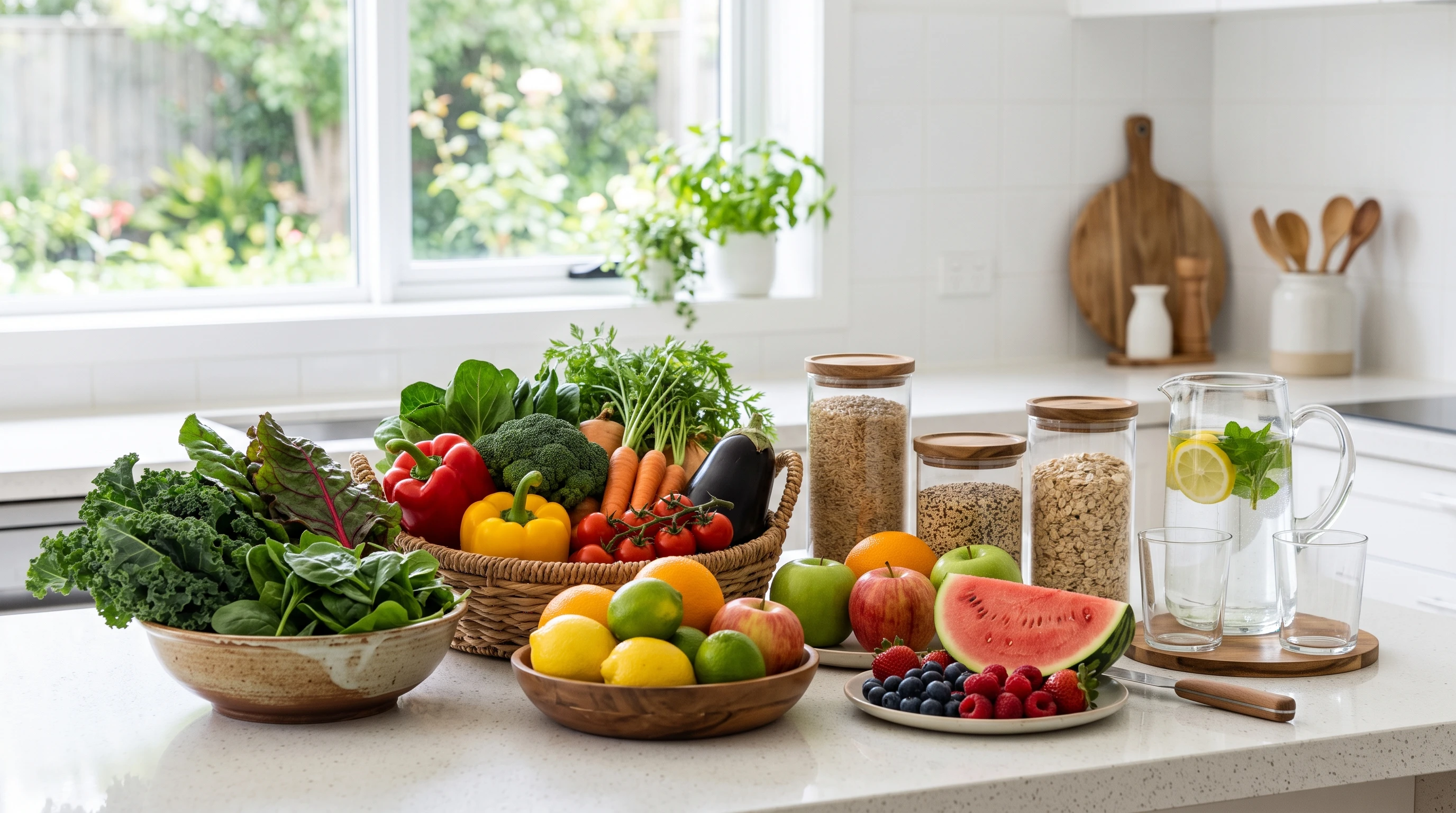
A healthy diet typically means regularly eating foods from the major food groups: fruits, vegetables, grains, protein sources, and dairy or their alternatives. Drinking enough water is just as important because nearly every process in my body relies on being properly hydrated.
Some people need more food than others based on their activity level, age, or health conditions. I find it helpful to use nutrition guidelines like the ones from the USDA My Plate or the World Health Organization for a general framework. These sources break down daily targets for each food group and provide simple meal planning tips that make structuring meals less stressful.
Getting Started: How to Check My Eating and Drinking Habits
Paying attention to my daily habits helps me catch patterns that impact how I feel. Here’s how I go about checking if I’m getting enough to eat and drink:
- Meal Frequency: I notice if I’m skipping meals or letting long gaps go by without eating. Consistent meals and snacks spread over the day maintain steady energy.
- Variety: Eating a mix of food colors and types every day usually means I’m covering a lot of the nutrients my body needs.
- Hydration: I keep an eye on how much water or healthy drinks I get, especially when it’s hot or I’m active.
- Listening to My Body: Checking how hungry or full I feel, and whether I’m tired, dizzy, or dealing with headaches, can be signs I need more or less fuel.
- Tracking Tools: Apps and journals, like My Fitness Pal or a simple notebook, are useful for logging what I eat and drink over several days.
Through these habits, I can adjust my routine before problems show up. If I notice that I’m lacking variety or that I’m often thirsty, I take small actions to give my diet a boost, such as packing an extra piece of fruit or keeping a water bottle at hand while working or exercising.
Quick Guide to Making Sure I’ve Had Enough
Ensuring I’m eating and drinking enough isn’t complicated when I use these practical steps every day:
- Plan Regular Meals and Snacks: I find three balanced meals and one or two snacks keep my energy steady.
- Include Different Food Groups at Each Meal: Mixing proteins, grains, fruits or vegetables, and a small amount of healthy fat gives my body what it needs.
- Watch My Portions: I serve myself moderate portions at first and let my hunger guide if I need more.
- Have Water with Every Meal and Snack: Keeping a water bottle or glass close by makes drinking easier.
- Check Physical Signs: If I feel cranky, tired, or my urine is dark yellow, I often need more water or a snack.
Using these steps gives me a good sense of how my daily diet supports my wellbeing and lets me make simple changes if something feels off. Keeping things flexible helps me stay in tune with my body’s signals, making adjustments as needed.
Things to Consider When Making Sure I’m Eating and Drinking Enough
There are certain situations that I watch for because they can affect how much or what I need to eat and drink. I think about the following:
- Busy Schedules: On hectic days, it’s easy to forget meals or rely on snacks that don’t keep me full for long.
- Special Diets: Eating vegetarian, vegan, gluten free, or following weightloss plans can mean I’m missing some nutrients if I don’t plan carefully.
- Physical Activity: Being more active, especially with sports, boosts my need for calories, protein, and fluid.
- Medical Conditions: Diabetes, digestive issues, or food allergies mean I have to pay extra attention to what I eat and drink and how my body responds.
- Aging: As I get older, my appetite sometimes drops, or I may need more of certain nutrients to stay healthy.
Busy Schedules and Skipping Meals
Sometimes I get caught up in work or errands and realize I’ve missed a meal. When this happens, my energy tanks, and I feel less focused. To stay on track, I:
- Prepare grabbango snacks like fruit, mixed nuts, or yogurt.
- Set reminders on my phone for mealtimes.
- Prepack lunches and snacks the night before a busy day.
Taking a few moments to plan prevents going too long without food and helps me avoid being distracted by hunger.
Following a Special Diet
If I’m avoiding certain foods for ethical, health, or personal reasons, I pay extra attention to possible nutrient gaps. For example, with a plant based diet, I make an effort to include sources of vitamin B12, iron, and protein like beans, tofu, fortified cereals, and leafy greens. I might talk to a dietitian for targeted advice if I’m not sure I’m getting everything my body needs. Having a printed chart or checklist can help me keep important nutrients top of mind.
Physical Activity
When I exercise more, I feel hungrier and thirstier, which is completely normal. I respond by adding an extra snack with protein after workouts, choosing foods that help muscles recover, and increasing my water intake. Before tough exercise, I might have a banana or a granola bar, and afterward, a glass of milk or a proteinrich snack. I also pay attention to signs such as muscle cramps or fatigue, which could mean I need to drink more water or get a little more food after heavy activity.
Medical Conditions
Health issues can make eating and drinking enough more complicated. For example, with diabetes, I aim for regular meals and snacks to keep my blood sugar steady. If I have allergies or intolerance, I make sure my replacements like oat milk for cow’s milk provide similar nutrition. If I have concerns, I always check in with my healthcare provider for guidance. Staying informed about my specific needs helps me avoid nutrient shortfalls and stay well-supported.
Aging and Appetite
As my family members have gotten older, I’ve noticed their appetite can get smaller, and chewing can be tougher. In these cases, we use more smoothies, soups, and nutrientdense snacks to help meet their needs. Simple changes like offering more soft foods or smaller, more frequent meals can make a big difference. If appetite remains low over time, seeking professional help is a good step.
Paying attention to these factors helps me adapt my routine as needed. Eating and drinking enough is different for everyone, and these details matter when making changes.
Advanced Tips and Healthy Eating Habits
Once I feel comfortable with my basic routine, I fine tune habits for even better health:
Eat Mindfully: I try to eat without distractions, enjoying every bite and noticing when I start to feel full. This helps keep me from overeating or overlooking hunger.
Include Protein and Fiber Often: Adding protein and fiberrich foods, like beans or whole grains, keeps me satisfied and supports good digestion. Simple switches, such as using whole wheat pasta or snacking on nuts, help me step up fiber and protein easily.
Plan for Variety: I rotate fruits, vegetables, whole grains, and proteins through my meals to keep things interesting and cover more nutrients. Mixing things up prevents boredom and makes shopping more fun too.
Pay Attention to Hydration: I start my day with a glass of water and sip throughout the morning. Flavored waters or herbal teas make drinking more enjoyable if I get tired of plain water. Having a water schedule helps ensure I drink enough over the course of the day, especially when I’m busy.
Check Labels for Hidden Sugar and Salt: When choosing packaged foods, I scan labels for added sugars and sodium since too much can sneak up on me. Choosing foods with simple ingredients and less processing helps here, and I do a quick check to keep my choices straightforward.
Making small improvements, like swapping out soda for water or adding veggies to sauces and stirfries, keeps my eating routine simple but effective. I remember that building better eating patterns is a process, not a quick fix. Over time, these habits build a foundation for longterm health and happiness.
The Basics: What Foods and Drinks Should I Prioritize?
To feel and stay healthy, I focus on the following groups most of the time:
- Fruits and Vegetables: Filling half my plate with a colorful mix covers many vitamins, minerals, and fiber.
- Whole Grains: I choose oats, brown rice, whole wheat bread, or quinoa for longlasting energy.
- Protein: Lean meats, eggs, beans, tofu, and dairy supply the building blocks my body uses for repair and growth.
- Dairy or Alternatives: These provide calcium and vitamin D for bone health. When I pick alternatives, I look for ones fortified with nutrients like regular milk.
- Healthy Fats: Nuts, seeds, olive oil, and avocados offer good fats that support my mind and heart.
- Water: Topping off my meals and snacks with water helps every system in my body run smoothly, and reminds me to stay hydrated without overthinking it.
For real-life meal examples, I might make a vegetable stirfry with brown rice, tofu, and a splash of sesame oil, serving fresh fruit on the side and water to drink. Or, in the morning, I enjoy oatmeal with berries, some nuts, and lowfat milk. These combinations keep things balanced and tasty while hitting various nutrition targets.
Frequently Asked Questions
Here are some questions I’ve been asked about making sure I eat and drink enough for my health:
Question: How can I tell if I’m not eating enough?
Answer: Common signs include feeling tired, getting sick more often, losing weight without trying, or noticing changes in mood. Keeping a simple log of meals for a few days and checking it against general nutrition guidelines can reveal if I’m not eating enough. If these signs happen regularly, reaching out to a health professional is a good move.
Question: How much water do I need each day?
Answer: It depends on my age, activity, and climate, but a general target is about 8 cups (about 2 liters) for most adults. If I’m active or it’s hot, I drink more. Checking my urine color is also handy; very pale is a good sign, and dark yellow means I likely need more water.
Question: Do I need supplements if I eat a balanced diet?
Answer: Usually, I don’t need vitamin or mineral supplements if my meals are varied and balanced. However, situations like pregnancy, older age, or medical issues may require certain supplements. I always talk to my doctor before adding any, since overdoing supplements can also have downsides.
Question: What should I do if I lose my appetite?
Answer: I stick to small, regular meals, try soft or easy-to-eat foods, and include favorites to make eating more appealing. If appetite loss lasts more than a week or is linked with other symptoms, I reach out to my healthcare provider. Getting help early often prevents little problems from turning into big ones.
Key Points to Keep Myself on Track
Maintaining a steady routine with food and drinks really helps me feel my best all day. I make sure meals and snacks cover variety and nutrition, keep water nearby, and pay attention to signals from my body. If I ever feel off, I look back at what I’ve eaten and drunk, and make simple changes. When in doubt or if I run into health questions, I check in with a professional for advice.
Eating well isn’t just about restriction or strict rules. It’s about supporting my body so I can focus on what’s important to me, with enough energy, focus, and resilience to handle whatever the day has in store. Taking care of these basics sets me up for a healthier, more enjoyable life every single day.