
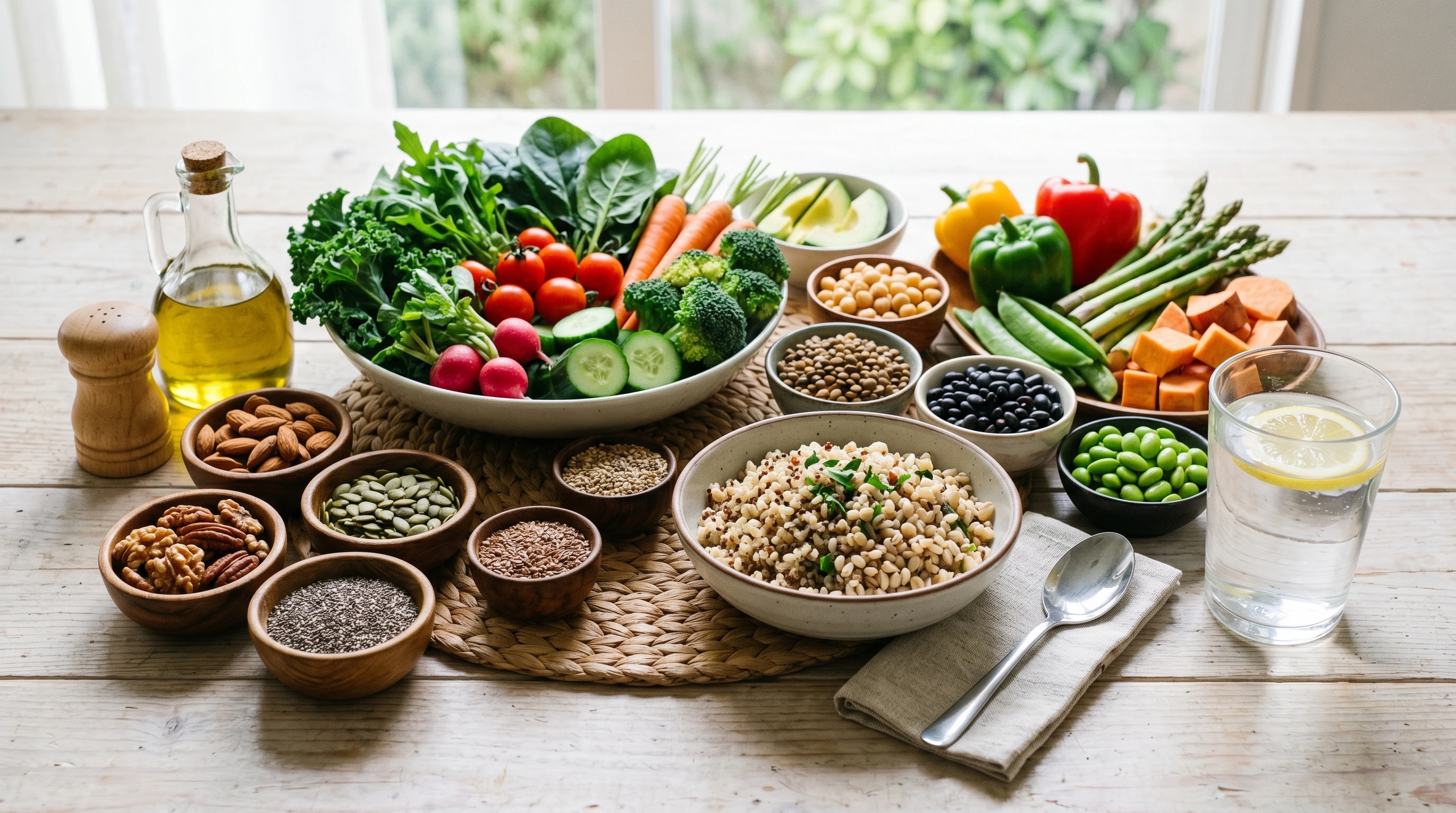
Many people believe that if you have diabetes, your health can only get worse and more medication is just part of the future. I’ve learned from experience and research that this does not have to be the case. With a smart system, proper structure, and the right support, living well with diabetes becomes doable for most people. Choosing the right foods and having healthy habits each day can help improve blood sugar, boost your energy, make it easier to manage weight, and even help reduce the need for medicine in some situations.
Random diets or guessing at what to eat usually lead to frustration and poor results. What actually helps is finding a system that works for your lifestyle and sticking with it, step by step. Here’s my all-in-one guide to making food choices and daily habits that help diabetes patients feel better and have more control.
Step 1: Understand What Your Body Needs
Managing diabetes starts with understanding what affects your blood sugar. Carbohydrates, the type and amount of fat you eat, protein, fiber, sleep, exercise, and stress all play a role. Getting your head around these things doesn’t require special talent; just a little time to learn the basics.
Key questions I ask myself:
- What foods or meals make my blood sugar go up quickly?
- How do I feel after eating certain foods?
- What is my usual portion size for carbs, and how does it affect my numbers?
- How much exercise am I getting in a normal week?
- Am I often stressed, and does this make my blood sugar less stable?
Popular nutrition goals for diabetes patients:
- Choose slowdigesting (low glycemic index) carbohydrates.
- Keep portions controlled, especially for calories and carbs.
- Eat regular meals and avoid skipping meals or long fasting.
- Balance each meal with some protein and healthy fats.
- Eat more vegetables and highfiber foods each day.
Taking a little time to notice patterns can help you figure out a starting point. You can read more about the connection between blood sugar and food choices at the American Diabetes Association (https://www.diabetes.org/nutrition).
Step 2: Pick the Right Carbohydrates
Carbohydrates have the biggest and fastest impact on blood sugar. But carbs are not enemy number one; in fact, some are really useful. The key is to pick the type and the amount that fits your needs.
Simple ways I choose better carbs:
- Favor whole grains and highfiber options: I eat brown rice, quinoa, barley, and whole wheat bread instead of white bread or white rice.
- Choose beans, lentils, and chickpeas: These provide protein and slowdigesting carbs.
- Limit sweetened drinks and desserts: These spike my blood sugar and offer little other benefit.
- Keep an eye on fruit choices: I choose berries, apples, and pears more often, since they have fiber and a lower glycemic impact compared to bananas or fruit juice.
How I track portions:
- Use my hand as a guide; a closed fist is roughly a serving of cooked grains or pasta.
- Read food labels for total carbohydrates, not just sugar.
By making small changes to the kind of carbs I eat and the portions I choose, I see steadier blood sugar levels throughout the day.
Many dietitians suggest using visual cues or kitchen tools to measure portions. For instance, a measuring cup or a food scale can help doublecheck serving sizes at home, especially when starting. This habit becomes easier over time and helps keep meals in balance without needing to obsess over numbers at every meal.
Switching to fiberrich carbs can also make you feel fuller for longer, stepping up your ability to avoid unnecessary snacking between meals.
Step 3: Focus on Protein and Healthy Fats
Adding protein and healthy fats helps keep me full and stops my blood sugar from rising sharply after meals. I try to build each meal around a source of protein, like:
- Eggs
- Fish (especially salmon, sardines, tuna)
- Lean chicken or turkey
- Greek yogurt or cottage cheese
- Tofu and tempeh if I want a plantbased option
For healthy fats, I reach for:
- Avocados
- Olive oil for cooking or on salads
- Small portions of nuts or seeds
- A few slices of fatty fish each week
These foods are satisfying and help keep my energy up, especially when I combine them with lots of nonstarchy veggies like spinach, broccoli, and bell peppers.
It’s also valuable to experiment with different plantbased proteins, such as lentils and edamame. Including a mix of animal and plantbased choices can keep meals interesting while still supporting blood sugar balance. Replacing processed meats with healthier options is another simple way to boost your nutrient intake and lower bad fats.
Step 4: Make a Simple Meal Plan
Random meals lead to random blood sugar readings, at least, that’s how it works for me. A simple meal plan makes a big difference. I don’t need piles of recipes or a fancy app; just a short list of meals that I know are balanced and quick to make.
How I build my meal plan:
- Pick a breakfast I can eat most mornings and that keeps my sugar stable, like eggs and spinach or Greek yogurt with nuts and berries.
- Create a lunch template that covers protein, veggies, and slow carbs.
- Dinner focuses on grilled or baked protein, two types of vegetables, and a healthy starch (like sweet potato or quinoa) in a small portion.
- Plan snacks; like a cheese stick, a handful of nuts, veggie sticks and hummus, or cottage cheese with tomato, so I don’t reach for packaged sweets.
When I stick to a plan (even if it’s very basic), it becomes easier to shop, prepare meals, and avoid choices that mess up my blood sugar later.
One extra tip is to prep ingredients for multiple meals at once. Chopping onions, peppers, and greens in advance, or batchcooking chicken, can smooth the way during busier days. Freezer meals based on healthy homemade recipes can be a real lifesaver for weeks when motivation or time is low.
Step 5: Watch Out for Sneaky Sugar and Processed Foods
I was surprised at how much sugar is added to foods that don’t taste sweet. Things like canned soups, salad dressings, and even some wholegrain breads can be sources of hidden sugars. Processed foods often have extra salt and fat too, which isn’t great for diabetes management.
Easy ways to spot hidden sugar and carbs:
- Read labels and ingredients; look for words like syrup, cane juice, maltodextrin, or fruit juice concentrate.
- Choose foods with five ingredients or fewer when possible, and skip products with a long list of chemicals or unfamiliar additives.
- Make quick versions of things at home; like salad dressings with olive oil, lemon juice, and mustard instead of the bottled kind.
By focusing on whole foods and limiting packaged snacks, my energy is more stable and my cravings fade. More about reading nutrition labels is available at FDA Nutrition Facts Label Guidance.
Cooking simple meals from scratch doesn’t have to be complicated. For instance, roasting a tray of vegetables or making an easy homemade chili can save time in the long run. Encouraging family members to join in can make the experience more enjoyable. Getting familiar with ingredient lists is a skill that pays off—you’ll quickly learn to spot sneaky sugars and choose better options.
Step 6: Develop Smart Eating Habits
What and how you eat both matter for diabetes management. I’ve found that my approach to meals is as important as the foods I put on my plate.
Habits that really help me:
- Try to eat at regular times each day, aiming to avoid long gaps between meals.
- Eat slowly and chew well so I can notice when I’m full.
- Drink water or unsweetened tea instead of juice or soda.
- Avoid eating late at night, when my body is winding down and blood sugar control gets tougher.
When I pay attention to these habits, I don’t feel the need to overeat, and my blood sugar doesn’t swing around as much.
Building a mealtime routine is helpful. Taking a few deep breaths or saying thanks before eating can slow the pace and help you tune in to hunger signals. Bringing mindfulness to meals also means fewer distractions, like TV or phones, which can reduce accidental overeating and help with digestion too.
Step 7: Move Your Body Every Day
Exercise has a huge effect on insulin and blood sugar. You don’t have to join a gym or train for a marathon. Walking every day, doing simple stretches, or taking stairs instead of the elevator all count.
Activities that work for me:
- Brisk walking for 20–30 minutes after a meal helps lower my postmeal blood sugar.
- Bodyweight exercises at home, like squats, pushups, or wall sits, make my muscles use blood sugar for energy.
- Short dance breaks or playing with my kids in the yard keep things fun.
The goal is simple: move more and sit less. Even a few minutes at a time adds up. The CDC explains more about safe exercises for diabetes at CDC Diabetes Physical Activity.
Staying active helps your body use insulin better, lowers stress, and supports a healthy mindset. If you struggle with motivation, try pairing movement with something enjoyable, like music or spending time with a friend. Changing up workouts now and then prevents boredom and keeps you interested in making movement a daily part of life.
Step 8: Manage Stress and Get Enough Sleep
Stress and tiredness mess with my hormones, which makes it harder to control blood sugar. Calming routines and regular sleep have made a noticeable difference for me.
My favorite ways to handle stress and sleep better:
- Spending quiet time reading or listening to music in the evenings
- Starting a simple breathing or meditation practice, even five minutes helps
- Going to bed at the same time most nights
- Keeping devices out of the bedroom when possible
I notice that my morning blood sugar readings are better after a good night’s rest and a calm evening. Healthline has a good breakdown of the diabetes and sleep connection: Healthline: Diabetes and Sleep.
If you find it tough to fall asleep or wake up worried about blood sugar, keeping a simple sleep log can help uncover disruptive patterns. Sometimes, relaxing herbal teas or gentle evening stretching help calm both body and mind. Managing stress during the day—by taking breaks or practicing gratitude—also supports better sleep at night.
Step 9: Build a Support System
It’s easier for me to make healthy choices when I feel supported. I have family members who know my goals, friends willing to walk with me, and a diabetes care team I can email with questions. I also find helpful tips from diabetes groups on social media, but I doublecheck information with my healthcare provider.
Different ways I find support:
- Share my meal plan or food choices with someone I trust
- Join an online diabetes education group for tips and encouragement
- Have a monthly checkin with my doctor to track my progress
- Celebrate small wins, like stable blood sugars for a whole week or saying no to tempting sweets at a party
Having support makes it less lonely, and I’m more likely to stick with healthy habits. Reaching out to a support group or online community can inspire ideas and help you stick with new routines, especially during tough patches. Sometimes, just knowing that others are facing similar challenges can give you the boost you need to keep trying.
Questions & Troubleshooting: Common Diabetes Food and Lifestyle Concerns
What if I have cravings for sweets?
I keep lowcarb snacks on hand, drink water, and give myself permission to have a small treat now and then, but I try to pair it with protein or fiber to avoid big blood sugar spikes. Each person’s needs are different, so working with a diabetes educator can provide more options. Sometimes, experimenting with naturally sweet foods, such as fruit with a little nut butter, can satisfy the craving and help keep things under control.
What if my time is short for planning healthy meals?
- Pick just two or three breakfasts, lunches, and dinners to rotate each week.
- Prep basics ahead, like chopping vegetables or portioning out nuts into bags for grabandgo snacks.
- Look for healthy freezer meals if cooking feels overwhelming.
Batchcooking stews, roasting veggies, or grilling chicken for the week’s lunches is a time saver. Using leftovers for new meals—like adding cooked veggies to omelets or wraps—keeps things fresh without extra effort. Shopping with a list based on your basic meal plan avoids impulse buys and saves time at the store.
Is it too late to change my eating habits?
I’ve learned that progress is possible at any stage. Even small changes help, so I focus on just one or two things at a time and don’t stress if I slip up once in a while. Every healthy choice adds up. If you’re older or have had diabetes for years, making changes—no matter how small—can still give a boost to your wellbeing and health. It’s never the wrong time to start looking out for your future self.
What if my blood sugar keeps going up, even when I eat well?
Sometimes, medication adjustments or other health issues matter. I find it helpful to track meals and blood sugar readings to spot patterns. I always check in with my healthcare provider if I’m not seeing the results I expect. More troubleshooting tips are available at Joslin Diabetes Center: Managing Blood Glucose.
Be sure to also track stress, sleep, and activity levels—these can play a surprise role in blood sugar changes. Your doctor can help fine-tune your plan and spot anything that needs medical attention beyond food alone.
Final Thoughts and Practical Next Steps
I find the best results come from having a plan, making small steady improvements, and being kind to myself during setbacks. The system that works is the one that is easy for you to follow, not the one that sounds the fanciest on paper. Personal motivation, the right structure, and support help me make the right choices most days. Over time, the changes I used to struggle with become part of daily life.
Personal action plan:
- Pick one or two food swaps to try with your next meal; for example, swap white rice for quinoa or grab a veggie stick instead of a cookie.
- Build in a daily walk or short exercise session, even if it’s only 10–15 minutes. Start small and tack on more as you feel ready.
- Ask family or friends to help you stick to a meal plan or join you in healthier eating. Support can make change far more successful.
With steady progress, eating right and making healthy lifestyle habits can lead to more energy, better blood sugar readings, and an easier time managing diabetes every week. Remember to celebrate your wins, no matter how small, and check in with your healthcare provider to keep your plan on track. Over time, healthy choices stack up and make a big difference for your life with diabetes.