
Managing your food intake is one of the best ways I’ve found to keep diabetes under control. Learning how to balance meals, watch portions, and choose the right snacks doesn’t just help with blood sugar. It can also help you feel more energetic and less stressed about your health. Here’s my take on how to make eating with diabetes less overwhelming and a whole lot more doable.
Why Food Choices Matter for Diabetes
Diabetes isn’t just about cutting sugar. It also means understanding how different foods affect your body. Carbohydrates, protein, and fat all play different roles in blood glucose levels. When you have diabetes, the body either can’t make enough insulin or can’t use it well, making your food choices super important.
The rise in diabetes worldwide means a lot more people are paying attention to nutrition labels and what goes on their plates. According to the CDC, over 37 million Americans have diabetes today. While some people manage their blood sugar with diet and exercise alone, others need medications or insulin. No matter where you fall, controlling your food intake helps keep daily life smoother.
Meals that blend complex carbs, lean protein, and healthy fats keep glucose more stable. Focusing on fiber-rich foods, natural ingredients, and balanced portions is a game changer, especially when you’re starting out. It makes the overall experience of eating with diabetes less stressful and more enjoyable.
Building a Diabetes Friendly Plate
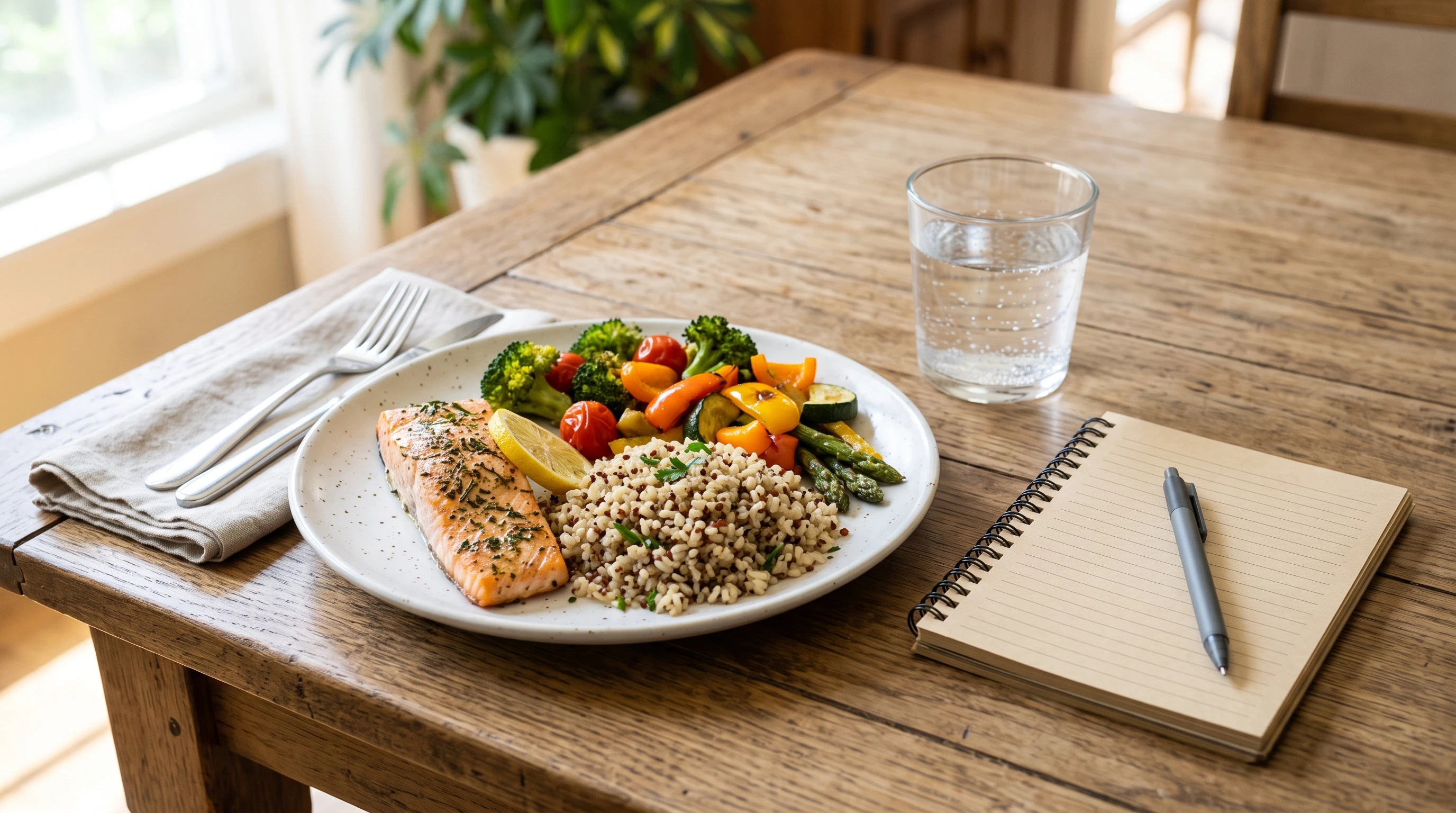
Getting a handle on what to eat starts with building balanced meals. I like using the “plate method” because it’s simple and visual. Here’s how I usually set it up:
- Half of the plate: Nonstarchy veggies like broccoli, bell peppers, spinach, or salad greens
- One quarter: Lean protein such as grilled chicken, tofu, beans, or fish
- One quarter: Whole grains or starchy veggies like brown rice, quinoa, or sweet potatoes
This combo helps control blood sugar spikes, keeps you full, and fits nearly every meal style. Whether you’re at home, out with friends, or grabbing takeout, you can use this simple structure to guide your choices.
Watch out for hidden carbs in sauces, breaded foods, or even some soups. Reading labels or checking nutrition facts when you’re not sure can save you from surprise glucose jumps.
Understanding Carbohydrates and Glycemic Index
Not all carbs act the same. Some raise blood sugar really fast, while others are slower and steadier. That’s where the glycemic index (GI) comes in. High GI foods like white bread or sugary drinks spike your blood sugar quickly. Low GI foods, like lentils, apples, or whole wheat products, release their energy slower and make things more manageable.
I usually keep these tips in mind:
- Focus on whole grains instead of white flour
- Pick fruits over juice. The fiber helps slow things down.
- Use beans, lentils, or chickpeas as protein and carb sources
- Pair carbs with protein or healthy fat to reduce glucose spikes
Making switches to naturally low GI options like berries, nuts, or yogurt helps a lot. It adds variety and reduces the risk of blood sugar swings.
Controlling Portion Sizes
Sometimes it’s not even what you eat, but how much. Portion control is a key tool in diabetes management, especially when facing a buffet, party, or just a really hungry day.
I use these tricks that are pretty handy:
- Use smaller plates or bowls so portions appear bigger
- Fill half your plate with veggies first
- Measure rice, pasta, and cereals with a measuring cup. Even just once helps get a sense for serving sizes.
- Slow down and put your fork down between bites
- Wait about 10 minutes before going for seconds; you may feel fuller than you expect
Tuning into your hunger and fullness signals makes a big difference. Mindful eating, just paying attention while you eat, can help you catch yourself before you overdo it.
Meal Planning and Preparation
Meal planning isn’t about complicated diets or cooking fancy recipes every day. I find that keeping a weekly plan and prepping simple ingredients ahead of time helps a ton. The process makes healthy eating easier on busy days and keeps you on track.
- Pick a theme for each night (like stirfry, taco, or soup night)
- Shop with a list based on your meal plan, not just cravings
- Batch-cook grains, proteins, and veggies to mix and match during the week
- Portion out snacks (nuts, fruit, veggies) so they’re ready to grab
- Double-check your plan against blood glucose readings and adjust as needed
When you plan ahead, you’re much less likely to reach for processed snacks or get stuck with less healthy takeout. Plus, checking which foods work best for your body gets a lot easier and you start to spot patterns in your blood sugar responses.
Foods Worth Adding to Your Routine
Variety makes eating for diabetes more enjoyable. Some foods stand out as diabetes superstars because they support steady blood sugar, provide plenty of nutrients, and taste great:
- Leafy greens (spinach, kale, chard): Super low in carbs and packed with nutrients
- Berries: Fiber-rich and sweet without huge glucose spikes
- Nuts and seeds: Healthy fats, a dose of protein, and they fight hunger
- Beans and lentils: Protein and slow-release carbohydrates all in one
- Greek yogurt: High protein, works for breakfast or snacks
- Avocado: Full of fiber and healthy fat, ideal for salads or toast
- Quinoa and brown rice: Better options than white rice or regular pasta
You don’t need to switch up your whole pantry at once. Just begin working these ingredients in where you can, and build meals around them. Remember, small changes add up.
Foods to Limit or Skip (Most of the Time)
Being realistic goes a long way, so I never say you have to ‘ban’ anything for life. Still, these foods tend to make blood sugar trickier to manage:
- Sugary drinks (soda, fruit juices, sweetened teas)
- White bread, bagels, and regular pasta
- Processed snacks (chips, storebought cookies, pastries)
- Fullfat dairy (large amounts of cheese, ice cream)
- Fried foods and fast food meals
If you do splurge, it’s helpful to pair these with fiberrich veggies or healthy protein to lessen the blood sugar impact a bit. Planning for treats instead of making them an everyday habit works much better.
Keeping Snacks Diabetes Friendly
Snacks can be a source of energy and also a real pitfall if you’re not prepared. I’ve learned to stash reliable options so hunger never leads to something I’ll regret later. Over time, snacking smart becomes second nature.
- Carrot sticks, cucumber slices, cherry tomatoes
- A handful of almonds, walnuts, or pumpkin seeds
- String cheese or a bit of cottage cheese
- Plain popcorn with just a touch of salt
- Slice of apple with peanut butter
Pairing a carb with protein (like crackers and cheese or fruit and yogurt) keeps you fuller and avoids sharp blood sugar spikes that plain carbs can cause. Also, prepping snacks in advance makes it much easier to stick to good choices.
Understanding Nutrition Labels
Nutrition labels pack a lot of info, but you don’t have to be a dietitian to make sense of them. Checking labels helps you avoid hidden sugars and serve yourself the right portions. I look at:
- Serving size: Is that “120 calories per serving” for a tiny halfcup portion?
- Total carbohydrates: This includes sugars and fiber
- Added sugars: Lower is better for steady blood glucose
- Fiber: The higher, the better for blood sugar
Watch out for ‘healthy’ claims like ‘multigrain’ that sometimes just mean processed flour with a few oats thrown in. The ingredient list shows what’s actually in your food, listed from most to least. With a bit of practice, reading labels can really help you spot better options.
Handling Eating Out and Special Occasions
Dining out with diabetes doesn’t mean always saying no to dessert or going hungry at a party. A little planning and some easy strategies make it manageable, even when you’re celebrating or eating on the go.
- Check menus online ahead of time to spot the best options
- Don’t skip meals before a big event. Arriving super hungry makes portion control tough.
- Start with a salad or brothbased soup
- Share your entree or dessert
- Ask for dressings, sauces, or cheese on the side
- Drink water or unsweetened drinks instead of soda or cocktails
Being confident about asking for substitutions or prepping a snack in advance makes social eating less stressful. You can usually add extra veggies or swap a side dish for salad, even at quickservice restaurants.
Biggest Mistakes to Avoid When Managing Food Intake
- Skipping meals, which can lead to blood sugar dips and overeating later
- Basing your whole diet on lowcarb foods with no variety
- Ignoring snacks, then getting too hungry and making impulsive choices
- Not checking in on your blood glucose after new foods
- Letting “diet fatigue” make you give up planning altogether
Taking small, consistent steps usually works a lot better than trying to be perfect every day. Keep aiming for progress instead of perfection.
Using Technology for Food Tracking and Diabetes Management
Smartphone apps and tech gadgets make tracking food intake and blood sugar easier. Apps like MyFitnessPal or Carb Manager let you log meals, break down nutrition facts, and even scan barcodes. Many glucometers now sync with apps automatically, so you don’t have to write everything down.
Putting a food and glucose log to work for a week or two gives a stronger sense of which foods help and which to switch up. Even snapping a photo of meals can help spot hidden trends or gradual portion increases. The more you track, even temporarily, the more in control you’ll feel over your choices.
Busting Myths About Diabetes and Diet
There are quite a few myths floating around about eating for diabetes. I’ve heard everything from “you can never have bread again” to “fruit is totally offlimits.” The truth is, balance works better than restriction. A small dessert here and there, or an occasional slice of pizza, doesn’t hurt the big picture if you make a plan for it.
Foods labeled ‘diabetic’ or ‘sugarfree’ aren’t always healthier. Many swap sugar for sugar alcohols, which can still impact blood sugar and sometimes bother your stomach. It’s always better to aim for simple, real ingredients whenever possible.
What to Do When Blood Glucose Goes High or Low
Sometimes, even when you do everything right, blood sugar still sneaks up or drops too low. Knowing how to adjust your food intake can help you get back on track faster:
- If blood sugar drops: Keep quick carbs handy, such as juice, glucose tabs, or fruit. Avoid overeating to correct a low.
- If blood sugar spikes: Drink water, go for a walk, and take note of what caused the spike so you can adjust your next meal or snack.
Having these strategies ready can make daily management feel less overwhelming and more predictable.
Frequently Asked Questions
Here are a few things people often ask about eating for diabetes:
Question: Do I have to give up all sweets forever?
Answer: Not at all. Small amounts of sweets can fit into your plan, as long as they’re balanced out with healthy meals and you keep an eye on portions and your numbers.
Question: How often should I check my blood sugar after eating?
Answer: Most people check one or two hours after a meal to see how different foods affect them, especially when trying new things or adjusting meds.
Question: Is eating late at night always bad?
Answer: It depends on what’s eaten and how it fits into your overall meal plan. Light, balanced snacks are better than heavy, fatty, or sugary foods before bed.
Question: Can I eat carbs if I have diabetes?
Answer: Carbs are totally fine. They’re a normal part of any diet. The trick is to choose complex carbs, watch portions, and pair them with protein and fiber for balance.
Question: How can I handle cravings?
Answer: Sometimes cravings mean you’ve waited too long between meals, or that your meals aren’t filling enough. Adding more protein and fiber, drinking water, or distracting yourself for 10 minutes usually helps.
Everyday Wins: Making Food Choices Second Nature
Managing food intake with diabetes is really about making small, steady changes that add up over time. Instead of looking for the “perfect” diet, focus on what works for your body, your schedule, and your taste buds. Celebrate every healthy swap, every balanced meal, and each step toward steady blood_sugar. With a little planning, some trial and error, and practical habits, eating with diabetes becomes less intimidating and a whole lot more rewarding.