


Introduction
In today’s fast-paced world, achieving a healthy work-life balance can feel like an impossible goal. Between demanding workloads, family responsibilities, social commitments, and the constant stream of notifications from our devices, it’s easy to feel overwhelmed and stretched too thin.
Many people believe work-life balance means splitting time equally between work and personal life. In reality, true balance is about creating a lifestyle where both your professional and personal priorities receive the attention they deserve—without leaving you feeling exhausted, stressed, or burnt out.
The good news is that achieving work-life balance doesn’t require a complete life overhaul. Small, intentional changes to your habits, routines, and mindset can make a significant difference. By setting healthy boundaries, prioritizing what truly matters, and making time for self-care, you can create a more fulfilling and less stressful life.
In this guide, you’ll discover practical strategies to help you regain control of your time, reduce stress, and enjoy both your career and personal life more fully.

1. Define What Work-Life Balance Means to You
One of the biggest misconceptions about work-life balance is that there is a universal formula that works for everyone. The truth is that balance looks different depending on your career, family situation, health, goals, and personal values.
For some people, balance means spending evenings with family. For others, it may mean having uninterrupted weekends, pursuing hobbies, or simply having enough time to relax.
Before making any changes, take a moment to define what balance means in your own life.
Questions to Ask Yourself
- How many hours do I currently spend working each week?
- Do I have enough time for family, friends, and personal interests?
- What activities help me recharge physically and mentally?
- What areas of my life feel neglected?
- What would an ideal week look like?
Writing your answers down can help you identify gaps between your current lifestyle and the life you want to create.

Warning Signs Your Balance Is Off
You may need to reassess your work-life balance if:
- You constantly think about work after office hours.
- You feel guilty when taking breaks.
- You regularly cancel personal plans because of work.
- You struggle to focus or stay motivated.
- You frequently feel exhausted or emotionally drained.
Recognizing these signs early can help prevent burnout before it becomes a serious problem.

2. Set Healthy Boundaries and Stick to Them
Boundaries are essential for protecting your time, energy, and mental well-being.
Without clear boundaries, work can easily spill into your evenings, weekends, and family time. Over time, this creates stress and resentment.
Effective Boundary-Setting Strategies
Establish Working Hours
Decide when your workday begins and ends, and make a conscious effort to stick to those times.
Limit After-Hours Communication
Avoid checking emails or responding to work messages late at night unless absolutely necessary.
Using “Do Not Disturb” mode on your phone can be extremely helpful.
Create a Dedicated Workspace
If you work remotely, designate a specific area for work. This helps your brain separate work mode from personal time.
Schedule Personal Time
Treat exercise, family activities, hobbies, and relaxation with the same importance as business meetings.
Helpful Phrases
- “I’ll handle that first thing tomorrow morning.”
- “I’m unavailable this evening but will respond tomorrow.”
- “Can we schedule this for another time?”
The more consistently you enforce your boundaries, the more others will respect them.

3. Focus on What Truly Matters
Many people confuse being busy with being productive.
The reality is that not every task deserves equal attention.
When everything feels important, stress increases and productivity decreases.
Prioritization Techniques
Start by listing all your responsibilities and commitments.
Then categorize them into:
- High Priority
- Medium Priority
- Low Priority
Ask yourself:
- What tasks create the greatest impact?
- What activities align with my long-term goals?
- What can be delegated or postponed?
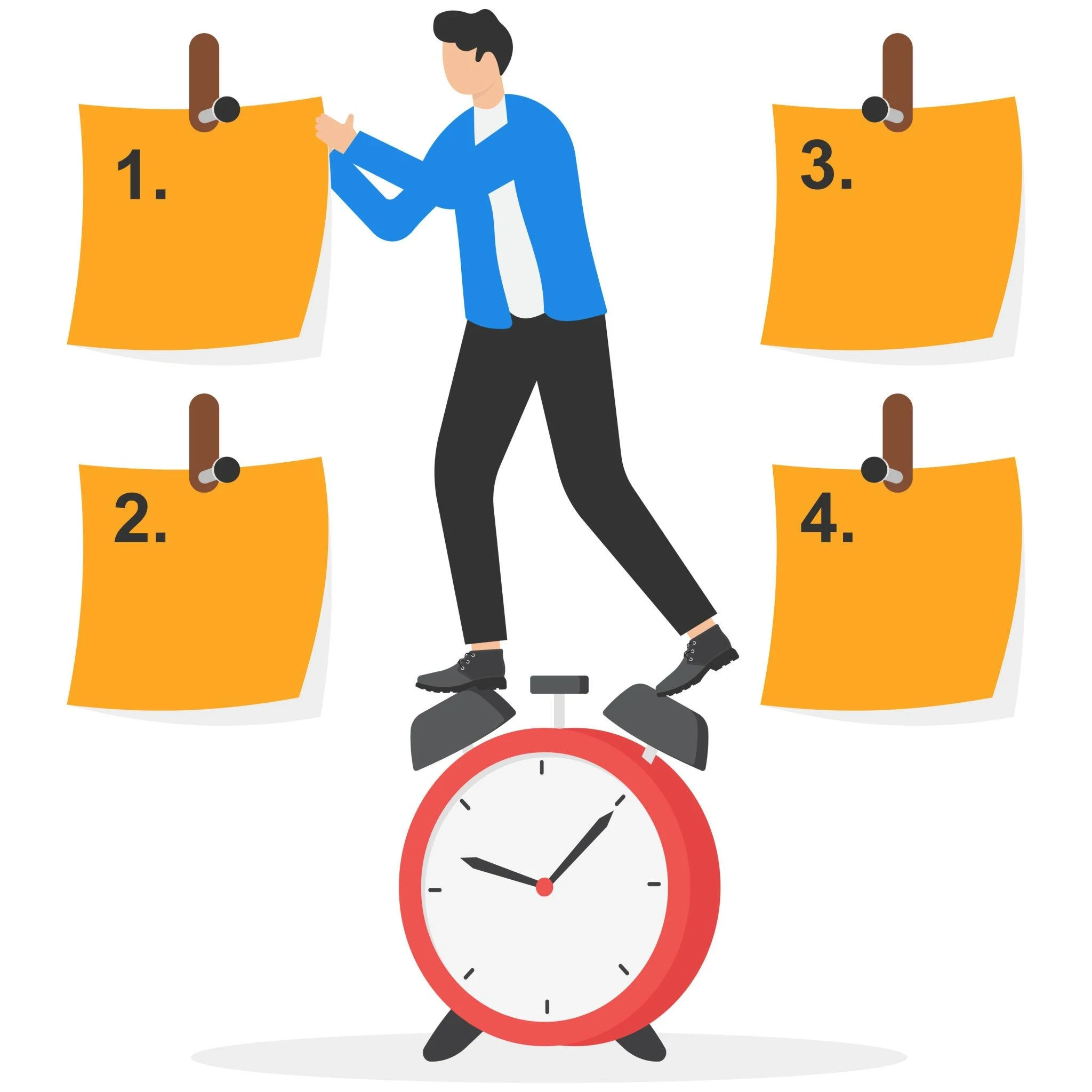
The Daily Top Three Method
Each morning, identify the three most important tasks you want to accomplish.
Completing these tasks creates momentum and prevents your day from being controlled by distractions.

4. Build Flexible Routines That Support Your Lifestyle
A routine should support your life—not control it.
Many people fail because they create rigid schedules that are impossible to maintain.
Instead, develop flexible routines that provide structure while allowing room for unexpected changes.

Morning Routine Ideas
- Light stretching
- Meditation
- Reading
- Journaling
- Enjoying coffee without checking emails
Midday Reset
- Take short breaks
- Go for a brief walk
- Drink water regularly
- Step away from your screen
Evening Wind-Down
- Limit screen time
- Review accomplishments
- Practice gratitude
- Read a book
- Spend quality time with loved ones
Small daily habits often create the biggest long-term improvements.
5. Learn to Say No Without Feeling Guilty
One of the most powerful productivity skills is knowing when to say no.
Every time you say yes to something unnecessary, you are saying no to something more important.
Many people overcommit because they fear disappointing others.
However, protecting your time is not selfish—it is essential.
Practical Tips
- Pause before accepting new commitments.
- Check your schedule before responding.
- Politely decline requests that don’t align with your priorities.
- Offer alternatives when appropriate.
Remember:
A respectful “no” today often prevents stress tomorrow.
6. Use Technology Wisely
Technology can either improve your work-life balance or destroy it.
The difference lies in how you use it.
Helpful Tools
- Calendar applications
- Task management apps
- Focus timers
- Project management software
- Automation tools
Reduce Digital Overload
- Disable unnecessary notifications.
- Schedule email-checking times.
- Avoid endless social media scrolling.
- Use focus modes during important work periods.
Technology should serve you—not control you.

7. Make Self-Care a Priority
Self-care is not a luxury.
It is a necessity for maintaining physical health, mental clarity, and emotional resilience.
Neglecting self-care eventually affects every aspect of life, including your work performance.
Simple Self-Care Practices
- Take a daily walk.
- Get adequate sleep.
- Stay hydrated.
- Exercise regularly.
- Practice mindfulness.
- Spend time in nature.
- Enjoy hobbies that bring you joy.
Even 15 minutes of intentional self-care each day can have a powerful impact on your overall well-being.
Why Self-Care Matters
When you take care of yourself:
- Stress becomes easier to manage.
- Productivity improves.
- Relationships become stronger.
- You feel more energized and focused.
You cannot pour from an empty cup.
8. Review and Adjust Regularly
Work-life balance is not something you achieve once and maintain forever.
Life changes.
Jobs change.
Family responsibilities change.
Your approach must evolve as well.
Monthly Check-In Questions
Ask yourself:
- Am I feeling energized or exhausted?
- Am I spending enough time on what matters most?
- Have I maintained my boundaries?
- What is currently causing stress?
- What small adjustment would improve my quality of life?
Regular reflection helps prevent minor issues from becoming major problems.
Common Challenges and Solutions
What If My Job Has Unpredictable Hours?
Focus on the aspects of your schedule that you can control.
Even small rituals, such as a nightly walk or a technology-free dinner, can create a sense of stability.
How Do I Stop Feeling Guilty About Taking Breaks?
Remember that rest improves productivity.
Breaks are not wasted time—they are investments in your effectiveness and well-being.
Everything Feels Urgent. What Should I Do?
Try this simple framework:
- Write everything down.
- Categorize tasks by urgency and importance.
- Focus on one task at a time.
- Ignore non-essential distractions.
Most tasks are important, but very few are true emergencies.
What If My Workplace Doesn’t Respect Boundaries?
Communicate clearly and consistently.
Explain how maintaining boundaries helps you remain productive and avoid burnout.
If the problem persists, consider discussing the issue with management or evaluating whether the work environment aligns with your long-term well-being.
Practical Action Steps
Start small.
This week, commit to the following:
- Set one new boundary.
- Schedule at least 15 minutes of daily personal time.
- Identify your top three priorities each day.
- Conduct a five-minute weekly review.
Small improvements practiced consistently create lasting results.
Final Thoughts
Achieving work-life balance is not about perfection. It is about creating a sustainable lifestyle that allows you to succeed professionally while enjoying your personal life.
There will always be busy seasons, unexpected challenges, and competing priorities. The key is learning how to manage them without sacrificing your health, relationships, or happiness.
Remember, work is only one part of a meaningful life.
By setting boundaries, prioritizing what matters most, embracing self-care, and making regular adjustments, you can reduce stress and build a healthier, more fulfilling future.
After all, you only live once—so make sure you’re making time to enjoy the journey, not just the destination.