
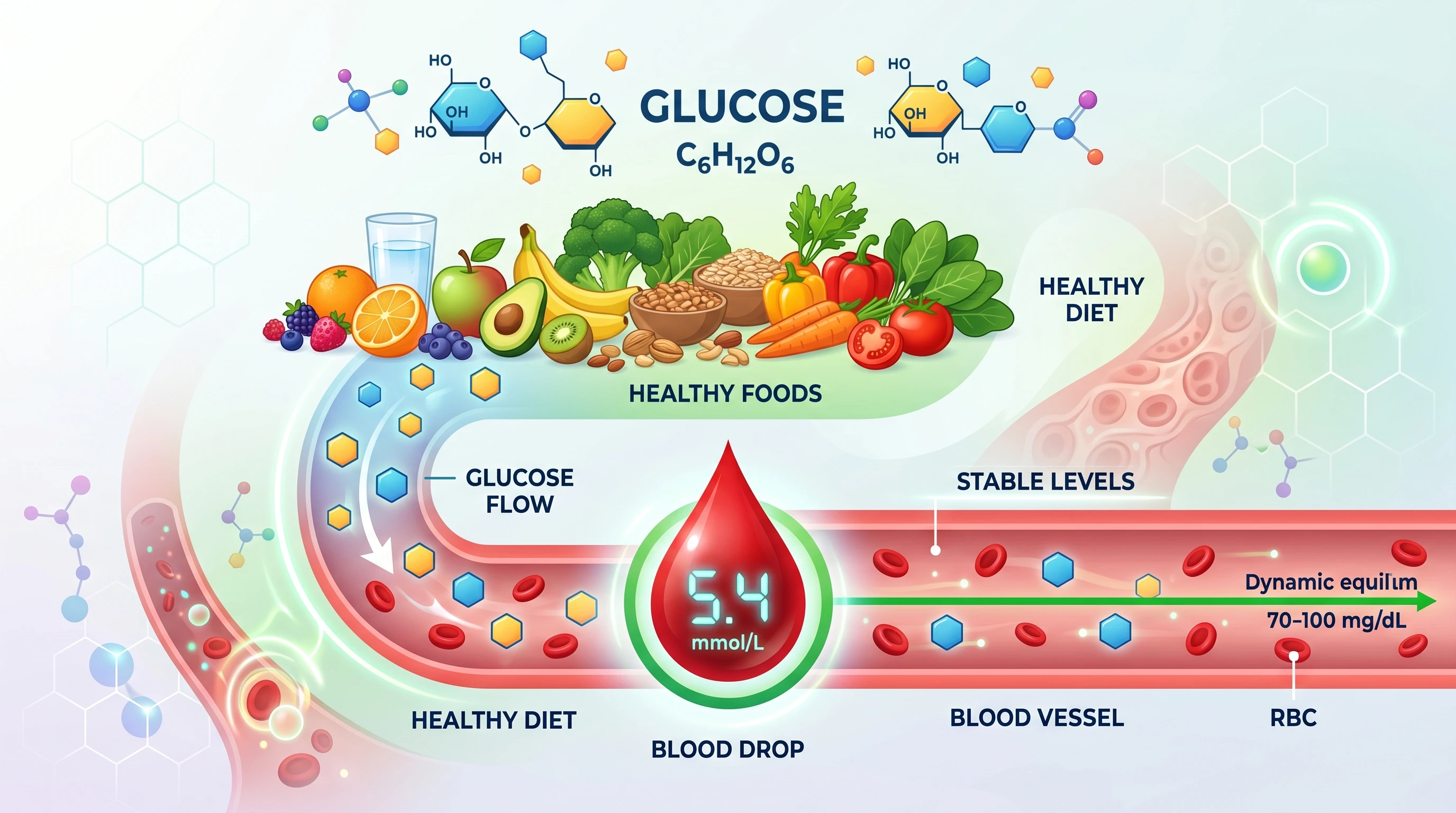
 Blood sugar, or glucose, is at the center of our body’s energy system. If you’ve ever felt jittery after a soda or sleepy after a carb-heavy meal, you’ve already noticed how important it is to keep blood sugar down and steady. For anyone managing diabetes, prediabetes, or just hoping to avoid that afternoon crash, learning how to control blood sugar can really improve daily life.
Wild swings in blood sugar are pretty common, but they’re not something you have to live with. Whenever blood sugar goes way up, the pancreas pumps out insulin to help bring it back down. Repeating this pattern over months or years can put a real strain on your body, leading to chronic fatigue, brain fog, and various other health issues. Keeping blood sugar stable isn’t just a trend, it’s a practical way to feel more balanced and stay healthier long-term.
This guide breaks down what blood sugar is, why spikes happen, and the best ways to keep those levels in check. You’ll get tips on food, medicines, lifestyle tweaks, and how to reverse bad habits if things have gotten off track. Plus, we’ll look at ways to keep your energy up throughout your day and track down some common myths about blood sugar.
What is Blood Sugar (Glucose), Anyway?
When people say “blood sugar,” they’re really talking about glucose, a simple sugar that powers everything from your thoughts to your muscles. Every bite of bread, fruit, or candy you eat gets broken down, and the glucose ends up in your bloodstream.
- The Basics: Glucose is your body’s main energy source. It comes mainly from carbohydrates, but you can also get it from proteins and fats, though that’s a slower process.
- How It Works: After you eat, glucose enters your blood. Insulin, a hormone made by your pancreas, helps move glucose into your cells to be used for energy now, or stored for later.
- Normal Ranges: For most healthy people, blood sugar should hang out between 70–99 mg/dL (milligrams per deciliter) when you haven’t eaten for a while, and under 140 mg/dL after eating.
- Why It Matters: When blood sugar gets too high (hyperglycemia) or too low (hypoglycemia), things stop working right. Long-term high blood sugar can damage nerves, organs, and blood vessels. Low blood sugar can make you feel shaky or even pass out.
Understanding blood sugar is the first step in learning how to control it. Even small changes to your habits can have a pretty big impact. If you want your energy levels to stay steady and avoid that afternoon slump, knowing what causes spikes is essential.
Keeping Blood Sugar from Spiking: Smart Habits that Work
Big blood sugar spikes basically mean your body is working overtime. While this rollercoaster is often triggered by what’s on your plate, stress, sleep quality, and physical activity all play a role. Here are some practical ways to keep things smooth:
Watch What (and When) You Eat
- Pair Up Carbs with Protein or Healthy Fats: Adding some eggs, cheese, nuts, or avocado to a carbheavy meal really slows down how fast sugar hits your bloodstream.
- Skip Sugary Drinks: Sodas, fruit juices, and energy drinks rush glucose into your blood. Water, unsweetened tea, or sparkling water are better choices.
- Eat More Fiber: Foods like beans, veggies, oatmeal, and whole grains slow digestion and keep sugar from spiking.
- Stick to Regular Meals: Going long periods without food can sometimes lead to overeating and bigger blood sugar swings. Try not to skip meals to keep things stable.
- Don’t Forget Portion Control: Even healthy foods can send blood sugar up if you eat way too much at once.
Keep Moving
- Even a brisk walk after a meal helps muscles pull glucose out of your blood. It doesn’t need to be fancy; just get up and move.
- If possible, add some strength training each week. Muscle stores glucose really well and helps keep sugar balanced, even at rest.
Prioritize Sleep
- One rough night can make blood sugar tougher to control. Try a relaxing bedtime routine and limit screens before bed.
Find a Way to Manage Stress
- Stress causes your body to release hormones, signaling your liver to dump extra glucose into your blood. Deep breathing, meditation, or a quick walk can help tone down this response.
Small tweaks to meals, exercise, and sleep habits can add up, keeping you clearheaded and energized—and those sugar swings in check. Over a few weeks, you’ll notice fewer highs and lows and a big difference in your focus and mood.
Food vs. Traditional Medicine: What Controls Blood Sugar Better?
The question about whether traditional medicines or food and lifestyle habits are better for blood sugar comes up a lot. Food and habits are the first line of defense, but for some people, medicine is helpful too. Let’s break it down:
The Food and Lifestyle Route
- Benefits: Changing what you eat and being more active can naturally lower blood sugar, often with fewer side effects. Plantbased eating, lowglycemic foods, and extra fiber are all wellstudied for their effects.
- Challenges: Habits don’t change overnight, and keeping balanced meals takes some planning.
- Best For: Anyone wanting to prevent blood sugar problems or with earlystage issues like prediabetes.
Traditional Medicine Approach
- Benefits: Diabetes meds, like metformin or insulin, have helped millions avoid complications. They can work when diet and exercise aren’t enough.
- Challenges: Some medicines bring side effects. Dosage or types might need a tweak over time.
- Best For: People diagnosed with diabetes or struggling to maintain stable numbers with food and activities alone.
Often, a blend of both food habits and medicine works best. Healthy habits lower your need for medication, and medicine steps in when your body could use extra help. Consult your healthcare team before making any medicine changes, as what works for someone else might not fit your unique needs.
Controlling Food Intake: Why It’s Super Important
What goes on your plate is almost always the biggest blood sugar driver in daily life. Thinking about food in three practical ways makes keeping things steady much easier—and sometimes even fun:
Know Your Carbs
- Not all carbs act the same. White bread, pastries, and sugary snacks cause fast spikes. Beans, lentils, berries, apples, and whole grains break down slower, giving your body more time to catch up and keep levels steady.
Read Labels Wisely
- Even seemingly healthy snacks may contain sneaky sugars or simple carbs that spike your numbers. Scrutinize the serving sizes and the grams of fiber and sugar.
- The word “multigrain” or “natural” on packaging doesn’t mean the food is a slow-digesting carb. Check for whole grain sources and added sugars.
Embrace Mindful Eating
- Eating slowly gives insulin a head start. Savoring each bite can sound simple, but it really works. Try setting your fork down between bites for pace.
Practical Tips for Meals:
- Fill half your plate with nonstarchy veggies like spinach, broccoli, or zucchini.
- Opt for whole grains over white bread or pasta when possible.
- Pick lean proteins: chicken, tofu, beans, or fish. These help you feel full and support muscle health.
- Add a touch of healthy fat—a slice of avocado, a few nuts, or a drizzle of olive oil.
Figuring out meals and snacks doesn’t need to be complicated. Focusing on smarter choices most of the time provides lasting stability. Food is fuel, but the quality of your fuel makes a real difference for blood sugar management and how you feel each day.
Reverse Action: Can You Actually Bring Numbers Back Down?
It’s pretty common to panic when blood sugar gets high, especially after a large meal or special occasion. While you can’t erase a spike instantly, you can bring numbers down in a healthy way and support overall balance.
- Get Moving: A quick 10-15 minute walk or some light exercise helps muscles absorb glucose from your blood.
- Hydrate: Drinking water can help flush excess glucose through the kidneys.
- Spread Out Carbs: Instead of eating all your carbs at once, space meals or snacks throughout the day to avoid overwhelming your system.
- High-Fiber Snacks: If you’ve gone overboard on sugar, try a few almonds or apple slices with peanut butter to help slow absorption.
- Don’t Overcorrect: Skipping meals in hopes of dropping sugar quickly usually backfires, leading to a bigger swing later.
If high readings stick around, or you feel ill, reach out to your doctor. Occasional spikes happen to almost everybody—the long-term pattern is what matters most. Staying proactive can put you back on track quickly.
Frequently Asked Questions About Blood Sugar Stability
What counts as a blood sugar spike?
Most people see a spike when blood sugar jumps over 140 mg/dL within 1–2 hours of eating. If it drops back down quickly, that’s usually all right. But numbers that stay elevated or keep going up are worth checking in on.
Can stress alone really raise blood sugar?
Absolutely! Stress hormones, like cortisol, tell your liver to release stored glucose, even if you haven’t just eaten. Because of this, managing stress is just as important as your food choices.
Do I have to cut out all carbs?
No, that’s not necessary. Carbs are a main source of energy. Focus on picking complex carbs and pair them with protein or healthy fats. There’s no need to fear whole grain bread, quinoa, or fruit.
How about eating late at night?
Eating a big meal right before bed can make it harder for your body to keep sugar balanced while you’re sleeping. If you need a snack, something with a bit of healthy fat and protein works better than chips or treats.
Is it possible to improve blood sugar over time?
Yes. Many people manage to bring prediabetes numbers back to a normal range by sticking to steady habits, healthy food, a little more movement, and getting enough rest.
Bringing it All Together: Daily Steps for Blood Sugar Success
Managing blood sugar is less about strict rules and more about practical, steady choices. These are the keys that make the biggest impact:
- Choose meals that include highfiber carbs, lean protein, and healthy fats.
- Balance your portions and skip mindless snacking on sugars or refined grains.
- Fit in movement as often as you can—even short walks make a difference.
- Prioritize good sleep and handle stress before it builds up.
- Work alongside your doctor to adjust your plan, especially if you take medicine.
Blood sugar management is about building better habits and sticking with them most of the time. Even if you miss a step, don’t get discouraged—just pick up where you left off. Feeling better and staying steady is achievable when you focus on daily wins. Over weeks and months, small steps turn into bigger shifts, helping you lead a more energetic and balanced life with more control over your health.