
If you or someone you know has been diagnosed with diabetes, you’ve probably heard about diabetes reversal programs. These programs aren’t some miracle cure, but they can definitely play a huge role in getting blood sugar levels back on track. I’m going to break down how these programs work, why they’re worth thinking about, and what you need to keep in mind if you’re considering one.
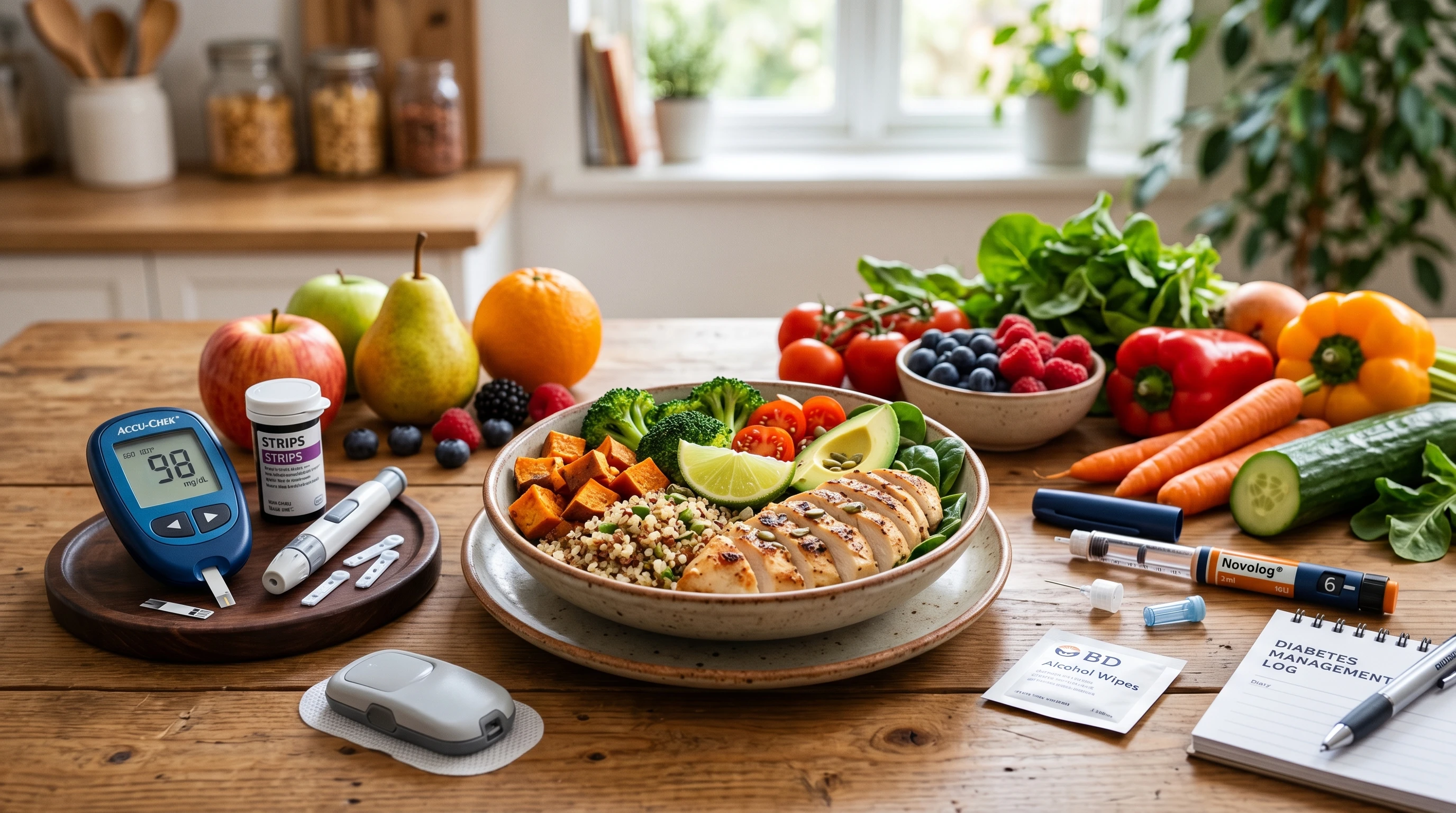
What Are Diabetes Reversal Programs?
Diabetes reversal programs are structured plans designed to help people lower their blood sugar levels naturally, and sometimes even put type 2 diabetes into remission. These programs usually combine nutrition advice, physical activity, sleep management, stress reduction, and at times medication adjustments under professional guidance.
The big idea is that with the right changes in lifestyle, your body can become more sensitive to insulin, meaning it handles blood sugar much better. Some folks see major improvements, including cutting down or even stopping diabetes medications. While type 1 diabetes can’t be reversed this way, people with type 2 diabetes or prediabetes can see a lot of benefits.
Why Normalizing Glucose Levels Matters
When your blood sugar is high for too long, it doesn’t just cause short-term symptoms like fatigue or thirst. Over time, it puts you at risk for nerve damage, kidney issues, vision loss, heart disease, and more. Normalizing glucose levels can reduce or slow down these risks, helping you feel better every day and stay healthy in the long run.
In my experience talking with health professionals and people who’ve gone through these programs, getting blood sugar under control can seriously improve energy levels, sleep quality, mood, and focus. It’s not just about numbers on a meter. It’s about living better.
The Science Behind Diabetes Reversal
Type 2 diabetes is basically when your body starts ignoring insulin, a hormone that helps your cells use sugar from food. That insulin resistance keeps blood sugar high.
Diabetes reversal programs focus on three main things that affect insulin resistance and blood sugar:
- What you eat: Certain foods affect your blood sugar more than others. Programs usually switch your eating style to focus on whole foods, less added sugar, more fiber, and healthy fats.
- Physical activity: Exercise makes your cells more responsive to insulin, helping lower blood sugar naturally.
- Weight changes: Even losing a small amount of weight can help restore insulin sensitivity for many people.
There are tons of studies backing this up. For example, a 2019 meta-analysis found that all-in-one lifestyle change programs helped nearly half the participants put their type 2 diabetes into remission over one to two years.
Core Elements of a Diabetes Reversal Program
While every program has its own approach, most cover similar ground. Here are the basics I see in nearly all of them:
- Personalized Nutrition Plans: These often involve structured meal plans that reduce refined carbs (like white bread or sugary drinks), boost vegetable and high fiber food intake, and swap unhealthy fats for better ones like olive oil or nuts.
- Activity Guidance: Getting active doesn’t always mean the gym. Walking, biking, yoga, or even dancing at home count. Programs may suggest starting with what you can handle and slowly building up as you gain confidence.
- Sleep and Stress Management: Lack of sleep and chronic stress can spike blood sugar. Reversal programs include simple steps for relaxing, building a sleep routine, and exploring techniques like meditation or deep breathing to help manage daily pressures.
- Support and Accountability: Many programs offer regular check-ins with health coaches, peer groups, or even smart apps. Keeping you on track and motivated really makes a difference, and seeing progress along the way helps keep you moving forward.
- Medical Monitoring: Adjustments in medications may be needed as glucose levels improve. Having your doctor involved is really important, especially as you make lifestyle changes that could change how your medications work.
First Steps: What to Know Before Starting
Preparing for a diabetes reversal program is all about setting yourself up for success. Here are a few steps that help:
- Get Baseline Tests: Before you start, get your A1C, fasting glucose, cholesterol, blood pressure, and kidney function checked so you’ll have something to compare your progress against. Having a baseline is key.
- Talk to Your Healthcare Team: Let your doctor or diabetes educator know you’re planning to start a reversal program. They may help tailor it to your unique needs and monitor you as things change, giving you advice specific to your situation.
- Set Realistic Goals: Go for progress, not perfection. Even moderate improvements in blood sugar or weight can come with serious health benefits and keep you motivated along the way.
- Prepare Your Kitchen: Stock up on whole grains, leafy greens, berries, lean proteins, beans, lentils, and heart healthy oils. If junk food isn’t in the house, it’s way easier to avoid. A little planning makes meal prep much smoother.
Key Benefits of Diabetes Reversal Programs
- Better Glucose Control: People often see their fasting and after meal blood sugar numbers improve within just a few weeks of starting a good program.
- Medication Reduction: Some folks get to reduce or stop needing diabetes meds under medical supervision, especially if changes stick long term.
- Improved Weight Management: Most programs help with gradual and sustainable weight loss, which makes a big difference for blood sugar control and overall health.
- Lowered Risk of Complications: Steady blood sugar puts less strain on eyes, kidneys, heart, and nerves, reducing your chance of running into problems later on.
- More Energy and Focus: Greater insulin sensitivity helps keep your energy steady, making it easier to get through the day and stick with other healthy habits.
I’ve personally seen how friends and family with prediabetes or type 2 diabetes have more pep, fewer sugar crashes, and just generally feel better after sticking to the basics of these programs for a few months. It’s often about small, steady progress instead of dramatic overnight changes, but those little steps make a tangible difference.
Common Features of Leading Diabetes Reversal Programs
- Tracking Tools: Apps and glucose meters make it easier to see how changes are paying off. Some programs even sync data to a coach or care team, helping you get feedback and rapid advice.
- Group Support: Peer groups (both online and in person) help with motivation and troubleshooting day to day roadblocks. Sharing your journey with others facing the same challenges is a big morale booster.
- Weekly Learning Modules: Regular lessons or workshops that focus on new recipes, exercise routines, stress busters, and ways to break unhealthy habits help you build your own toolkit over time.
- Frequent Check ins: Short but regular meetings or calls to celebrate wins, tweak plans, and figure out what’s working. Accountability is huge!
Challenges and How to Work Around Them
Starting any lifestyle change is a challenge, and diabetes reversal programs bring a few common speedbumps. I’ve picked up a few workarounds from my own experiences and from chatting with others on similar adventures:
- Finding Time: Work, family, and life can get in the way. Setting a schedule (even short walks or quick meal preps) makes things easier to stick to. Start small—maybe a five minute walk after meals or prepping a healthy snack for the next day.
- Food Cravings: Sometimes you really want that cookie or pizza. Most programs suggest practical swaps and don’t focus on “never”—just “not every day.” It’s about making better choices often, not being perfect. Fresh fruit, spiced nuts, or yogurt with berries are great alternatives.
- Tracking Fatigue: The novelty of tracking every bite or step wears off. It helps to use fun, easy tools or apps, or set reminders to check in just a few days a week rather than every single day. Alternatively, consider keeping a simple paper log for meals and mood, which takes less time but still shows trends.
- Plateau Frustration: Progress isn’t always steady. Keeping a journal of how you feel (not just numbers) helps you spot non scale victories, like better sleep, clearer focus, or fewer mood swings, even if the scale isn’t moving much.
Food Choices and Meal Planning
Meal plans in these programs are built around foods that help keep blood sugar stable. That means lots of high fiber veggies, whole grains, nuts, seeds, and lean protein. They often cut back heavily on ultraprocessed foods and high glycemic carbs, which spike glucose really fast.
This style of eating isn’t about never eating something tasty again. It encourages you to get creative with spices, salads, grain bowls, and swaps like zucchini noodles or cauliflower rice instead of white pasta or rice. Trying new recipes or ingredients—like roasted chickpeas, grilled fish, or colorful veggie stir fries—can make healthy eating much more enjoyable for the long haul.
Physical Activity for Glucose Balance
You don’t need to suddenly run a marathon. Most programs emphasize simple ways to move more through the week. Walking after meals can help flatten blood sugar spikes, and little things like gardening or light stretching count, too.
Finding an exercise you enjoy goes a long way. I know folks who crank up their favorite playlist and dance around their kitchen for ten minutes. Consistency matters more than intensity, so pick something you’ll look forward to doing even on busy days.
Mental Health and Stress
Stress can push glucose levels up all by itself. Diabetes reversal programs often include tips for mindfulness, relaxation, and time management. Techniques like meditation or even simple breathing exercises before bed can help a ton. It’s just as important to work on mental wellness as physical health, since stress hormones can mess with your blood sugar as much as what you eat.
How Diabetes Reversal Differs From Standard Diabetes Care
The usual diabetes management approach often revolves around taking medications to lower blood sugar and avoiding certain foods. Diabetes reversal programs take a more holistic approach. They focus not just on lowering blood sugar temporarily but on rebuilding habits and routines that restore your body’s ability to handle insulin well over time.
Instead of only reacting to high blood sugar, reversal programs help you track down food, activity, sleep, and stress patterns that contribute to the issues. Many people find this more empowering and easier to stick with long term, as it gives a sense of control and progress along the ride.
What the Research Says About Reversing Diabetes
Plenty of credible sources have shown that it’s possible for people with type 2 diabetes to reach normal glucose levels—without always needing medication—if they make and maintain certain changes. For example, the DiRECT trial in the UK found that about 46% of participants with type 2 diabetes put their condition in remission after one year of a structured lifestyle intervention focused on nutrition, physical activity, and support.
It’s worth noting, though, that “remission” means blood sugar is normal without needing medication, but it’s not the same as being “cured.” Ongoing maintenance is super important; if old habits come back, diabetes can too. Sticking with the new habits is often the difference between lasting change and relapse.
Things to Think About Before Choosing a Program
- Medical Supervision: Any major change to your diet, exercise, or medications should be supervised by your doctor, especially if you’re already taking diabetes meds. Sudden drops in blood sugar need to be watched closely to avoid dangerous lows.
- Source Credibility: Go for programs recognized by healthcare professionals, with evidence-based approaches, and ideally some kind of professional oversight. Shy away from miracle cures or plans that promise results overnight, as they are usually too good to be true and may put your health at risk.
- Personal Fit: The best program is the one you’ll actually enjoy and keep doing. Cookie cutter plans usually don’t work for everyone. If you can get a program tailored to your needs, even better—it boosts your odds of sticking with it.
- Cost and Accessibility: Some programs are free through clinics or insurance, while others may charge. Check what’s available in your area or online, and pick the resources that fit your budget and lifestyle.
Who Can Benefit Most?
Diabetes reversal programs are mostly aimed at people with prediabetes or type 2 diabetes. People with earlier stage or recently diagnosed type 2 diabetes tend to see the biggest wins. But folks who have had diabetes longer, or who are already on insulin, can still get benefits like more stable blood sugar and better energy levels. Remember, there’s no single “right” time to start; small changes add up at any stage in the adventure.
FAQ: Diabetes Reversal and Normalizing Glucose
Here are a few common questions that come up when talking to friends or readers about these programs:
Can type 1 diabetes be reversed with these programs?
Type 1 diabetes can’t be reversed because it’s caused by the body not making insulin. However, similar programs can help improve blood sugar control and reduce complications, even if insulin is always required.
How long does it take to see results?
Some people notice better glucose readings within weeks, especially if they stick to the plan. Bigger changes (like potential remission) can take months and depend a lot on how early you start and how consistent you are.
Is medication always necessary?
Many people eventually reduce or stop medications under doctor supervision, but some will need them long term. No one should stop taking prescribed medication on their own without talking to a healthcare provider first.
Will I have to eat a super restrictive diet forever?
Diabetes reversal programs usually focus on flexibility and balance. While there are guidelines, the idea is to find a routine you can realistically stick with—not rigid rules that make life miserable. Over time, most people find a way of eating that fits both their health needs and taste buds.
Real-Life Success Stories and What They Show Us
There’s no better proof than real world examples. I’ve chatted with folks in online support groups who’ve lowered their A1C from the 8s or 9s down into the healthy 5s, often with less medication. Others have described sleeping better, having fewer cravings, or simply feeling more in control of their health.
For many, the real win is regaining the confidence to make choices that support their goals. Whether that looks like being able to chase after grandkids, hike local trails, or just having the energy at the end of the day to enjoy a hobby, the benefits are personal and unique to each person’s story.
Takeaway: Making Diabetes Reversal Work for You
There’s a lot to digest here, but the main thing to remember is that lowering and maintaining normal glucose levels with a diabetes reversal program is totally doable for many people. It’s not all or nothing, and even small steps can lead to big benefits. The right combination of nutrition, movement, sleep, and support makes all the difference. Your team of healthcare pros can guide you if you’re thinking of getting into a program tailored to your needs.
Staying motivated, tracking your progress, and being patient with yourself go a long way. Every positive change counts, and you don’t need to do it all alone. If you’re interested, ask your healthcare provider or local diabetes center about reputable programs to fit your needs.
Next time you hear someone mention diabetes reversal, you’ll know exactly what it’s about and how life changing it can be with the right info and support. Good luck, and remember that every steady step forward brings you closer to feeling your best.