
Deciding whether people with diabetes really need to take insulin injections is a question that comes up often. If you’ve recently been diagnosed or know someone managing diabetes, it’s only natural to wonder about treatment options and what they actually do. There are a lot of myths and strong opinions about insulin use. Here, I’ll break down who actually needs it, why it can be important, and what life looks like with or without insulin therapy in an all-in-one look.
Understanding Insulin and Its Role in Diabetes Management
Insulin is a hormone your pancreas makes, moving sugar (glucose) from your blood into your cells for energy. Diabetes is a condition that affects how your body regulates blood sugar. In Type 1 diabetes, your body produces little or no insulin. Type 2 diabetes means your body still makes insulin, but it doesn’t use it well. In many cases, the pancreas eventually can’t keep up.
When your body can’t use or make enough insulin, blood sugar levels climb. Over time, this can lead to serious issues like nerve damage, kidney problems, or vision loss. That’s why keeping blood sugar in check matters, especially for long-term health. Sometimes, taking insulin is the only way to manage it effectively and prevent complications.
Who Needs Insulin Injections?
Not all people with diabetes require insulin injections from the start. The need depends on your specific type of diabetes and how you respond to other treatments.
- Type 1 Diabetes: People with Type 1 diabetes nearly always need insulin because their bodies can’t make it at all. Diet, exercise, and other medicines can’t replace what’s missing.
- Type 2 Diabetes: People with Type 2 diabetes often start with lifestyle changes and oral medicine. If these lose effectiveness or blood sugar remains high, insulin can help. In some circumstances, people with Type 2 diabetes need insulin right when they’re diagnosed, like if their blood sugar is dangerously high or symptoms are severe.
- Gestational Diabetes: Some people develop diabetes during pregnancy. Diet and exercise come first, but insulin may be needed if those don’t keep blood sugar controlled and to ensure safety for both the parent and baby.
There are also special situations, such as after major surgery or during serious illness, when temporary insulin might be required, even for those who don’t use it regularly.
The Science Behind Insulin Therapy
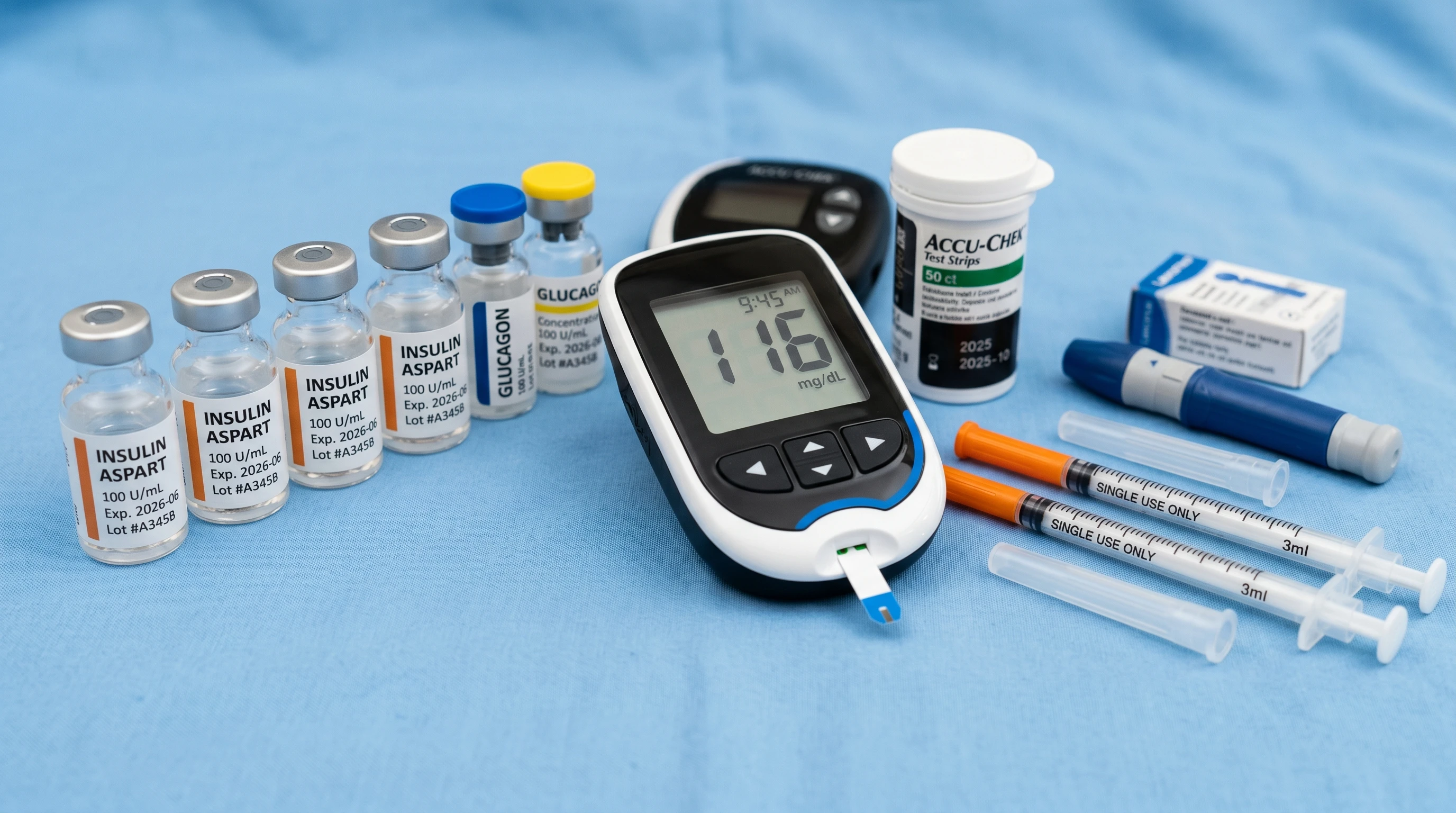
Insulin therapy means giving your body insulin regularly to perform an essential job it can’t do naturally. You can give insulin using a syringe, pen, or pump. The dose and timing are based on your blood sugar patterns, meals, and lifestyle habits.
Modern insulin comes in different versions. Here’s a breakdown:
- Rapidacting insulin: Starts working within minutes. Typically used before meals to handle the post-meal rise in blood sugar.
- Shortacting insulin: Takes a bit longer to start and covers blood sugar over several hours after eating.
- Intermediateacting insulin: Works for about half a day; sometimes used alongside the quicker types.
- Longacting insulin: Works steadily through the day and night, helping keep levels stable between meals and while sleeping.
Most people use a mix of these insulins to match their body’s needs. A healthcare provider helps craft a game plan to fit each individual’s lifestyle and daily schedule. Insulin therapy is about making use of what will meet your specific requirements.
Alternatives to Insulin Injections
Some people with diabetes control their blood sugar without insulin. This is common in the early days of Type 2 diabetes. Here are the main alternatives:
- Diet: Eating balanced meals with careful carb choices goes a long way in preventing blood sugar spikes.
- Physical Activity: Regular exercise lets muscles use more sugar, keeping blood levels steady and often making the body use its natural insulin better.
- Oral Medicines: Various pills help lower blood sugar in different ways. Some increase insulin production; others help the liver produce less sugar or make the body handle insulin more efficiently.
Despite these options, some people will eventually need insulin. This is not a failure; it simply means diabetes has changed, and the body now needs extra help to stay balanced. As diabetes “glows up” over time, treatments often need to “mix things up” too.
Why People Might Avoid Insulin Therapy
Deciding to start insulin can feel like a milestone. Some people feel anxious about injections or worry about what needing insulin means for their health. They may be wary of side effects, keeping up with a new daily routine, or the cost of insulin and supplies. Here are the concerns I hear most:
- Fear of needles or giving regular injections
- Belief that needing insulin is a setback in their diabetes care
- Concerns over gaining weight with insulin use
- Worries about low blood sugar (hypoglycemia) episodes
- Cost or insurance issues for ongoing insulin purchases
These worries are important, but most can be managed. Learning about insulin, talking with your care team, and using new tools (smaller needles, userfriendly pens) help a lot. For example, the risk of hypoglycemia can often be toned down with careful planning and blood sugar checks.
Common Misconceptions About Insulin Use
A lot of myths surround insulin therapy. Some folks believe insulin is only for emergencies or the most “severe” cases of diabetes. Let’s clear things up:
- Myth: Insulin is only for the worst cases.
Fact: Many people need insulin early, simply because their body can’t make enough. Others switch up after years on oral medications. It’s one of many tools to control blood sugar. - Myth: You get “addicted” to insulin.
Fact: Insulin is a natural hormone. Taking it when your body cannot make enough is just replacing what’s missing, not creating a dependency. - Myth: Insulin leads to complications.
Fact: Actually, complications are much less likely when blood sugar is managed well. It’s uncontrolled diabetes that causes trouble over time.
Daily Life With Insulin Injections
People often picture insulin therapy as inconvenient with lots of daily injections. In reality, while it does require routine, most people adjust quickly. Here’s what daily life could include:
- Checking blood sugar before meals and bedtime
- Adjusting insulin for changes in food, exercise, or illness
- Carrying insulin and supplies when you’re out and about
- Keeping snacks handy in case of unexpected low blood sugar
Many people use userfriendly pens or pumps, which make injections faster and nearly painless. Having support from a care team, loved ones, or online diabetes groups also helps make the switch smoother.
Challenges and Tips for Success
It can take a while to get used to insulin therapy. Here are some common challenges and ways to smooth the way:
- Tracking Doses: Using phone reminders helps stay on schedule. Some keep a logbook or use glucose meters that log doses automatically.
- Travel: Packing extra insulin, syringes, a doctor’s note, and backup supplies in a carryon bag makes travel less stressful. Store insulin somewhere climate controlled to keep it safe.
- Exercise: Always check blood sugar before and after workouts. Bring a quickacting carb (juice box, some candy) in case of a dip. Ask your provider about adjusting doses to avoid trouble during workouts.
- Eating Out: Estimate carbs as best as possible or use apps for nutrition info. If it’s tricky, check in with your care team or rely on past experiences for guidance.
How I Handle Low Blood Sugar
Low blood sugar, or hypoglycemia, can sneak up if you delay meals or use too much insulin. I carry fastacting glucose like tablets or juice, and wear a bracelet marked “Diabetic” for safety in case I need quick help from others.
When Insulin Might Not Be Needed
Many people manage diabetes for years without insulin, especially when blood sugar stays managed with diet, exercise, weight loss, or oral medications. If your healthcare provider says your blood sugar trends are good, there’s no rush to add insulin. Regular appointments and lab checks are essential because diabetes can evolve and sometimes, insulin becomes the best option.
In some rare situations, people stop insulin, particularly after weight loss or treating certain causes. Always make any changes alongside your care team—stopping insulin on your own can be risky.
RealLife Examples of Insulin Use
- Type 1 Diabetes: I have a friend who was diagnosed as a teen. Insulin has been a constant in her life, but with smart planning, she manages a fastpaced lifestyle, travels, and enjoys eating out—she just has to prep a bit more.
- Type 2 Diabetes: Another friend managed well with pills and healthy habits for years, but when her blood sugar climbed, adding insulin before meals helped her feel more energetic with fewer issues.
- Gestational Diabetes: One woman I know managed pregnancyrelated diabetes mostly through diet. In her final trimester, hormones made blood sugar control harder so she started insulin. After giving birth, her blood sugar normalized and insulin wasn’t needed anymore.
Frequently Asked Questions
Here are some of the most common questions I get about insulin injections for diabetes:
Question: Is there any way to avoid taking insulin if my doctor recommends it?
Answer: Sometimes, diet, exercise, and oral medicine work. But if your pancreas can’t make enough insulin, taking it is the safest option. Be sure to discuss all options with your care team.
Question: Does taking insulin mean my diabetes is “getting worse”?
Answer: Not really. Diabetes can change naturally as the pancreas produces less insulin over time. Adding insulin means you’re keeping blood sugar in check, which lowers your risk of complications.
Question: Are there side effects of insulin to know about?
Answer: Low blood sugar and mild weight gain are most common. Careful monitoring and teamwork with your provider keep those risks low. Rarely, there may be redness or slight discomfort at injection sites.
Question: Is it painful to take insulin?
Answer: Modern needles are extra thin and designed for minimal discomfort. Most people get used to injections and find them doable in day-to-day life.
Moving Forward With Diabetes Management
Choosing when to start or adjust insulin is a personal call, guided by your needs, health, and lifestyle. What works for one person might not work for another. It’s about working closely with your care team and reviewing your blood sugar trends. Staying informed and open to new info helps everyone make the right choices for longterm health and peace of mind.
With the right supplies, support, and the latest education, insulin becomes just another part of a healthy routine—not a setback. Managing diabetes, whether or not insulin is involved, is about teamwork, communication, and focusing on the habits you can control daily. There’s always a way forward, and you’re not alone in the ride.