



 Custom Keto Diet: Can You Really Lose Fat While Eating Foods You Enjoy?


Would You Like to Lose Fat Without Feeling Hungry All the Time?
Many people struggle with weight loss.
You may have tried counting calories, skipping meals, exercising intensely, or following strict diet plans, only to regain the weight a few months later.
If this sounds familiar, you’re certainly not alone.
The truth is that sustainable weight loss is often more complicated than simply eating less and moving more. Factors such as metabolism, hormones, food choices, lifestyle habits, and consistency all play important roles.
One dietary approach that has gained significant popularity in recent years is the Ketogenic Diet, commonly known as the Keto Diet.
Supporters claim it can help burn fat, reduce cravings, and improve overall health while allowing people to enjoy satisfying meals.
But does it really work?
Let’s explore the science behind it.
Why Many Weight Loss Plans Fail
Before discussing the Keto Diet, it’s important to understand why many traditional diets don’t produce long-term results.
Mistake #1: Not Creating a Calorie Deficit
At its core, weight loss requires consuming fewer calories than your body burns.
This is known as a calorie deficit.
When your body needs more energy than it receives from food, it begins using stored energy reserves, including body fat.
Many people focus exclusively on avoiding certain foods while overlooking the total number of calories they consume.
While food quality matters greatly, calorie balance remains a major factor in weight management.
A practical example often cited is a nutrition experiment conducted by Mark Haub. By maintaining a calorie deficit, he lost weight despite eating some highly processed foods. Although this experiment doesn’t suggest eating junk food is healthy, it demonstrates the importance of overall calorie intake.
Mistake #2: Restricting Calories Too Aggressively
Some people slash their calorie intake dramatically in hopes of achieving rapid results.
Unfortunately, this approach often backfires.
When calorie intake becomes extremely low:
- Metabolism may slow down.
- Energy levels can decline.
- Hunger hormones may increase.
- Muscle loss can occur.
This often leads to the well-known “yo-yo dieting” effect, where lost weight quickly returns after the diet ends.
Sustainable fat loss generally comes from a moderate and consistent approach rather than extreme restriction.
Mistake #3: Ignoring Macronutrient Balance
Not all calories affect the body in exactly the same way.
The three primary macronutrients are:
- Protein
- Carbohydrates
- Fats
Protein helps maintain muscle mass and promotes satiety.
Healthy fats support hormone production and provide long-lasting energy.
Carbohydrates provide fuel, but excessive intake of highly refined carbohydrates may contribute to overeating and make fat loss more challenging for some individuals.
Finding the right balance can make a significant difference in long-term success.
Mistake #4: Following an Unrealistic Diet
Perhaps the biggest reason diets fail is that they are simply too difficult to maintain.
Many plans require people to:
- Eliminate entire food groups.
- Eat foods they dislike.
- Constantly feel hungry.
- Follow complicated rules.
Eventually, motivation fades and old habits return.
The best diet is often the one you can realistically follow for months and years rather than days and weeks.
What Is a Keto Diet?

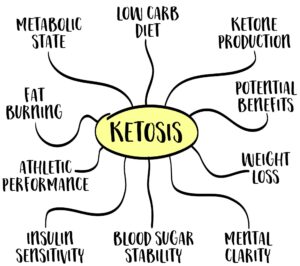



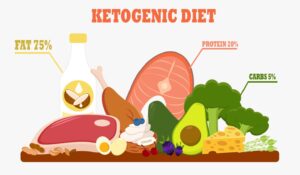
A Keto Diet is a low-carbohydrate, moderate-protein, high-fat eating plan.
Typical foods include:
- Eggs
- Fish
- Meat
- Cheese
- Nuts
- Avocados
- Olive oil
- Non-starchy vegetables
By drastically reducing carbohydrate intake, the body enters a metabolic state known as ketosis.
During ketosis, the body begins using fat as its primary energy source instead of relying mainly on carbohydrates.
The liver produces molecules called ketones, which can serve as an alternative fuel source for the brain and other tissues.
This metabolic shift is the foundation of the ketogenic diet.
Potential Benefits of a Keto Diet
While individual results vary, many people report several potential benefits.
1. Increased Fat Burning
When carbohydrate intake is reduced, the body becomes more dependent on stored fat for energy.
This may help support fat loss when combined with an appropriate calorie intake.
2. Reduced Hunger and Cravings
Many Keto followers report feeling fuller for longer periods.
This can make it easier to maintain a calorie deficit without constantly battling hunger.
3. Simplicity
Unlike some diets that require complicated meal timing or constant calorie calculations, Keto often focuses on choosing the right types of foods.
4. Stable Energy Levels
Some individuals experience fewer energy crashes because blood sugar fluctuations may become less pronounced.
5. Potential Health Improvements
Research has shown ketogenic diets may help improve certain health markers in some people, including blood sugar control and triglyceride levels.
However, results vary, and anyone with a medical condition should consult a healthcare professional before making major dietary changes.
Is Keto Right for Everyone?
The answer is no.
While many people experience success with Keto, others find it difficult to maintain.
Potential challenges include:
- Initial fatigue during adaptation
- Limited food choices
- Difficulty eating out
- Social situations involving high-carb foods
Additionally, people with certain medical conditions should seek professional medical advice before starting a ketogenic diet.
There is no single diet that works perfectly for everyone.
The key is finding a sustainable approach that matches your goals, lifestyle, and personal preferences.
What Is a Custom Keto Diet Plan?
One criticism of generic diet plans is that they treat everyone the same.
In reality, factors such as age, weight, activity level, gender, goals, and food preferences can influence results.
A Custom Keto Diet Plan attempts to address this by creating meal recommendations tailored to the individual.
A personalized plan may help:
- Simplify meal planning
- Reduce guesswork
- Improve consistency
- Increase adherence to dietary goals
Because the plan is customized, many people find it easier to follow compared to a one-size-fits-all program.
Final Thoughts
The Keto Diet is not a miracle solution, but it has helped many people successfully lose fat and improve their eating habits.
The most important factors for long-term success remain:
✔ Consistency
✔ Sustainable habits
✔ Appropriate calorie intake
✔ Balanced nutrition
✔ Regular physical activity
Whether you choose Keto or another eating strategy, remember that lasting health improvements come from making realistic lifestyle changes that you can maintain over time.
A personalized Keto plan may be worth exploring if you’re looking for a structured approach to weight management and healthier eating.
Affiliate Disclosure: This article may contain affiliate links. If you purchase through these links, a commission may be earned at no additional cost to you. This helps support the maintenance of Cheeshi.com and allows us to continue providing free content.