

The Truth About the Salt Water Weight Loss Trend

If you’ve spent any time browsing social media or watching weight-loss videos online, you’ve probably come across the claim that drinking salt water before bed can help “flush fat” from your body—especially stubborn belly fat.
It sounds appealing. After all, who wouldn’t want a simple bedtime drink that melts away excess weight while they sleep?
Unfortunately, weight loss doesn’t work that way.
While staying hydrated is important for overall health and can support your weight-loss efforts, there is currently no scientific evidence that drinking salt water before bed burns fat, targets belly fat, or accelerates weight loss.
Let’s separate fact from fiction and examine what really happens when you drink salt water before going to sleep.

How Your Body Actually Processes Salt Water
Your body is an incredibly sophisticated system that carefully regulates fluids, electrolytes, and nutrients.
When you drink salt water, your body doesn’t suddenly begin burning stored fat. Instead, it processes the sodium and water through normal biological functions.
Sodium is an essential mineral that helps:
- Maintain fluid balance
- Support nerve function
- Regulate muscle contractions
- Control blood pressure
However, consuming extra sodium does not trigger fat burning.
In fact, when sodium intake increases, your body often retains more water to maintain proper balance. This can actually make you feel bloated or heavier, which is the opposite of what most people hope to achieve.
Why the “Flush Fat” Claim Is Misleading
One of the biggest misconceptions in the weight-loss industry is the belief that certain drinks can “flush out” body fat.
Body fat isn’t eliminated like waste in a drainpipe.
Fat loss occurs through a complex metabolic process that requires your body to use stored fat for energy. This happens when you consistently burn more calories than you consume.
When fat is broken down, it is primarily released from the body through:
- Carbon dioxide when you breathe
- Water through urine, sweat, and bodily fluids
No special drink can force this process to happen overnight.
Despite numerous claims online, no credible scientific studies have demonstrated that drinking salt water before bed specifically reduces belly fat or accelerates fat metabolism.
The Proper Way to Hydrate Before Bed
Good hydration is important, but it doesn’t require adding salt to your water.
For most healthy adults, drinking a glass of plain water before bed is sufficient to maintain hydration throughout the night.
Proper hydration may help:
- Support digestion
- Regulate body temperature
- Maintain healthy metabolism
- Improve overall bodily function
If you exercise heavily, live in a hot climate, or lose significant amounts of sweat during the day, electrolyte replacement may occasionally be beneficial. However, this is very different from routinely drinking salt water before bedtime for weight loss purposes.
The key is balance—not excess.
Potential Risks of Drinking Salt Water Regularly
Many people are unaware that consuming salt water on a regular basis can create health concerns, especially if they already consume sufficient sodium through their diet.
1. Increased Blood Pressure
Excess sodium intake is strongly associated with elevated blood pressure.
High blood pressure is often called the “silent killer” because it may develop without obvious symptoms while increasing the risk of:
- Heart disease
- Stroke
- Kidney problems
- Cardiovascular complications
2. Water Retention and Bloating
Instead of helping you look slimmer, excessive sodium can cause your body to hold onto extra water.
This may result in:
- Puffiness
- Swollen fingers
- Facial bloating
- Temporary weight gain
3. Dehydration
Although it may seem contradictory, drinking highly concentrated salt water can actually contribute to dehydration.
When sodium levels become too high, your body pulls water from cells to restore balance, which may lead to:
- Increased thirst
- Dry mouth
- Fatigue
- Dizziness
- Headaches
4. Disrupted Sleep
Consuming large amounts of fluids or sodium close to bedtime may increase nighttime bathroom visits and interfere with sleep quality.
Poor sleep itself is linked to weight gain, increased hunger hormones, and reduced metabolic efficiency.


What Actually Works for Weight Loss?
If your goal is sustainable fat loss, proven strategies remain far more effective than any salt water trend.
Health experts consistently recommend:
Eat a Balanced Diet
Focus on:
- Vegetables
- Fruits
- Whole grains
- Lean proteins
- Healthy fats
Reduce intake of:
- Sugary drinks
- Processed foods
- Excessive refined carbohydrates
Exercise Consistently
A combination of:
- Cardiovascular exercise
- Strength training
- Daily physical activity
can significantly improve fat loss results.
Prioritize Sleep
Research consistently shows that poor sleep can:
- Increase cravings
- Slow metabolism
- Encourage fat storage
Aim for seven to nine hours of quality sleep each night.
Manage Stress
Chronic stress increases cortisol levels, which may contribute to weight gain, particularly around the abdominal area.
Meditation, exercise, hobbies, and proper rest can help reduce stress-related weight gain.
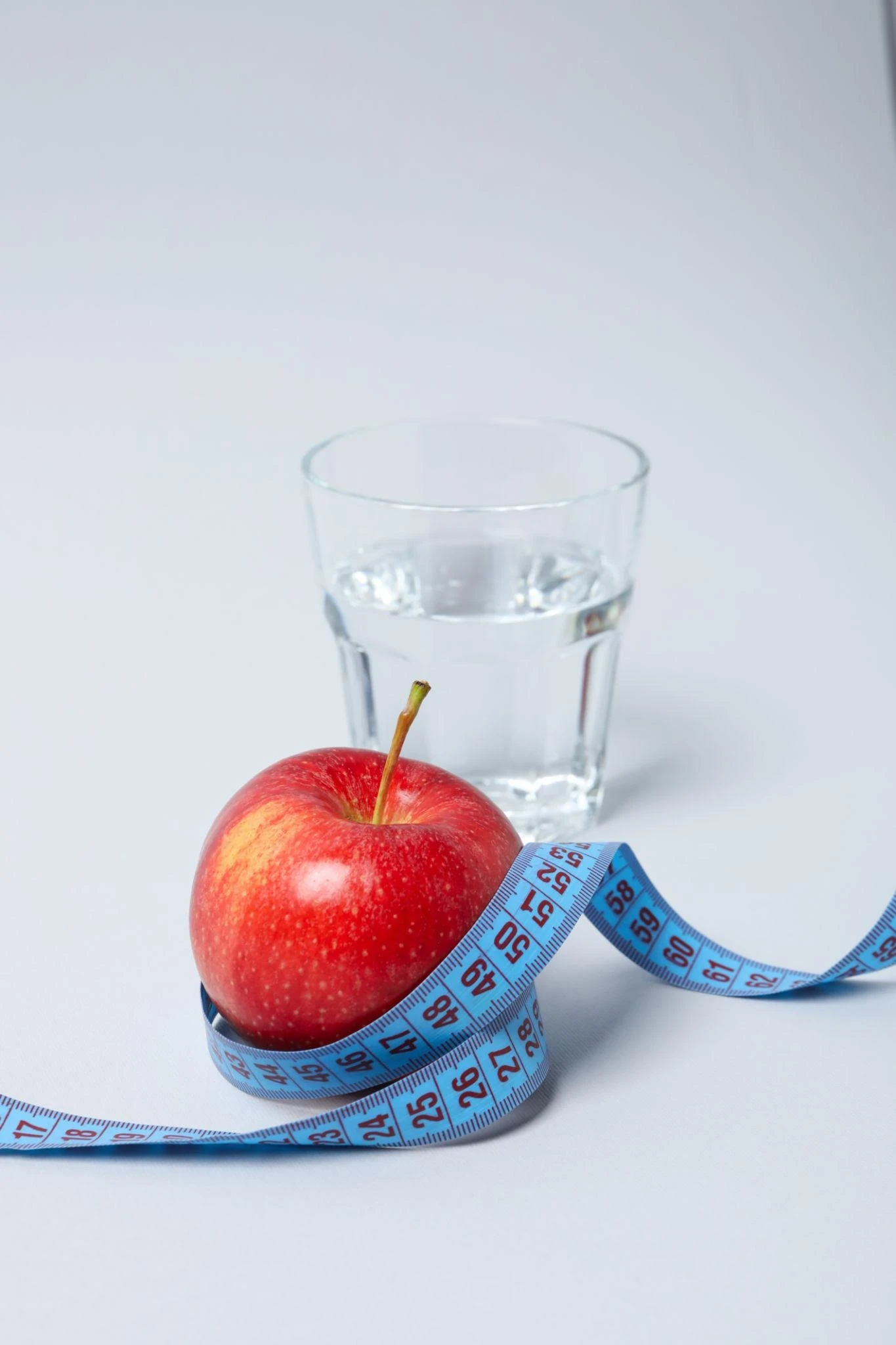
Final Verdict: Should You Drink Salt Water Before Bed?
The simple answer is no.
While hydration is important for overall health and can support your weight-loss journey, there is no evidence that drinking salt water before bed helps flush fat, reduce belly fat, or accelerate weight loss.
In some cases, it may actually cause unwanted side effects such as bloating, dehydration, elevated blood pressure, and disrupted sleep.
Instead of searching for quick fixes, focus on habits that are proven to work:
- Drink enough water throughout the day
- Eat nutritious foods
- Exercise regularly
- Get quality sleep
- Manage stress effectively
Sustainable weight loss doesn’t come from a miracle drink. It comes from consistent healthy habits practiced over time.
The next time you see a viral claim promising effortless overnight fat loss, remember: if it sounds too good to be true, it probably is.