
If you’ve followed the electric vehicle (EV) boom over the past few years, you’ve probably noticed how government incentives have helped make EVs more appealing. Tax breaks, rebates, and reduced registration fees have all played a big part in making EVs less costly up front. Now, picture a world where those incentives disappear overnight. Would people still be as excited about buying EVs, or would demand drop off sharply? Here’s an honest look at what could happen if policymakers pulled the plug on these perks.
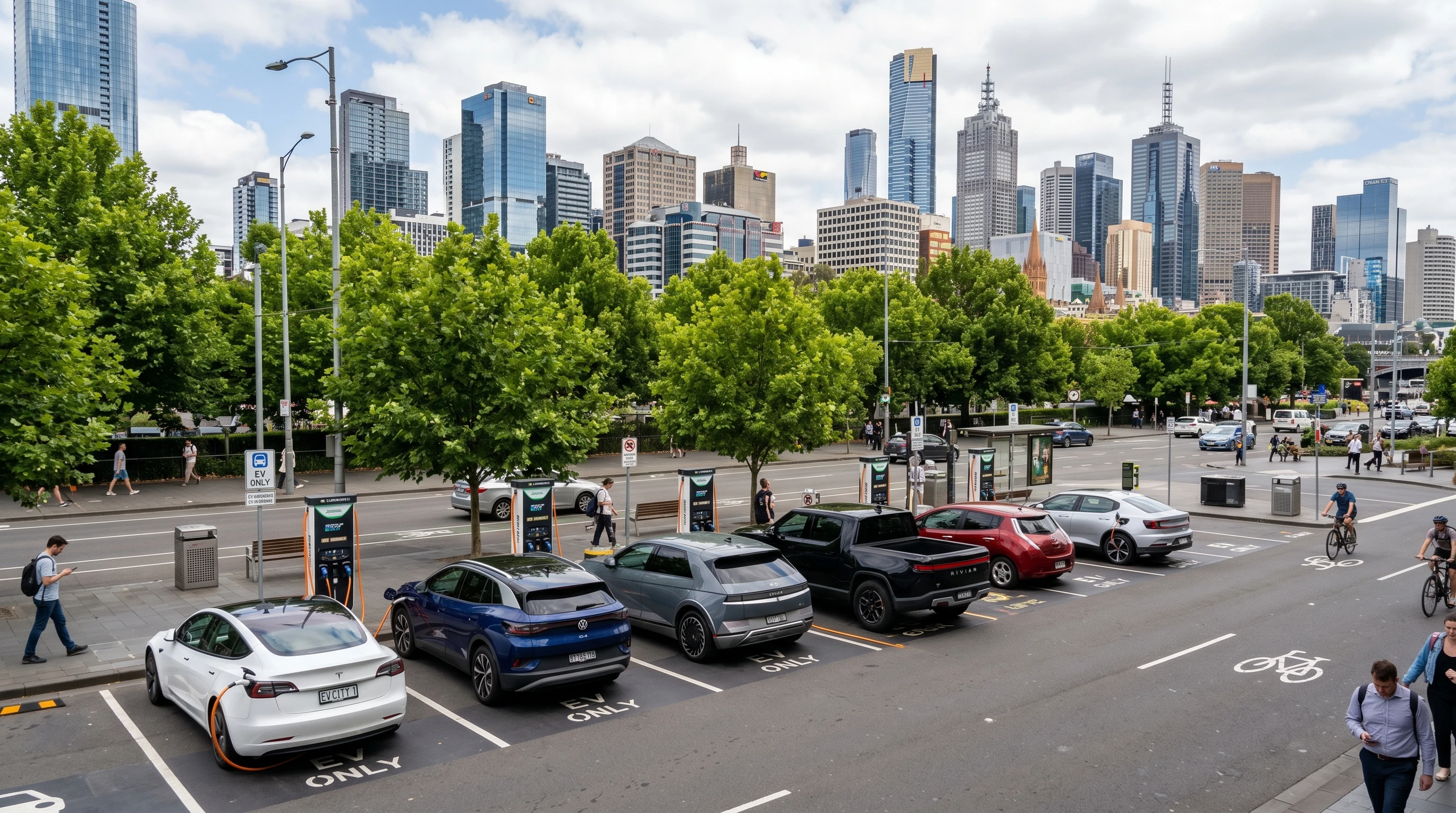
How Government Incentives Shape EV Popularity
Governments don’t hand out discounts for no reason. EV incentives are designed to encourage people to switch to cleaner cars faster, which can help cut down on air pollution and keep cities a bit quieter. These programs can take the sting out of a higher sticker price, which is still an issue for many would-be EV buyers.
In the US, for example, you might have spotted federal tax credits worth up to $7,500 on certain EV models. Some states throw in extra deals too, such as extra cash rebates, HOV lane access, or lower road taxes. Similar programs pop up in Europe, China, and other places around the world. The goal is pretty straightforward: make EVs less expensive and give buyers a little nudge so they’ll pick electric over gas-powered cars.
Tons of research shows that these incentives really work. After Norway dialed up its EV incentives, EV sales exploded. So much so that most new cars sold there these days are electric. California’s rebates helped that state lead the US in EV adoption. And for a lot of drivers, a rebate or tax credit can make all the difference between picking an EV or sticking with a traditional car.
What Happens If Incentives Go Away?
If governments stop handing out those juicy rebates and tax breaks, the big question is whether people will keep buying EVs. Here’s what I see happening if incentives dry up:
- Upfront Costs Rise: EVs can cost a fair bit more than gas vehicles before incentives. Without that financial boost, a lot of buyers will see a higher price tag and hesitate.
- Slowdown in Sales Growth: Many countries have watched sales spike right after new incentives roll out, then stall when they’re scaled back. China and the UK both saw short-term dips when government support waned.
- Affordability Concerns: Lower and middle income families might find EVs less within reach. The cost difference, even if shrinking over time, still matters to people watching their budget closely.
But there’s more to this story than just prices. A lot of people are interested in EVs for reasons besides saving money.
Drivers and Barriers to EV Popularity Without Incentives
Even without incentives, a bunch of other factors still steer EV buying habits. Some of them keep EVs popular, while others put on the brakes.
Positive Drivers
- Tech Improvements: Battery prices are dropping, which should knock down sticker prices. Plus, newer models can go further on a charge, making range anxiety less of a worry.
- Charging Infrastructure: Public and private investment is making it easier to plug in at home, at work, or on the road.
- Lower Running Costs: Electricity is often cheaper than gas, and EVs don’t need oil changes or exhaust repairs.
- Environmental Awareness: Folks who care about climate change sometimes pick EVs to reduce their carbon footprint, especially as carmakers put more effort into green branding.
Lingering Barriers
- Upfront Cost: Even as prices drop, EVs can still cost more than their gas-powered counterparts, especially for entry level models.
- Range and Charging Speed: For drivers who take long road trips or don’t have easy charging options, the math isn’t always appealing yet.
- Lack of Used Options: The used EV market is growing, but it’s not nearly as big or diverse as the used gasoline car market.
Is Price Really the Main Thing Holding EVs Back?
Cost is still on the minds of most car shoppers. According to surveys, when asked why they’re not buying EVs, a big chunk of drivers name cost, while others point to range anxiety, concerns about charging, or just not understanding how EVs work.
Without incentives, some buyers might just keep their current cars a little longer, waiting for the next price drop or a new incentive program. Others, especially those who value eco-friendliness or gadget appeal, might not be swayed by prices at all; they’ll buy the latest EV, incentives or not.
Some markets, like Norway or the Netherlands, show that after enough time with high adoption rates and charging infrastructure, EV sales can keep rising even as incentives are phased out. It just takes a while to hit that “tipping point.”
Looking at Countries That Ended EV Incentives
Real-world examples make things clearer. Here are a few:
- China: When China cut back its hugely popular subsidies in 2019, EV sales quickly dipped. After a few months, though, sales picked up again thanks to lower battery prices and a wave of new models.
- UK: When the UK stopped its plugin car grant in 2022, new EV sales growth slowed, but didn’t stop. The private sector picked up some of the slack, offering discounts to keep buyers interested, and public charging projects sped up.
- Norway: The country started quietly phasing out some incentives after seeing huge success. Sales stayed pretty strong, likely because buyers were already sold on the benefits, charging spots were everywhere, and the EV market was mature.
What Would Happen in the US or Other Developing Markets?
The United States, Canada, and some Asian countries still rely heavily on incentives to push first-time EV buyers onto the electric path. If incentives disappeared too soon, it might slow the growth of EV adoption, especially in places where public charging is still underdeveloped or where the new EV car market is just getting started.
For developing markets, where a car is a major investment and every dollar counts, removing government help could delay the switch to electric for years. Without affordable options and a solid charging network, lots of buyers simply won’t make the leap.
Can Technology Close the Gap?
Luckily, the tech side of EVs is on a fast track. Battery costs have dropped more than 80% over the past decade, and next gen batteries could make EVs even cheaper and quicker to charge. Automakers also keep rolling out new models in every style and price range. More competition should eventually nudge prices lower.
It’s not only the cars getting better; software, over the air updates, and better connected services are making things easier for owners, too. If these improvements keep coming, you could see EVs getting more popular even without government deals.
Ownership Costs: The Hidden Savings
People sometimes miss how much they save by owning an EV, even if the upfront cost is higher. I’m talking about things like cheaper “fuel” (charging with electricity), fewer trips to the mechanic, and no oil changes. Some utilities even offer special nighttime charging rates. Over five or ten years, those savings can add up enough to tip the scales for buyers deciding whether to go electric or stick with gasoline.
What Should Buyers Watch For If Incentives Are Gone?
There’s more to picking an EV than just looking for a deal. Here are a few useful things to keep in mind if you’re considering an EV purchase without any government support:
- Compare Lifetime Ownership Costs: Figure out how much you’ll save on gas, maintenance, and repairs. For some drivers, EVs are already the better deal over several years.
- Look for Manufacturer Promotions: Automakers sometimes offer their own rebates, price reductions, or low interest loans to help narrow the price gap.
- Consider Used or Certified PreOwned EVs: The preowned market is slowly expanding, making electric cars more affordable for more people.
- Plan for Charging: Make sure you’ll have a place to charge at home or work, or see if public charging networks suit your daily routine.
Advanced Tips To Help EVs Stay Popular Without Incentives
After the basics, a bit of strategy can make EVs more attractive for new and repeat buyers, even if government deals dry up:
Get Familiar With New Tech: From longer range batteries to fast charging options and smarter vehicle software, keeping up with what’s new lets you choose a car that best fits your needs; this might save you cash in the long run.
Talk To Other Owners: Checking out EV forums, attending local EV clubs or ride and drive events, or reading real world reviews is super useful if you want honest insights about costs, charging, or even resale value.
Keep an Eye on Local Utility Deals: Some power companies offer extra perks for EV owners, like bill credits, discounted charging, or free smart home charger installations.
Check for Employer Programs: Some workplaces are now offering EV charging or even small rebates for employees who buy electric, helping soften the blow of losing government incentives.
It’s smart to stack all these savings and benefits to get the best total value, even if the initial price feels steep. Being proactive and stacking perks from different sources can bridge some of the gaps left by missing incentives. Tools like online cost calculator apps can help you clearly see the long term picture and make smarter choices.
Where Could Incentives Stick Around?
It’s possible that some governments will keep a few perks on the table for longer, even if the main rebates are cut. Common examples include:
- Discounted or free road tolls
- Access to HOV lanes
- Cheaper city parking or free public charging
- Reduced annual registration fees
These smaller benefits can still encourage people to make the switch, especially city dwellers or daily commuters.
Other Approaches for Boosting EV Adoption Without Incentives
Countries and cities that want to reduce emissions still have tools other than direct cash rebates. A few options include:
- Expanding public charging networks, with faster and more reliable stations everywhere people park cars
- Investing in education campaigns so buyers get a clearer idea of how EVs work and what charging really costs
- Imposing stricter emissions rules, which push car companies to build more electric models or make gas vehicles less competitive over time
These “indirect” efforts, if done right, can keep EV sales rolling up and make the transition stick, even when incentives wind down. Events like community test drives and clean car expositions can raise awareness and connect potential buyers with real-world EV experiences. Sharing relatable stories about everyday drivers who switched to electric can help address doubts and nudge adoption even when the perks fade away.
Frequently Asked Questions
Wondering what it all means for your next car search? Here are a few of the most common questions I hear about buying EVs if government perks disappear:
Question: Will EVs ever be as cheap as gas cars without government discounts?
Answer: Many experts predict that EVs could match gas car prices by the middle of the 2020s, so pretty soon. Battery tech keeps improving, and as production scales up, prices may naturally drop. For some segments and brands, price parity has already arrived.
Question: If I skip incentives, will I pay for it later when reselling my EV?
Answer: The EV resale market is booming, especially for models with good battery health and brand reputation. Even if you don’t get an upfront rebate, solid used values can help balance out your total costs. To keep up resale value, consider battery maintenance and popular models with good owner support.
Question: Does phasing out incentives hurt EV technology?
Answer: Losing incentives might slow down early growth, but it also encourages automakers to cook up something new and drop prices. In the long run, this can actually help make EVs more mainstream, just at a steadier pace. Competition can push manufacturers to invest in faster charging, better range, and lower prices, bringing EVs closer to everyday consumers.
How I See the Future of EV Popularity Without Incentives
If government deals dry up, it won’t spell the end for EVs. It could mean a bumpier ride for the next few years, especially for first-time buyers or those on tight budgets. But as battery prices fall, charging networks expand, and more models hit the market, it’s pretty likely that the switch to electric will keep moving forward. Tech lovers, eco-conscious drivers, and even penny-pinchers can still find reasons to go electric without that extra government nudge. More awareness, new innovations, and expanding charging will make EVs more practical for all kinds of drivers, even as big discounts become a thing of the past.
Staying up to speed on all the latest EV news and trends helps you make better decisions if you’re thinking about your next car. Whether you’re buying tomorrow or just keeping an eye on how the market changes, knowing what’s happening with incentives, technology, and costs will help you feel confident whenever you make the move. The bottom line: electric vehicles are here to stay, with or without government incentives, and the future is looking brighter for those ready to take that next step.