
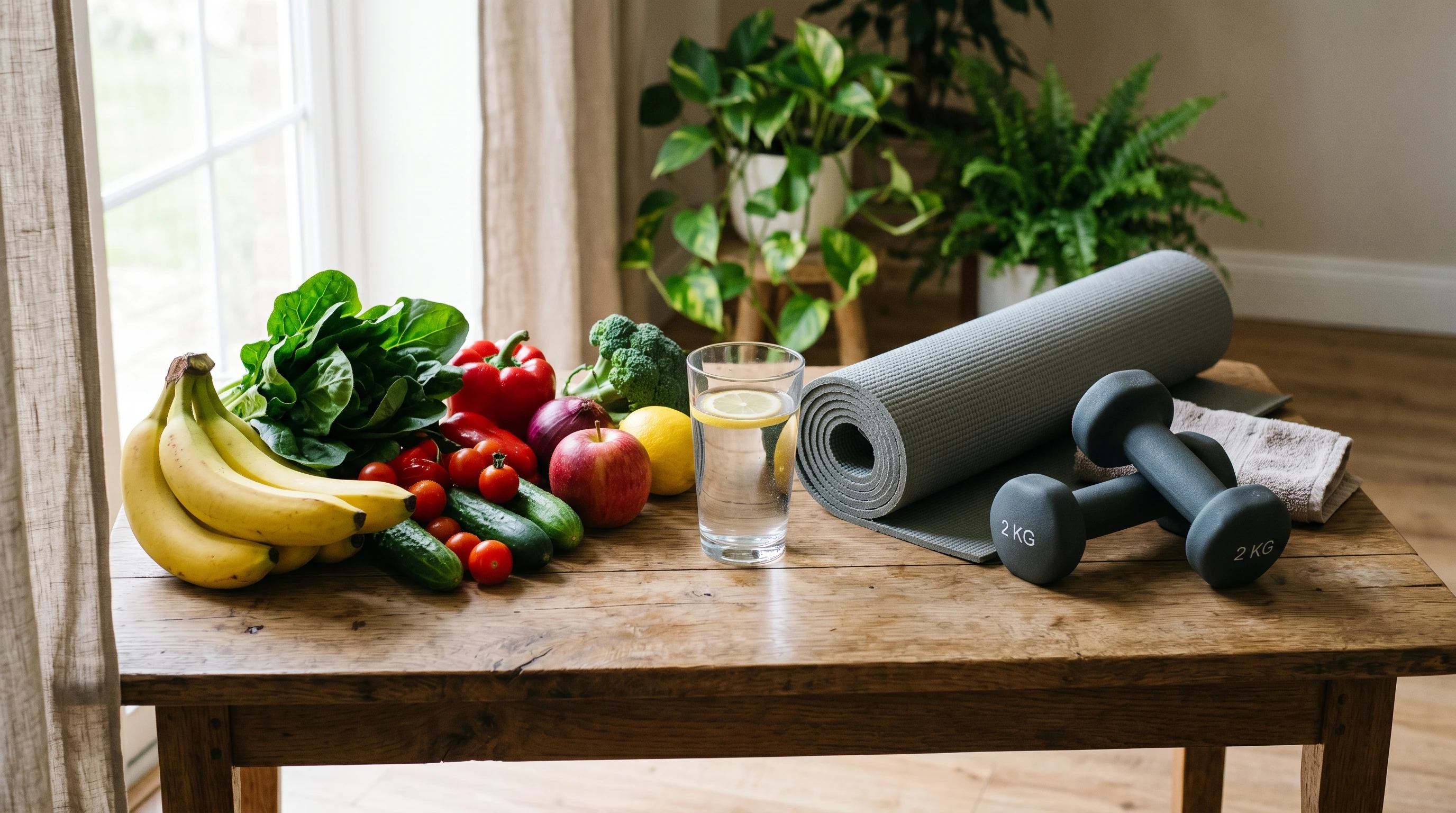
 Getting my health back in good condition took real effort and some practical changes in daily habits. Losing touch with a healthy lifestyle can happen fast, especially if stress, work, or life events get in the way. One day, I noticed I didn’t feel as energetic as before, and my routine felt off. After making small adjustments and sticking with them, I started seeing real results. If you want to regain your health and feel fit again, I’ve put together a straightforward guide with clear steps to help you make lasting changes. These steps cover what worked for me, backed by credible health advice.
Regaining your health is very much about taking small, steady actions rather than expecting overnight changes. When I followed these 10 steps, not only did my body feel better, but my mood improved, and I felt more in control. Each step is simple to start and can easily fit into most lifestyles.
Here’s how you can get your health back on track and ensure you feel fit every day.
Step 1: Get Honest About Your Current Health
The first thing I did was take a clear look at my habits and how they were affecting my health. Being honest with yourself is key. You need to know where you stand to make real improvements.
How to Assess Your Health Right Now:
- Write down what you eat and drink for a few days. Pay attention to patterns.
- Notice how much you move during the day, and track your steps if needed.
- Check your sleep habits. Are you sleeping enough? Is your sleep interrupted?
- Think about your stress levels and how often you feel anxious or tired.
- If you haven’t seen a doctor recently, book a basic health checkup. Simple tests can help you spot any hidden issues.
Once you understand your starting point, you can set realistic goals for what comes next. It’s a good idea to look back on your habits from the previous year and see which habits may have slipped. Taking a moment to really reflect can reveal where your focus needs to go first.
Step 2: Set Clear, Reachable Health Goals
Setting broad goals like “I want to be healthy” doesn’t help much in practice. I found it easier to stick with changes by setting specific, realistic goals. This keeps you motivated and lets you track your progress.
Examples of Good Health Goals:
- Walk 8,000 steps every day.
- Sleep at least 7–8 hours each night.
- Eat five servings of fruits and vegetables every day.
- Drink eight to ten cups of water daily.
- Cook at home five nights a week instead of eating out.
Start with two or three small goals. It’s better to do less and actually achieve it, rather than aiming too high and giving up. I started by focusing on my daily water intake and movement, then built up from there. If you’re having trouble picking your goals, take inspiration from others or find a health tracker app that offers popular challenges and ideas.
Step 3: Rebuild Your Eating Habits
Changing how I ate made a big difference in my energy and mood. Healthy eating is not about strict diets or cutting out everything fun. It’s about balance. I focus on whole, unprocessed foods and try to keep meals simple and flexible. Sharing meals with family also helped me stick to healthy choices and enjoy eating new dishes together.
Steps to Improve Eating Habits:
- Fill half your plate with fruits and vegetables at each meal.
- Choose whole grains over white bread, pasta, or rice.
- Include healthy sources of protein like fish, chicken, legumes, or eggs.
- Swap sugary drinks for water, herbal tea, or sparkling water with a twist of lemon.
- Prepare easy snacks like baby carrots, nuts, or plain yogurt so you’re not tempted by junk food.
If you eat out often, look for grilled instead of fried options, and pick lighter oil and vinegar dressings rather than creamy sauces. Making small swaps daily leads to bigger results over time. Cooking at home can also save money and give you control over what goes into your meals.
Step 4: Make Movement Part of Everyday Life
Exercise doesn’t mean hours at the gym. I got results faster by adding more movement into everyday routines. Short bursts of activity and regular walks do more for my health than I expected at first. Committing to a simple movement challenge, such as standing up and stretching every hour, can help prevent stiffness and clear your mind.
Easy Ways to Add Activity:
- Take a short walk before or after meals.
- Use the stairs instead of the elevator.
- Do ten minutes of stretching in the morning or before bed.
- Try simple home workouts with bodyweight exercises like squats and pushups.
- Find an activity you genuinely enjoy, like biking, gardening, or dancing.
I aim for at least 150 minutes of moderate exercise each week, as recommended by health experts. Even light activity helps. Consistency matters more than intensity when you’re getting started. If you want some social connection, try joining a walking group or local sports club for friendly motivation.
Step 5: Prioritize Sleep and Create Bedtime Rituals
Sleep often gets pushed aside, but it’s really important for your overall health. I didn’t realize how tired I actually was until I focused on getting good sleep each night. Better sleep helped me think clearer, improved my mood, and even made sticking with exercise and healthy food easier.
How to Improve Your Sleep Habits:
- Keep a consistent bedtime and wake-up time, even on weekends.
- Avoid screens at least 30 minutes before bed, since blue light can mess with your sleep hormones.
- Create a simple wind-down routine, like reading or taking a warm shower.
- Limit caffeine after lunchtime.
- Make your bedroom dark, cool, and quiet for the best rest.
If you struggle with sleep, small changes really do help. It took me a few weeks to get used to a new bedtime, but the payoff was worth it. Try keeping a sleep diary to spot patterns that might be affecting your rest, and don’t hesitate to talk to your doctor if you think stress or anxiety is keeping you up.
Step 6: Manage Stress in Practical Ways
Stress affects your body and mind. When I ignored my stress, I found myself turning to less healthy habits and felt even worse. Addressing stress directly, even in small ways, changed my day-to-day health for the better.
Simple Stress-Reduction Ideas:
- Take a few minutes every day to breathe deeply or practice mindfulness. Free apps and simple techniques work well.
- Simplify your calendar by saying no to extra commitments if you feel overwhelmed.
- Talk to someone you trust about your worries. Even just getting things off your chest helps.
- Spend at least 15 minutes outside daily. Natural light and fresh air help lift your mood.
- Try light exercise, like walking or yoga, especially during stressful times.
Everyone’s stress triggers are different, so find what helps you feel calm and try to make it a regular habit. Journaling, meditation, or simply listening to music can help you handle stress better over time.
Step 7: Get Regular Health Checkups and Screenings
Visits to the doctor are not just for when you feel sick. When I started including regular checkups, I caught small issues before they became big problems. Routine screenings are an important part of keeping my health on track.
Common Health Checks to Discuss with Your Doctor:
- Blood pressure and cholesterol tests.
- Blood sugar levels, especially if you have a family history of diabetes.
- Annual physical exams and conversations about your mental health.
- Screenings for cancers based on your age and risk factors.
- Vaccinations and routine immunizations.
Even if you feel well, regular checkups give you peace of mind and can help avoid future problems. Keep a record of your appointments and test results in one place to easily reference your health history. If medical visits are challenging to schedule, look for community health clinics or ask your workplace if they offer health screenings.
Step 8: Build a Support Network for Healthy Changes
Trying to improve health completely on your own can feel isolating. When I asked friends or family to join me, whether it was a walk, a healthy dinner, or a fitness challenge, I stuck with my habits much longer. Sharing your ride toward a better lifestyle with others brings a sense of fun and accountability to the process.
Ways to Find and Give Support:
- Invite a friend or family member to join you in healthy activities.
- Join local groups, clubs, or online communities with similar health goals.
- Share your progress, even if it’s just with one person. It keeps you accountable.
- Look for free or low-cost health workshops, exercise classes, or cooking groups.
- Use social media responsibly to track your progress, share healthy recipes, or post activity streaks.
A little encouragement goes a long way. I found inspiration from others’ successes and learned new tips that kept me motivated. You could even organize a healthy recipe exchange or collective walk with neighbors to bring together a circle of support.
Step 9: Address Bad Habits Without Guilt
Everyone slips up with unhealthy choices now and then. I learned that feeling guilty only made it harder to get back on track. Instead, I started being gentle with myself and looking for ways to replace bad habits, step by step. Being kind to yourself is vital whenever you want to make new changes last.
Healthy Swaps for Common Bad Habits:
- Swap latenight snacks for herbal tea or fruit.
- Trade smoking breaks for quick walks or deep breathing sessions.
- Set a timer on social media apps to reduce mindless scrolling.
- Plan one “fun” meal each week to prevent the feeling of total restriction.
- If you drink alcohol, try nonalcoholic alternatives, or keep to set days for drinking.
If I slipped up, I reminded myself it was just one moment, not a full setback. Progress always matters more than perfection. Celebrate the days you do well and learn from days that don’t go as planned. Over time, you’ll notice the healthy swaps come more naturally.
Step 10: Track Progress and Adjust as Needed
Tracking my progress in small ways helped me see results and kept me motivated. I used a notebook and my phone to keep notes about my habits, but any method works if you keep it simple. Consider using a calendar or visual tracker where you can mark off achievements or milestones, giving you a boost when you see your streaks continue.
How to Track and Adjust Progress:
- Write down your daily steps, water intake, or meals in a journal or app.
- Weigh yourself or measure your waist once a week if it fits your goals (don’t focus on the number, just look for trends).
- Notice changes in energy, mood, and sleep, not just physical changes.
- Set reminders to check in on your goals every month. If something isn’t working, try a different approach.
- Reward yourself with a fun activity, new workout gear, or a healthy treat when you hit milestones.
Progress isn’t always obvious at first. Keeping track of small wins makes it easier to stick with your habits for the long run. If you hit a plateau, mix up your routine or ask for advice from a health professional or friend who’s been through a similar adventure.
Common Questions and Practical Troubleshooting
What if I don’t have time for all these changes?
I started with just one or two habits for a few weeks. Even small actions, like a short walk or adding an extra glass of water, can make a noticeable difference. Once I felt comfortable, I added more changes. Remember, progress is much more about daily choices than about finding extra hours in your day.
How do I stay motivated when progress is slow?
- Focus on non-scale victories, like having more energy or sleeping better.
- Look at your goals every morning to remind yourself why you started.
- Tell a friend about your successes. Sharing feels good and keeps you going.
Also, consider rewarding yourself for milestones that don’t involve numbers on a scale, such as treating yourself to a movie night or a new book when you hit a goal.
What if my friends or family don’t support my healthy changes?
I learned to explain why my health matters to me and asked for understanding. Sometimes people join in later when they see your positive results. If needed, I found outside support from online groups or classes. Connecting with people who share your goals means you’re more likely to stick with your new habits, even if your current circle isn’t on board right away.
Staying Consistent and Looking Ahead
Getting your health back doesn’t have to be overwhelming. I made the biggest strides by focusing on consistency, doing small things each day, not just big changes now and then. Adjusting my habits as life changed helped me avoid frustration. Each healthy step adds up over time, and even on tough days, showing up for yourself matters.
Your Simple Action Plan:
- Pick one small health habit for tomorrow. Maybe a morning walk or drinking more water.
- Write down your top health goal and the reason it matters to you.
- Ask a friend to join you or check in on your progress.
Every effort counts. By following these steps, you build a foundation for lifelong health. Your energy, mood, and fitness will thank you, even if the changes feel small at first. Keep looking ahead and make adjustments as you go; your health adventure is always a work in progress!